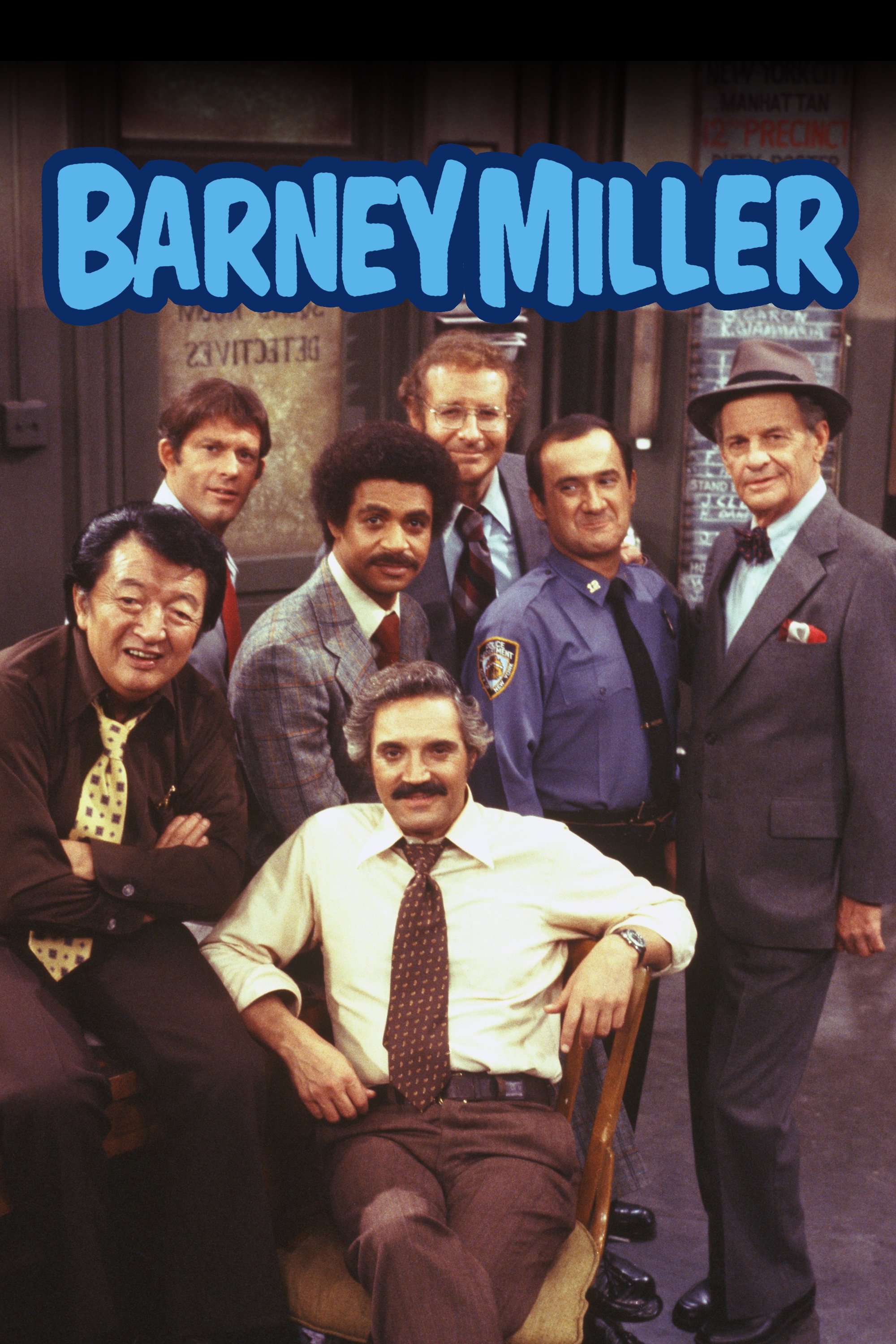
Barney Miller (1975) interactive character relationship network and AI-powered story timeline. Explore the connections, alliances, and conflicts between characters across the narrative arc.
The series follows a New York precinct captain as professional crises, personnel changes, institutional scrutiny, and personal loss gradually transform a functioning squad room into a remembered community.
"Lt. Ben Scanlon first appears in Season 2, later works as an Internal Affairs officer, investigates the precinct, uses a voice analyzer, and returns...
"Carl Levitt first appears during the Season 3 quarantine storyline and becomes regularly featured; Barney later works with him during the strike, eva...
"Arnold Ripner appears in cases involving the precinct, including the Season 2 quarantine-related legal pressure, the Season 4 lawsuit threat, and lat...
"Nick Yemana is part of Barney Miller's detective squad across the series, and the Season 5 memorial episode explicitly centers on his departure and d...
"Scanlon investigates the precinct in Seasons 4-6, while Levitt is a regular officer during those investigations and is later involved in medal-relate...
"Marty Morrison first appears in Season 1 and returns during the Season 3 quarantine and asylum-related stories."
"Marty is present during the Season 3 quarantine storyline, where Carl Levitt is also first introduced and present in the precinct."
"Bernice appears in the Season 2 home-life story and returns in the Season 3 group-home storyline connected with the precinct's wider social circle."
Rating: 7.3/10 (62 votes)
The first season presents Barney as a calm captain managing hostage crises, corruption concerns, and unpredictable cases. The precinct is established as both a workplace and a pressure chamber.
The squad faces dynamite threats, layoffs, weather emergencies, and labor conflict. Departmental hierarchy becomes more visible as new oversight figures enter the precinct's orbit.
Quarantine confines officers and visitors together, exposing tensions and unexpected admissions. The season ends with a strike that tests whether the precinct can function without its full detective staff.
Retirement, surveillance, Internal Affairs pressure, and an eviction dispute challenge the meaning of police authority. Barney increasingly defines leadership through judgment and conscience rather than simple obedience.
The squad faces racial profiling, professional accusations, personal separation, and the death of a long-standing detective. The memorial episode turns the precinct into a site of collective remembrance.
Internal investigations, arrests of officers, uniform disputes, and recognition claims test the limits of professional identity. The squad remains functional but increasingly aware of institutional vulnerability.
Homicide specialization raises the seriousness of the work, while contempt proceedings, libel disputes, and career alternatives expose the officers' private pressures. Barney's authority is tested both in court and within the squad.
The final season combines personal revelations, career decisions, and the discovery of the precinct's historical significance. The sale of the station transforms the long-running workplace into a memory as the squad disperses.
Plot analysis generated from content on Wikipedia, licensed under CC BY-SA 4.0.
Related entry on Wikidata (Q808487), public domain (CC0).