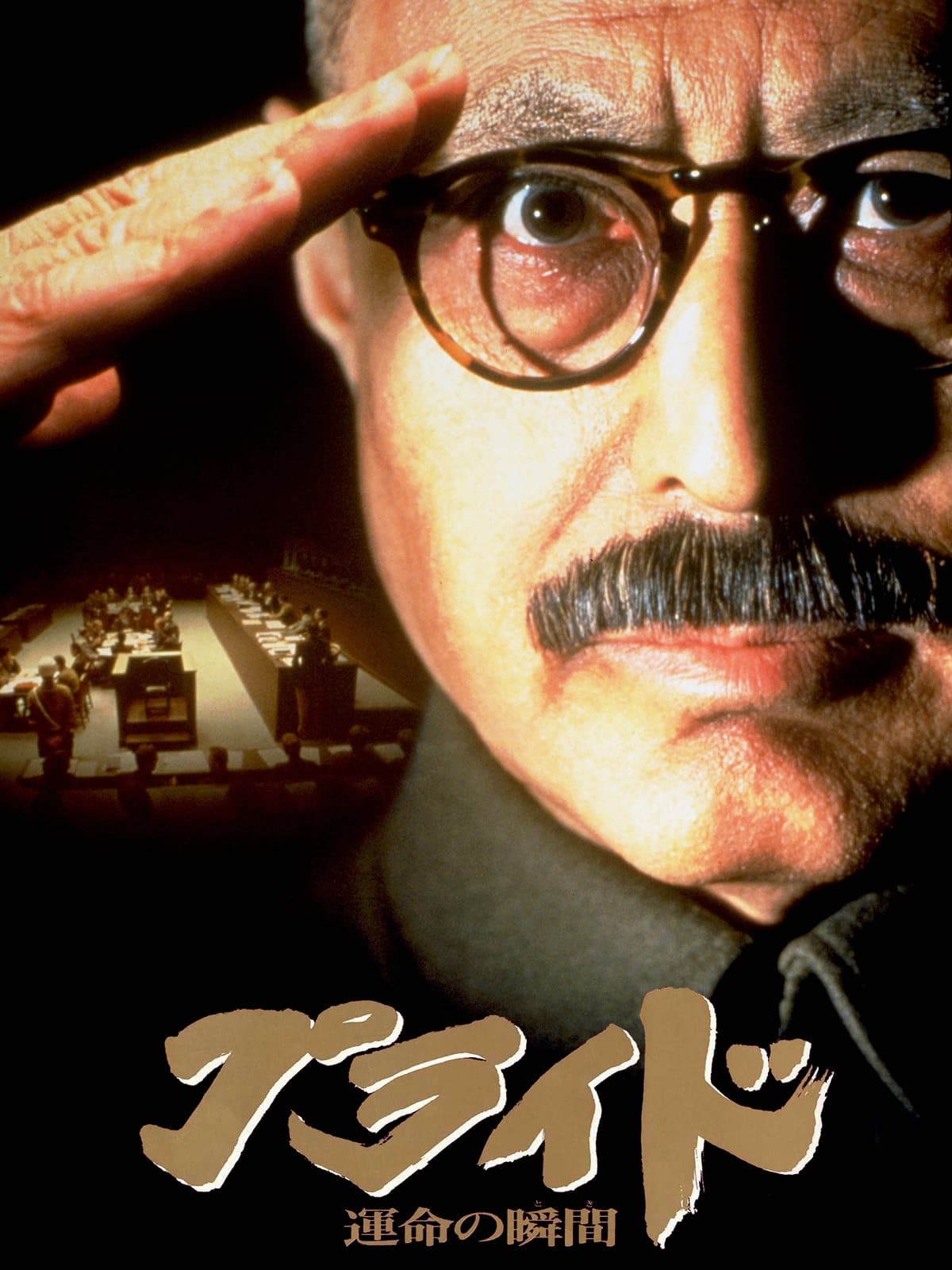
Story Structure — 4 Plot Phases
War Crimes & Tribunal Setup
The narrative opens with the aftermath of WWII, highlighting Japan's surrender and the Allied decision to prosecute war criminals. The International Military Tribunal for the Far East is established in Tokyo to address Class-A crimes.
Key Events
-
Japanese Attack on US — Japan launches surprise attack, drawing US into WWII.
Location: Pacific Theater
-
Japan Surrenders — Japan capitulates after four years of devastating war.
Location: Global
-
Allied Victory & Trials Begin — Victorious allies prepare to prosecute Japanese war criminals.
Location: International Courts
-
IMTFE Convened — International Military Tribunal for the Far East officially opens.
Location: Tokyo
-
Class-A Charges Filed — 28 individuals formally charged with Class-A war crimes.
Location: Courtroom
Courtroom Confrontations
Prosecution and defense teams engage in intense legal battles. Defendants plead not guilty while challenging the moral authority of the victors, citing atomic bombings as counter-arguments.
Key Events
-
Class-A Charges Filed — 28 individuals formally charged with Class-A war crimes.
Location: Courtroom
-
Keenan Leads Prosecution — Joseph B. Keenan takes charge of the prosecution team.
Location: Prosecution Office
-
International Judges Panel — International judges, including Sir William Webb, assemble.
Location: Courtroom
-
Not Guilty Pleas — All twenty-eight defendants enter not guilty pleas.
Location: Courtroom
-
Tojo Challenges Hypocrisy — Tojo argues American hypocrisy regarding atomic bombings.
Location: Courtroom
-
Atomic Bombings Referenced — Defense cites Hiroshima and Nagasaki as counter-arguments.
Location: Courtroom
-
Victors Conduct Trials — Prosecution notes victors are judging the defeated.
Location: Courtroom
-
Unfair Trial Conditions — Defendants face structural disadvantages in proceedings.
Location: Courtroom
-
Prosecution Strategy Formed — Keenan outlines legal strategy for war crimes.
Location: Prosecution Office
-
Defense Arguments Presented — Defense team presents counter-narratives and moral appeals.
Location: Courtroom
Legal Deliberations & Verdict
The trial exposes procedural flaws and false testimony, yet proceeds to a final judgment. The court delivers its verdict on November 12, 1948, determining guilt and sentencing.
Key Events
-
Unfair Trial Conditions — Defendants face structural disadvantages in proceedings.
Location: Courtroom
-
False Testimony Exposed — Some prosecution witnesses are found to give false testimony.
Location: Courtroom
-
Legal Proceedings Conclude — Final arguments and deliberations wrap up.
Location: Courtroom
-
Verdict Delivered — Official verdict announced on November 12, 1948.
Location: Courtroom
-
Death Sentences Pronounced — Tojo and six others sentenced to hang for war roles.
Location: Courtroom
Execution & Historical Aftermath
Death sentences are carried out in late December 1948, concluding the legal proceedings. The film closes by reflecting on the trial's enduring impact on international justice and historical memory.
Key Events
-
Death Sentences Pronounced — Tojo and six others sentenced to hang for war roles.
Location: Courtroom
-
Hanging Sentence Executed — Death sentences carried out on December 23, 1948.
Location: Execution Grounds
-
Historical Record Closed — Trial concludes, leaving lasting historical impact.
Location: Global