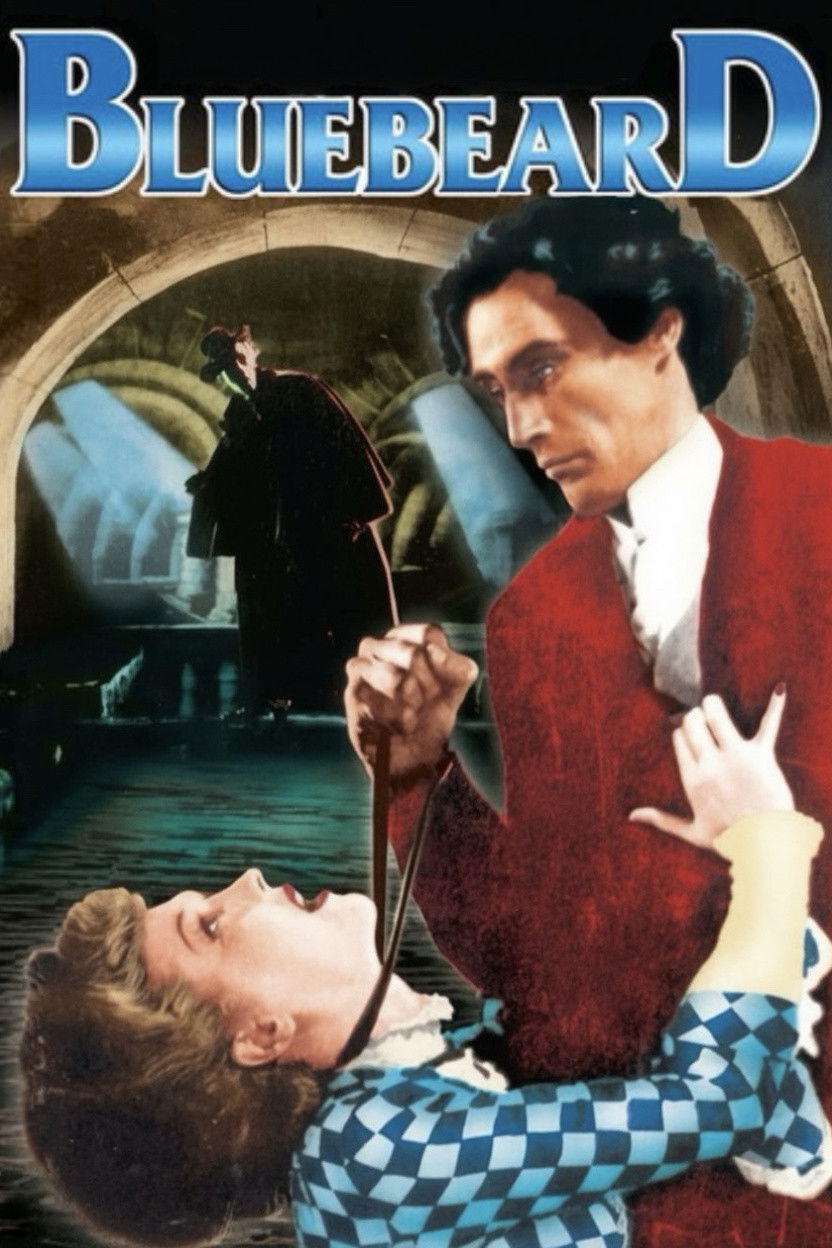
Bluebeard (1944) character relationship network mapped with AI analysis. Explore the connections, alliances, and conflicts between characters.
Puppeteer and painter secretly responsible for the Bluebeard murders. Strangles models he paints due to a psychological compulsion stemming from a past trauma. Kills his lover Renee, undercover agent...
A Parisian modiste who designs costumes for Morrell's puppets and develops a romantic attraction to him. Recognizes a murder weapon cravat, leading Morrell to confess his crimes. Her confrontation tri...
A Sûreté detective investigating the Bluebeard murders. Recruits undercover agent Francine and later uses the recovered cravat to identify Lucille as a witness, ordering her surveillance which ultimat...
An art dealer who knows Morrell is a serial killer but enables his work for financial gain. Sells a controversial portrait to a duke, sparking police suspicion, and pressures Morrell for a final piece...
An undercover Sûreté agent and Lucille's sister. Sent to paint a portrait to identify the killer but recognizes Morrell from a prior meeting. He murders her, and the cravat left behind becomes crucial...
Morrell's lover and a performer in his puppet show. Her jealousy and questions about previous models trigger Morrell to strangle her and dispose of her body in the Seine, establishing his killing patt...
Family, romantic, and professional connections based on plot evidence.
Lamarte sells Morrell's paintings and pressures him into producing one final picture for financial independence.
Inspector Lefevre of the Sûreté calls in Francine as one of his best undercover agents.
Renee performs in Morrell's puppet show and is described as his lover.
Lucille and Morrell are attracted to each other, and she accepts a commission to design costumes for his puppets.
The plot identifies Francine as Lucille's sister when Inspector Lefevre recruits her as an undercover agent.
Alliances, conflicts, and narrative interactions that evolve throughout the story.
Lefevre shows Lucille the cravat recovered after Francine's murder, and she identifies it as Morrell's because she had mended it.
Lamarte's sale of Morrell's portrait causes a policeman to recognize a victim, prompting police suspicion and investigation.
Lefevre investigates the Bluebeard murders and later has Lucille followed, leading police to Morrell during the final attack.
Francine recognizes Morrell after meeting him at Lucille's apartment, and Morrell kills her because he believes she and her companion work for the pol...
A painter's traumatic murderous compulsion is exposed when love, evidence, and police investigation converge.
Directed by Edgar G. Ulmer
Bluebeard (1944) · 5.5/10 · crime, horror, thriller
Plot analysis generated from content on Wikipedia, licensed under CC BY-SA 4.0.
Related entry on Wikidata (Q2884134), public domain (CC0).