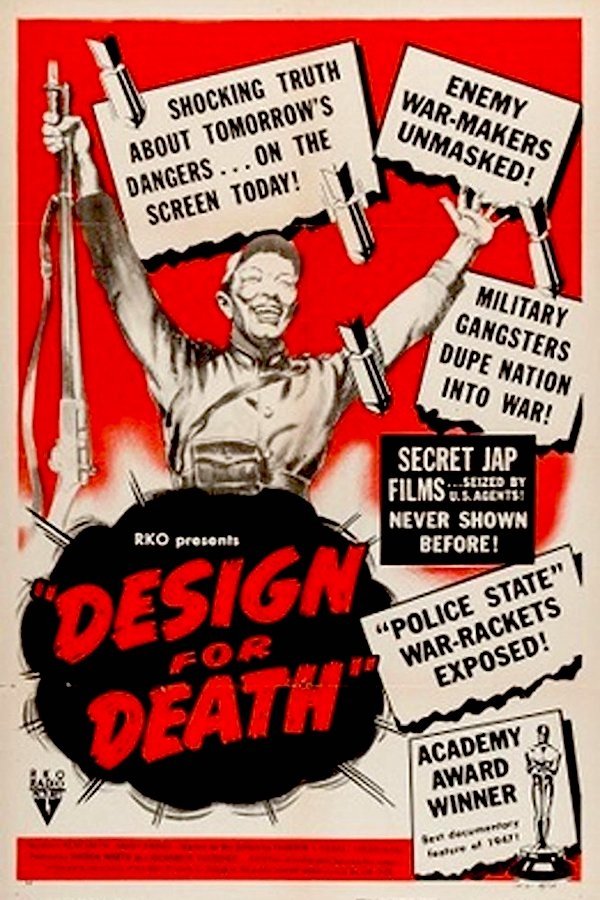
Plot Analysis Summary
Traces the production, critical reception, and historical legacy of the 1947 Academy Award-winning documentary.
Story Structure — 4 Plot Phases
Origins and Conception
The narrative begins with the creation of the 1945 U.S. Army training film Our Job in Japan. Peter Rathvon discovers this material during his military service and decides to adapt it into a commercial documentary for RKO. The original writing and editing team is brought back to develop the new project.
Key Events
-
Army Training Film Creation — U.S. Army produces Our Job in Japan
Location: Japan Occupation Zone
-
Rathvon Discovers Film — Rathvon views training film during service
Location: Military Base
-
RKO Commercial Decision — Rathvon proposes commercial adaptation
Location: RKO Studios
-
Original Crew Reassignment — Rathvon hires original writer and editor
Location: RKO Studios
-
Seuss Joins Writing Team — Dr. Seuss and wife co-author the script
Location: Writing Room
-
Dual Editing Process — Williams edits both original and new versions
Location: Editing Suite
Creative Development and Shifts
Theodor S. Geisel and his wife Helen Palmer Geisel join the writing team to co-author the script. Elmo Williams handles editing for both the original and new versions, while Sid Rogell eventually replaces Rathvon as producer. The team finalizes the documentary through rigorous post-production.
Key Events
-
Dual Editing Process — Williams edits both original and new versions
Location: Editing Suite
-
Producer Transition — Rogell replaces Rathvon as producer
Location: RKO Studios
-
Final Post-Production — Rogell and Williams finalize the documentary
Location: RKO Studios
-
January 1948 Release — Film receives wide commercial release
Location: Cinemas Nationwide
-
Daily Variety Acclaim — Praised as fabulous proportions presentation
Location: New York
-
New York Times Critique — Crowther notes valid message but ponderous narration
Location: New York
Release and Critical Reception
The film receives a wide release in January 1948, drawing mixed but notable critical attention. Daily Variety praises its scale, while Bosley Crowther acknowledges its valid anti-authoritarian message despite criticizing the narration. The documentary successfully communicates its core warning about concentrated control.
Key Events
-
New York Times Critique — Crowther notes valid message but ponderous narration
Location: New York
-
Anti-Authoritarian Theme — Film warns against concentrated control
Location: Screen
-
Williams Memoir Claims — Williams claims near-total creative control
Location: Publishing House
-
Credit Controversy — Nominal credits for Fleischer and Warth questioned
Location: Hollywood
-
Academy Award Nomination — Film recognized for documentary excellence
Location: Hollywood
-
Award Ceremony Win — Rogell, Fleischer, and Warth win Best Documentary
Location: Award Venue
Legacy and Historical Rediscovery
The documentary wins the Academy Award for Best Documentary Feature, though memoirs later spark debates over creative credits. Copies become extremely rare, leading Geisel to believe they were destroyed. The Academy eventually sponsors a 2005 screening, securing the film's archival preservation and historical significance.
Key Events
-
Award Ceremony Win — Rogell, Fleischer, and Warth win Best Documentary
Location: Award Venue
-
Film Rarity Emerges — Copies become extremely scarce over time
Location: Film Vaults
-
Geisel Assumes Destruction — Geisel believes all copies were destroyed
Location: Personal Archives
-
2005 Academy Screening — Academy sponsors special screening event
Location: Academy Theater
-
Archival Preservation — Parts included in modern documentary archives
Location: Preservation Lab
-
Historical Legacy Secured — Film cemented as significant wartime analysis
Location: Global Archives