Plot Analysis Summary
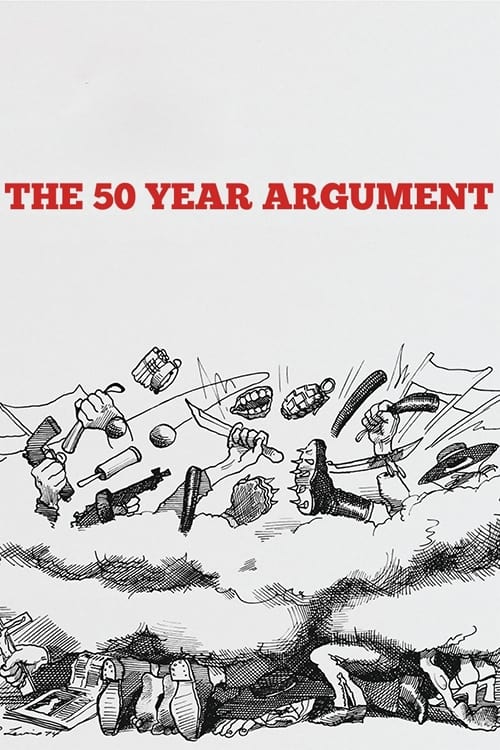
A documentary survey of the New York Review of Books, its history, contributors, articles, and influence on public debate.
Story Structure — 4 Plot Phases
Origins in a Turbulent Era
The documentary begins with the Review's emergence amid 1960s writers' strikes and the Civil Rights Movement. It frames the publication as an outlet willing to bring underreported stories into view.
Key Events
-
The Review's Fifty-Year Scope — The documentary frames its subject as the New York Review of Books across fifty years.
-
Origins Amid 1960s Strikes — The historical account begins with the Review's emergence during writers' strikes in the 1960s.
-
Civil Rights Era Context — The film places the publication's emergence alongside the Civil Rights Movement.
-
A Publication Challenges Mainstream — The title refers to the Review's history of exposing underreported stories and challenging mainstream accounts.
The Editorial Voice
The account centers on editor Robert Silvers and the publication's notable contributors and articles. Contemporary interviews and archival footage create a layered portrait of its history.
Key Events
-
Robert Silvers Anchors the Story — The documentary centers its account on the Review's editor, described as having old-world charm.
-
Contributors and Articles — The film focuses on notable contributors and articles published by the Review.
-
Interviews Meet Archive Footage — Contemporary interviews are interwoven with archival footage in the film's account.
-
Articles Gain Visual Context — Visual material accompanies the texts of articles discussed in the documentary.
Ideas in Public Argument
Authors read notable articles, while visual material helps illuminate their arguments. Intellectual clashes and the Review's interest in human rights become central themes.
Key Events
-
Articles Gain Visual Context — Visual material accompanies the texts of articles discussed in the documentary.
-
Authors Read Their Work — The film has authors read many of the Review's notable articles.
-
Intellectual Clashes Emerge — The documentary highlights clashes of intellect among the ideas and articles it presents.
-
Human Rights Coverage — The account notes the Review's broad interest in human rights and its in-depth coverage of newsworthy events.
From Uprisings to Lasting Influence
The historical journey reaches the Arab Spring uprisings in Egypt, Libya, and Syria, alongside reflections on the film's treatment of the Review's politics. It concludes by emphasizing the power of reviews and ideas to provoke dialogue and social or political change.
Key Events
-
Arab Spring Uprisings — The historical survey reaches uprisings in Egypt, Libya, and Syria.
-
A Critique of Political Depth — The referenced criticism says the film does not probe the Review's political character deeply and suggests dissenting voices could add grit.
-
Ideas Open Public Dialogue — The film presents the Review's ideas as capable of opening dialogue toward social and political change.
-
Silvers on the Power of Reviews — Silvers describes book reviews as potentially intense, revelatory, and powerful.