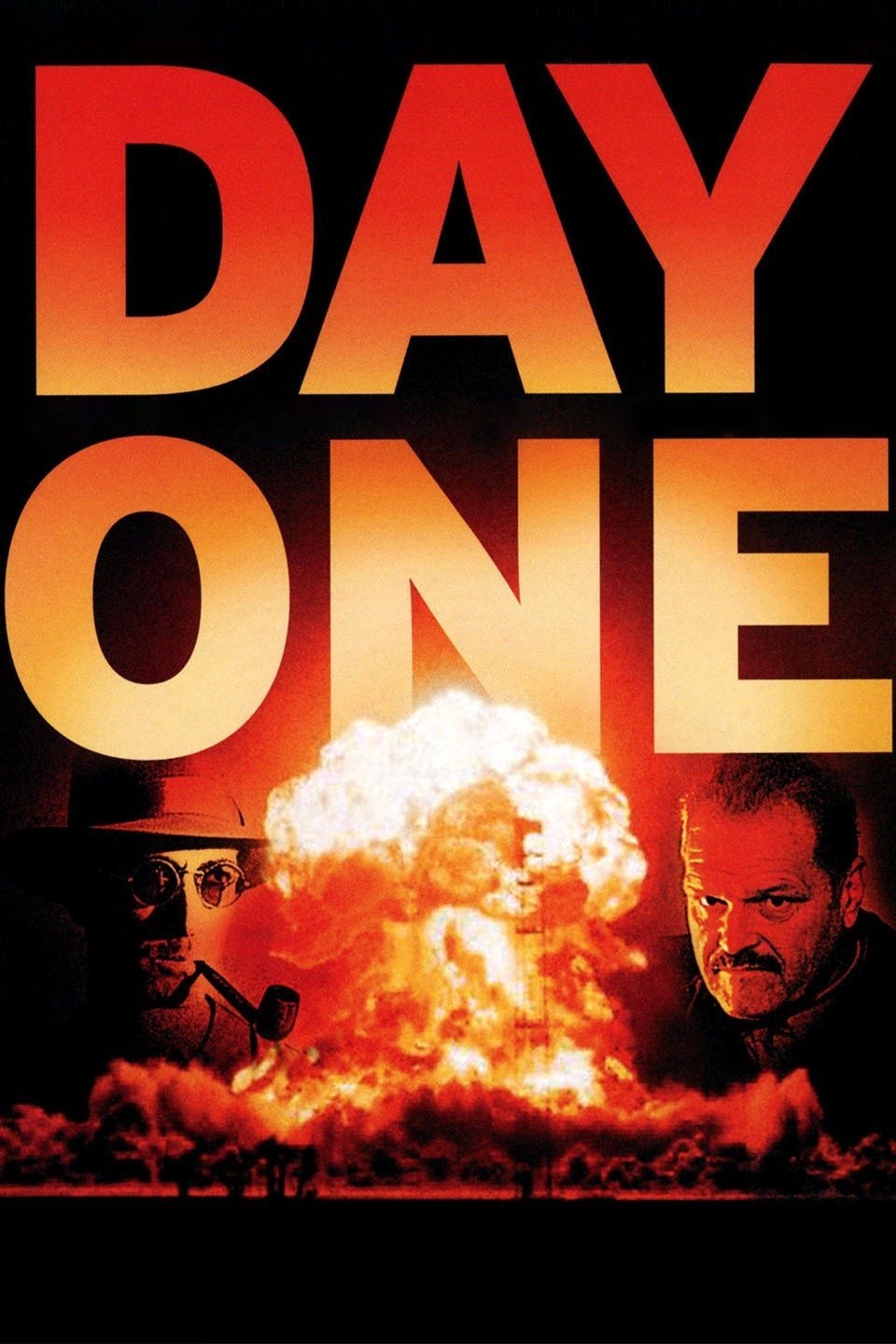
Story Structure — 4 Plot Phases
Flight and First Rejection
Leo Szilard escapes Europe and fails to convince UK officials, prompting his move to the US. He begins lobbying American leaders while navigating the early stages of wartime scientific advocacy.
Key Events
-
Szilard Flees Germany — Leo Szilard escapes Germany on the last train as WWII escalates. Characters: Leo Szilard
Location: Train Station, Germany
-
UK Military Rejection — Szilard pitches the nuclear bomb concept to UK officials, who file and ignore it. Characters: Leo Szilard
Location: British Military Office
-
Arrival in the US — Szilard arrives in America and begins lobbying the federal government. Characters: Leo Szilard
Location: United States
-
Einstein's Involvement — Szilard enlists Albert Einstein to help persuade US leaders to build the bomb. Characters: Leo Szilard
Location: US Government Office
The Manhattan Initiative
Szilard leverages Einstein to secure US backing, leading to Oppenheimer's appointment and the bomb's construction. The project gains momentum as scientists mobilize under federal authority.
Key Events
-
Einstein's Involvement — Szilard enlists Albert Einstein to help persuade US leaders to build the bomb. Characters: Leo Szilard
Location: US Government Office
-
Manhattan Project Launch — The US government approves the atomic bomb project after a year of persuasion. Characters: J. Robert Oppenheimer, Leo Szilard
Location: Federal Government
-
Oppenheimer Appointed — General Groves selects Oppenheimer to head the Los Alamos Laboratory. Characters: J. Robert Oppenheimer
Location: Los Alamos, New Mexico
-
Bomb Construction Begins — Scientists work intensively to construct the atomic weapon. Characters: J. Robert Oppenheimer
Location: Los Alamos Laboratory
-
War Nears End — As WWII concludes, Szilard experiences moral doubts about atomic weapons. Characters: Leo Szilard
Location: United States
Moral Reckoning and Suppression
With Germany defeated, Szilard's doubts grow as he organizes a suppressed scientific petition against the weapon. The military intercepts anti-bomb efforts while development continues.
Key Events
-
War Nears End — As WWII concludes, Szilard experiences moral doubts about atomic weapons. Characters: Leo Szilard
Location: United States
-
German Scientists Interrogated — Allies discover German scientists failed to build a bomb due to poor cooperation. Characters: Leo Szilard
Location: Allied Interrogation Center
-
Project Continues — Despite the lost original justification, bomb development proceeds. Characters: J. Robert Oppenheimer
Location: Los Alamos Laboratory
-
Anti-Bomb Letter Drafted — Szilard convinces Einstein to co-author a letter urging Truman to halt the bomb. Characters: Leo Szilard
Location: United States
-
Scientists' Petition — 68 scientists sign a petition against building the bomb, but the military suppresses it. Characters: Leo Szilard
Location: United States
-
Truman's Strategic Dilemma — Truman evaluates peace talks, blockade, invasion, or dropping the bomb. Characters: President Harry S. Truman
Location: White House
-
Military Suppression — The military intercepts and delays the scientists' anti-bomb petition. Characters: Leo Szilard
Location: Pentagon
-
Einstein's Reluctant Agreement — Einstein agrees to sign the anti-bomb letter after Szilard's persistent persuasion. Characters: Leo Szilard
Location: United States
The Final Decision
Truman weighs strategic options and Soviet threats, ultimately authorizing the Hiroshima bombing despite opposition. The narrative concludes with the deployment and its immediate aftermath.
Key Events
-
Truman's Strategic Dilemma — Truman evaluates peace talks, blockade, invasion, or dropping the bomb. Characters: President Harry S. Truman
Location: White House
-
Soviet Threat Consideration — Truman weighs the risk of USSR entering the Pacific war and lingering threats. Characters: President Harry S. Truman
Location: White House
-
Eisenhower's Opposition — General Eisenhower advises against using the atomic bomb. Characters: President Harry S. Truman
Location: White House
-
Decision to Drop Bomb — Truman authorizes the atomic bombing of Hiroshima despite military dissent. Characters: President Harry S. Truman
Location: White House
-
Hiroshima Bombing — The atomic bomb is deployed, marking the end of WWII hostilities. Characters: President Harry S. Truman
Location: Hiroshima, Japan
-
Szilard's Moral Crisis — Szilard grapples with the ethical implications of the weapon he helped initiate. Characters: Leo Szilard
Location: United States
-
Los Alamos Completion — The atomic bomb is finalized and prepared for deployment. Characters: J. Robert Oppenheimer
Location: Los Alamos Laboratory
-
Post-War Arms Race Fear — Szilard warns that using the bomb will trigger a dangerous global arms race. Characters: Leo Szilard
Location: United States
Hungarian physicist Leo Szilard leaves Europe, eventually arriving in the United States. With the help of Einstein, he persuades the government to build an atomic bomb. The project is given to no-nonsense Gen. Leslie Groves who selects physicist J. Robert Oppenheimer to head the Los Alamos Laboratory in New Mexico, where the bomb is built. As World War II draws to a close, Szilard has second thoughts about atomic weapons, and policy makers debate how and when to use the bomb.