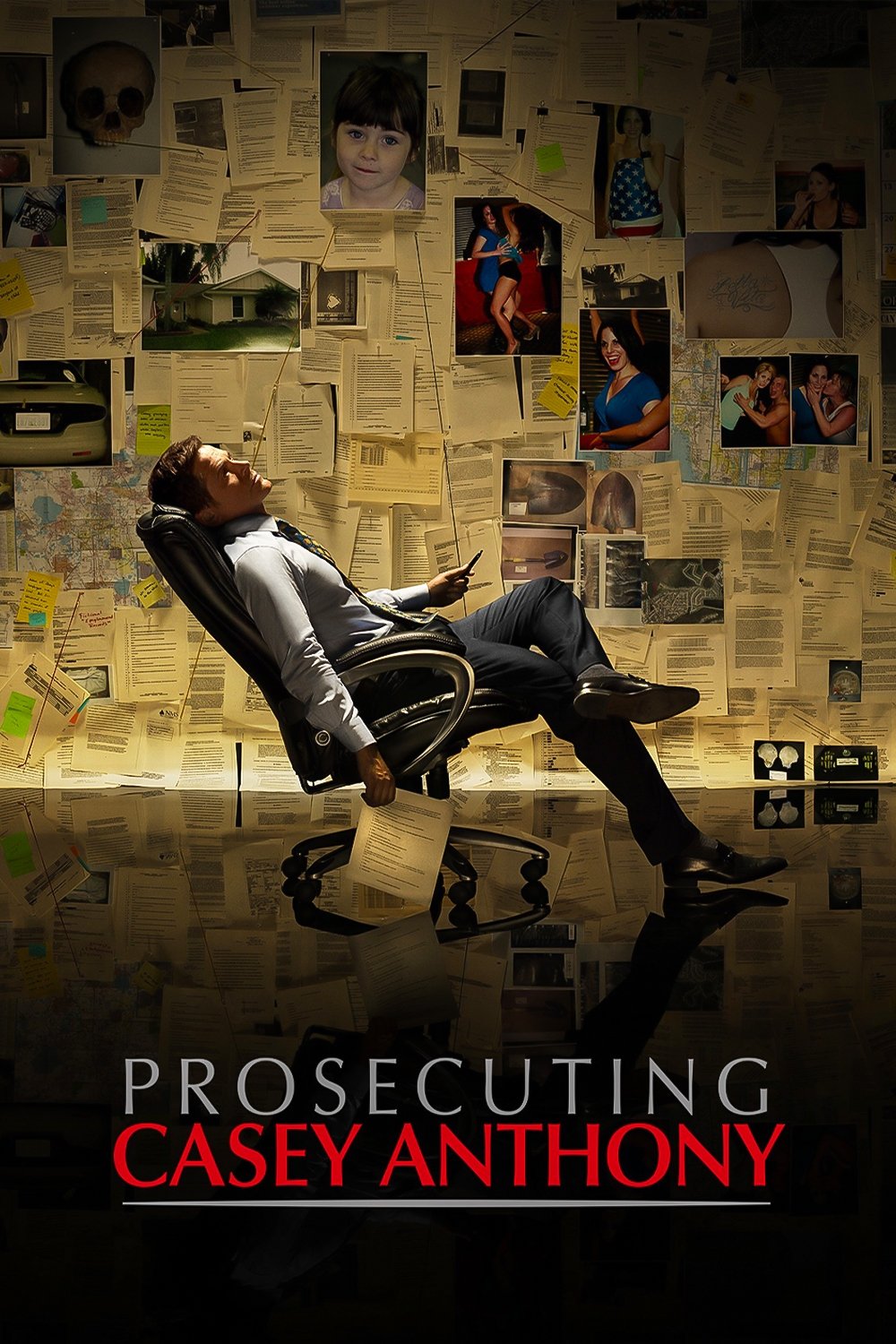
Prosecuting Casey Anthony (2013) — AI Story Visualization
Plot Analysis Summary
The documentary examines a highly charged prosecution, contested circumstantial evidence, and the gap between public expectations and the jury's verdict.
Story Structure — 4 Plot Phases
A Case Under Public Judgment
The documentary introduces the disappearance, the delayed report, and the intense public anger surrounding Casey Anthony. Jeff Ashton frames the central question and the prosecution's account of the nanny and kidnapping story.
Key Events
Public Outrage and Verdict — Ashton reflects on public anger and the contrast between opinion, evidence, and the verdict. Characters: Jeff Ashton, Casey AnthonyLocation: Public and courtroom contexts
Ashton's Record Tested — The case tests the record of an experienced Florida prosecutor. Characters: Jeff AshtonLocation: Florida
Thirty-One-Day Delay — The central question emerges: why Anthony waited thirty-one days to report the child missing. Characters: Casey AnthonyLocation: Not specified
The 911 Call — The call contrasts the mother's panic with Casey Anthony's seemingly calm behavior. Characters: Casey AnthonyLocation: Not specified
The Nanny Account — Prosecutors argue Anthony invented a nanny and a kidnapping story. Characters: Jeff Ashton, Casey AnthonyLocation: Not specified
A False Work Routine — The prosecution says Anthony left as if going to work while claiming the child was elsewhere. Characters: Casey AnthonyLocation: Anthony family home
Discovery and Uncertainty
The discovery of remains near the family home raises the stakes of the investigation. Anthony's reaction is scrutinized, but the film notes that it cannot establish guilt, and no reliable alternative disposal explanation emerges.
Key Events
Remains Discovered — Remains are discovered in woods near the family home, intensifying the investigation. Characters: Jeff Ashton, Casey AnthonyLocation: Woods near the Anthony family home
Crime Scene Sealed — The discovery area is sealed as a crime scene. Characters: Jeff AshtonLocation: Woods near the Anthony family home
Television Report — Anthony learns through a television report that a body has been found. Characters: Casey AnthonyLocation: Not specified
Reaction Under Scrutiny — Her physical reaction is recorded, but lawyers say hyperventilation proves neither grief nor guilt. Characters: Casey Anthony, Jeff AshtonLocation: Not specified
Alternative Disposal Theory — The prosecution considers whether another person helped dispose of the body but finds no reliable alternative explanation. Characters: Jeff AshtonLocation: Not specified
Arguments in the Courtroom
Jose Baez challenges the prosecution's interpretation and introduces allegations about Anthony's family history. Testimony and evidence present conflicting accounts of Anthony's relationship with the child and her credibility.
Key Events
Baez Challenges the Case — Baez challenges the prosecution's interpretation of evidence and raises allegations about Anthony's family history. Characters: Jose Baez, Jeff Ashton, Casey AnthonyLocation: Courtroom
Ashton Rejects Excuse — Ashton argues that the family-history allegations do not excuse murder. Characters: Jeff Ashton, Casey AnthonyLocation: Courtroom
Conflicting Portrayals — Testimony portrays Anthony as a loving mother, while other evidence damages her credibility. Characters: Casey Anthony, Jose Baez, Jeff AshtonLocation: Courtroom
Photograph Examined — A photograph linked to a former boyfriend is examined as a possible source for the idea of sedation. Characters: Casey Anthony, Jeff Ashton, Jose BaezLocation: Courtroom
Chloroform Claim Contested — Investigators found no proof Anthony manufactured chloroform, despite the prosecution's inquiry. Characters: Jeff Ashton, Jose Baez, Casey AnthonyLocation: Courtroom
Evidence and Verdict
The trial examines the trunk sample, family interactions, internet searches, and conflicting work records. The jury's unexpected verdict contrasts with public condemnation and leaves the case a legal controversy.
Key Events
Trunk Sample Testimony — A scientist reports a strong decomposition odor in a trunk carpet sample; the defense attacks the testing's reliability and financial interests. Characters: Jeff Ashton, Jose Baez, Casey AnthonyLocation: Courtroom
Jailhouse Visit Evidence — An emotional jailhouse visit is presented as evidence of enduring parental love. Characters: Casey AnthonyLocation: Jail
Searches and Work Records — Burdick questions the grandmother about chemical searches, while conflicting work records raise a possible perjury issue. Characters: Linda Burdick, Jeff Ashton, Casey AnthonyLocation: Courtroom
Unexpected Jury Verdict — The jury returns a verdict at odds with public expectations, sustaining debate about circumstantial evidence. Characters: Jury Member, Casey Anthony, Jeff Ashton, Jose BaezLocation: Courtroom
Story Breakdown
Public Anger — The case draws intense public condemnation while Jeff Ashton reflects on its legal and emotional stakes.
Ashton's Perspective — An experienced prosecutor faces a case that tests his record.
Verdict Contrast — The documentary highlights the divide between public opinion and the courtroom outcome.
Delayed Report — The failure to report the child missing for thirty-one days becomes a central question.
The 911 Call — The call contrasts the mother's panic with Casey Anthony's seemingly calm behavior.
Nanny Story — Prosecutors argue that Anthony invented a nanny and kidnapping account.
Discovery and Reaction — The discovery of remains intensifies the investigation while leaving the meaning of Anthony's reaction uncertain.
Crime Scene — Remains are found in woods near the Anthony family home and the area is sealed.
Television Report — Anthony learns of the discovery through a report; her physical response is not treated as proof of guilt.
Defense Challenge — Jose Baez contests how the prosecution interprets the evidence and raises family-history allegations.
Family Allegations — Baez raises allegations about Anthony's family history, which Ashton says do not excuse murder.
Motherhood Testimony — Testimony portrays Anthony as a loving mother while other evidence undermines her credibility.
Contested Evidence — The trial tests the prosecution's circumstantial case through disputed physical and documentary evidence.
Sedation Inquiry — A photograph is considered as a possible source for the idea of sedation, but investigators found no proof Anthony manufactured chloroform.
Trunk Sample — A scientist reports a decomposition odor in a carpet sample, and the defense challenges the testing.
Family and Records — Family interactions and records become additional points of scrutiny during the trial.
Jailhouse Visit — An emotional visit is presented as evidence of enduring parental love.
Searches and Work — Questions about chemical searches and conflicting work records raise credibility concerns.
Jury and Aftermath — The jury's decision sharply diverges from public expectations and leaves the case contested.
Unexpected Verdict — The jury returns a verdict that surprises those expecting a different outcome.
Legal Controversy — The outcome underscores the limits of circumstantial evidence and keeps the case in public debate.
"Prosecuting Casey Anthony" reveals Florida prosecutor, Jeff Ashton’s inside story of the true crime drama that captivated and then shocked the nation when Caylee Anthony’s mother, Casey, was acquitted of killing her daughter, despite what many thought to be overwhelming evidence of guilt. The movie is seen from Ashton’s (Lowe) perspective and it takes viewers behind-the-scenes of both the investigation into Caylee’s tragic death and the ensuing trial, shedding new light on the many questions of what happened to the two year-old girl, how Ashton and his fellow prosecutors built their case and why a woman so shrouded in suspicion was proclaimed innocent. With in-depth information about the case and the accused, "Prosecuting Casey Anthony" examines what the prosecution got right, what they got wrong and why Ashton remains convinced of Casey Anthony’s guilt...