Plot Analysis Summary
Traces the journey of the silent film from its theatrical origins through distribution, revival, and archival preservation.
Story Structure — 4 Plot Phases
Theatrical Origins
The narrative begins with the 1911 stage play by Edward Knoblock, establishing the source material for cinematic adaptation.
Key Events
-
Play Adaptation Decision — Original stage play serves as the foundation for cinematic adaptation.
Location: Theatrical Stage
-
Silent Film Casting — Lead actors are secured for the silent movie production.
Location: Film Studio
Silent Production & Release
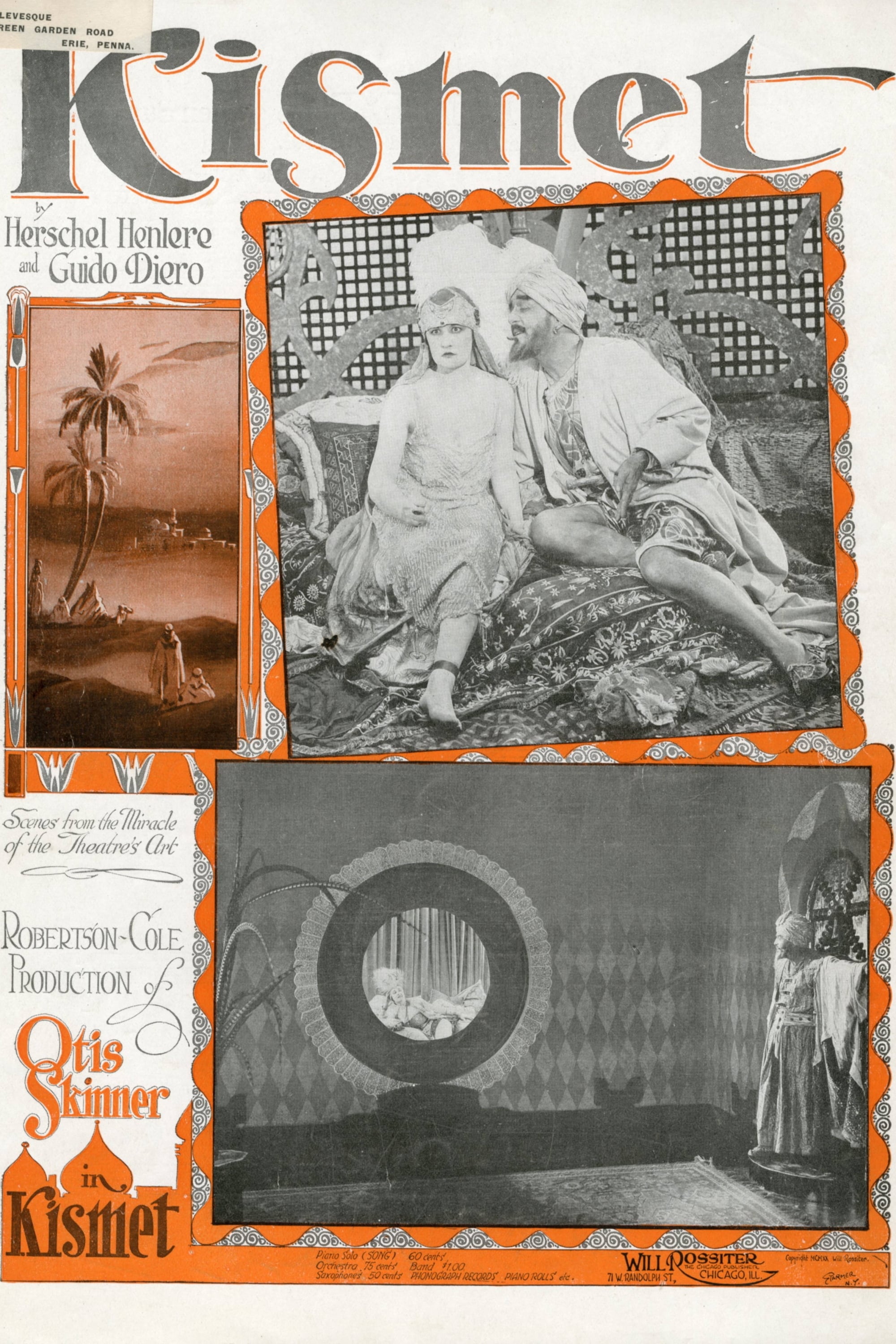
Otis Skinner and Elinor Fair are cast, Louis J. Gasnier directs, and Robertson-Cole officially releases the silent film.
Key Events
-
Directorial Production — Director oversees the filming of the silent adaptation.
Location: Film Set
-
Studio Release Launch — Primary distributor officially releases the film to theaters.
Location: Distribution Hub
Regional Premiere & Distribution
Joseph P. Kennedy manages New England distribution and orchestrates a highly successful Boston premiere event.
Key Events
-
Regional Distribution Setup — Regional distribution network is established for broader reach.
Location: New England
-
Boston Premiere Event — A highly successful public premiere is organized in Boston.
Location: Boston Theater
Legacy & Archival Survival
The film transitions through VHS releases and a 1930 talkie revival, ultimately surviving through its preserved Vitaphone soundtrack.
Key Events
-
VHS Archival Release — Film is preserved and distributed to home audiences via VHS.
Location: Home Video Market
-
1930 Talkie Revival — Lead actor returns to film a sound version of the same play.
Location: Sound Stage
-
Soundtrack Preservation — The original visual film is lost, but its audio recording survives.
Location: Audio Archive
-
Historical Legacy Assessment — The production's impact and surviving elements are documented.
Location: Film History