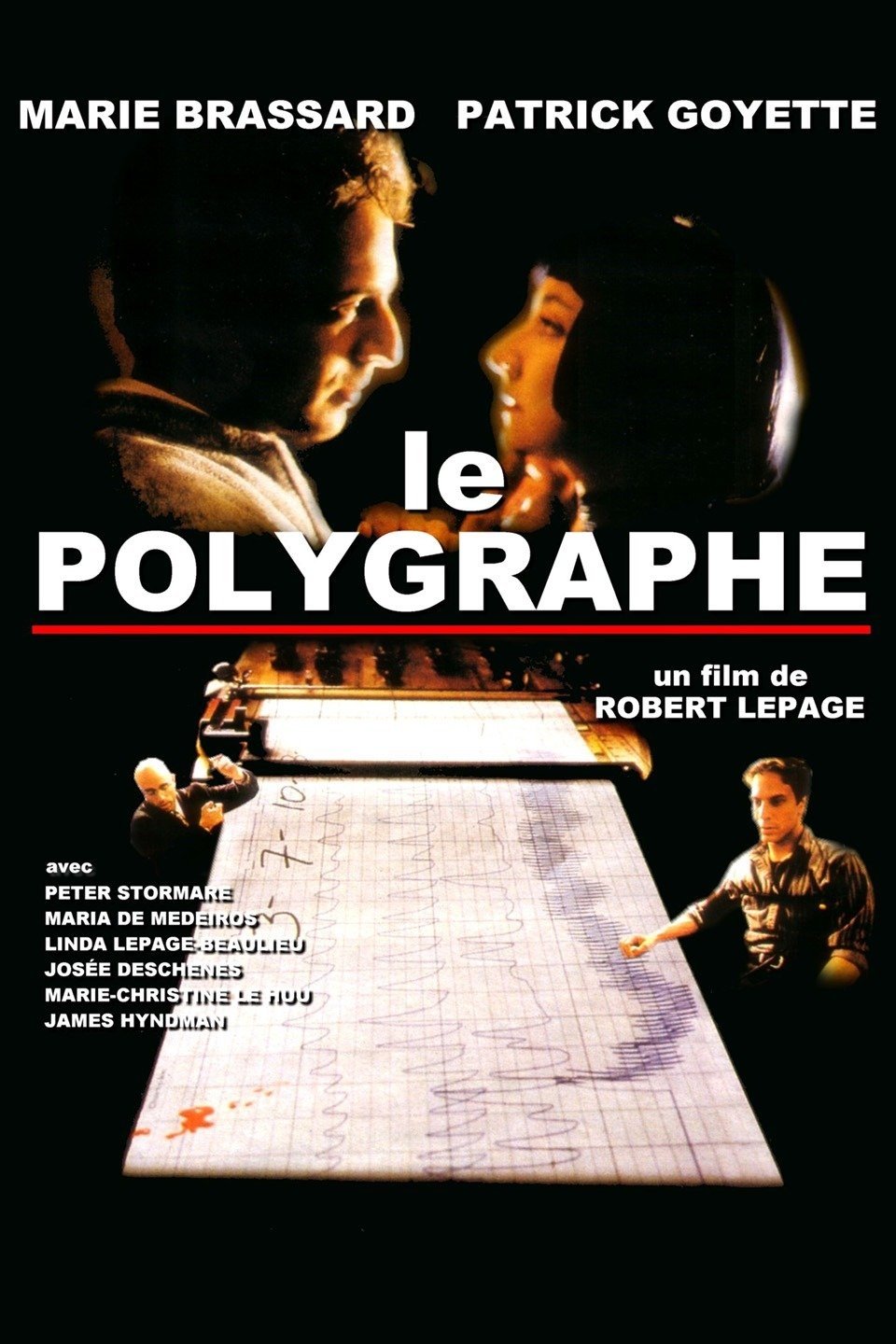
Story Structure — 4 Plot Phases
A Crime Becomes Cinema
The film is rooted in a real-life murder involving an actress. The background also includes suspicion directed toward the filmmaker connected to the case.
Key Events
-
Film Release — The film is released in 1996 as a Canadian production.
Location: Canada
-
Murder Case Inspiration — The story is partly inspired by a 1979 murder involving an actress.
Location: Quebec City
-
Body Discovery — The filmmaker connected to the inspiration discovered the victim's body.
Location: Quebec City
-
Initial Suspicion — The filmmaker became the police investigator's initial suspect.
Location: Murder Investigation
-
Suspicion Removed — The filmmaker was eventually cleared in the real murder investigation.
Location: Murder Investigation
The Weight Of Suspicion
The filmmaker is eventually cleared, but the history of suspicion remains central to the story's tension. An earlier request to portray a killer establishes the link between lived experience and performance.
Key Events
-
Suspicion Removed — The filmmaker was eventually cleared in the real murder investigation.
Location: Murder Investigation
-
Earlier Film Request — A filmmaker later asked the same person to play the killer in an earlier dramatization.
Location: Film Production
-
Lucie Receives Role — Lucie Champagne, an actress, is given a role in the murder-based film. Characters: Lucie Champagne
Location: Film Production
-
Marie-Claire Casting — Lucie is assigned to play Marie-Claire in the dramatization. Characters: Lucie Champagne, Marie-Claire
Location: Film Production
Roles Meet Reality
Lucie Champagne receives the role of Marie-Claire in a film dramatizing the murder. The production transforms a real crime into a space where personal history and acting overlap.
Key Events
-
Crime Reenactment — The production turns a real-life murder into dramatic material. Characters: Lucie Champagne, Marie-Claire
Location: Film Set
-
Former Relationship Revealed — Lucie's former boyfriend remains connected to the real crime as a suspect. Characters: Lucie Champagne
Location: Film Production
-
Neighbour Connection — The suspect's connection to Marie-Claire is established through their neighbouring residences. Characters: Lucie Champagne
Location: Residential Neighbourhood
-
Suspect Status Persists — The former boyfriend remains a suspect despite the passage of time. Characters: Lucie Champagne
Location: Murder Investigation
The Killer Performance
The former boyfriend remains a suspect and is pressured to play the killer. His uncertainty about his own innocence pushes the story toward psychological crisis.
Key Events
-
Killer Role Pressure — The continuing suspect is pressured to play the killer in the film. Characters: Lucie Champagne
Location: Film Production
-
Doubt Over Innocence — The suspect has become so pressured that he is no longer fully convinced of his own innocence. Characters: Lucie Champagne
Location: Film Production
-
Reality And Fiction Merge — The film's murder story and the unresolved real crime converge through performance and suspicion. Characters: Lucie Champagne, Marie-Claire
Location: Film Production