Story Structure — 4 Plot Phases
Production Genesis
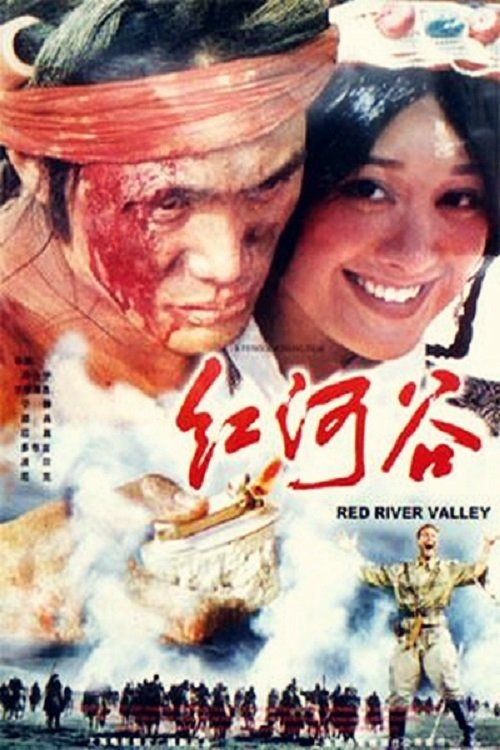
Official government initiative launches the film project. Director Feng Xiaoning takes the helm to depict the British expedition to Tibet. Paul Kersey and Ning Jing are cast as the lead actors.
Key Events
-
Film Production Context — Official government effort initiates film project
Location: China
-
Director Feng Xiaoning — Feng Xiaoning appointed to direct the epic
Location: Production Studio
-
British Expedition Subject — Story centers on the 1904 British invasion
Location: Tibet
-
Paul Kersey Casting — Paul Kersey selected as lead actor
Location: Casting Office
-
Ning Jing Casting — Ning Jing selected as lead actress
Location: Casting Office
-
Peter Fleming Book Credit — Peter Fleming's book credited in movie
Location: Script Development
Literary & Historical Foundation
The script draws heavily from Peter Fleming's 1961 book Bayonets to Lhasa. Historical accuracy regarding the 1904 invasion is prioritized. The narrative framework is solidified around documented events.
Key Events
-
Peter Fleming Book Credit — Peter Fleming's book credited in movie
Location: Script Development
-
Ian Fleming Connection — Peter Fleming identified as Ian Fleming's brother
Location: Literary Research
-
Bayonets to Lhasa Publication — 1961 publication of the source book
Location: Publishing House
-
Huabiao Award Win — Film wins Huabiao Award
Location: Award Ceremony
-
Golden Rooster Award Win — Film wins Golden Rooster Award
Location: Award Ceremony
Award Recognition
The film premieres and quickly garners critical acclaim. It secures major honors at the Huabiao, Golden Rooster, and Hundred Flowers ceremonies. The production team celebrates the widespread recognition.
Key Events
-
Golden Rooster Award Win — Film wins Golden Rooster Award
Location: Award Ceremony
-
Hundred Flowers Award Win — Film wins Hundred Flowers Award
Location: Award Ceremony
-
Government Narrative Effort — Part of official Chinese government narrative
Location: State Planning
-
National Curriculum Integration — Expedition story incorporated into national curriculum
Location: Education System
-
Century of Humiliation Theme — Focuses on century of humiliation narrative
Location: Thematic Core
-
Western Invaders Focus — Highlights Western invaders role
Location: Historical Analysis
Cultural & Educational Impact
The movie is integrated into the national curriculum. It reinforces the century of humiliation narrative within Chinese education. The film cements its legacy as a pivotal historical epic.
Key Events
-
Western Invaders Focus — Highlights Western invaders role
Location: Historical Analysis
-
Japanese Invaders Focus — Highlights Japanese invaders role
Location: Historical Analysis
-
Commercial Interests Theme — Examines commercial interests in invasion
Location: Thematic Core
-
Alternative Title Release — Released under title A Tale of the Sacred Mountain
Location: Distribution
-
Historical Accuracy Emphasis — Emphasis on full account of 1904 invasion
Location: Production Notes
-
Cinematic Legacy — Film secures place in Chinese cinema history
Location: Film History
At the turn of the century, a young Chinese girl escapes from a religious sacrifice, and is rescued by an honorable Tibetan herdsman. The two fall in love, but problems arise when she is ignorant of their time-honored traditions and runs into trouble with a glamorous and proud Tibetan princess. Meanwhile, a British expedition is planning to invade the sacred mountain. Facing the country's enemy, the three set aside their disputes and jealousy, and join the militia force to protect their homeland.