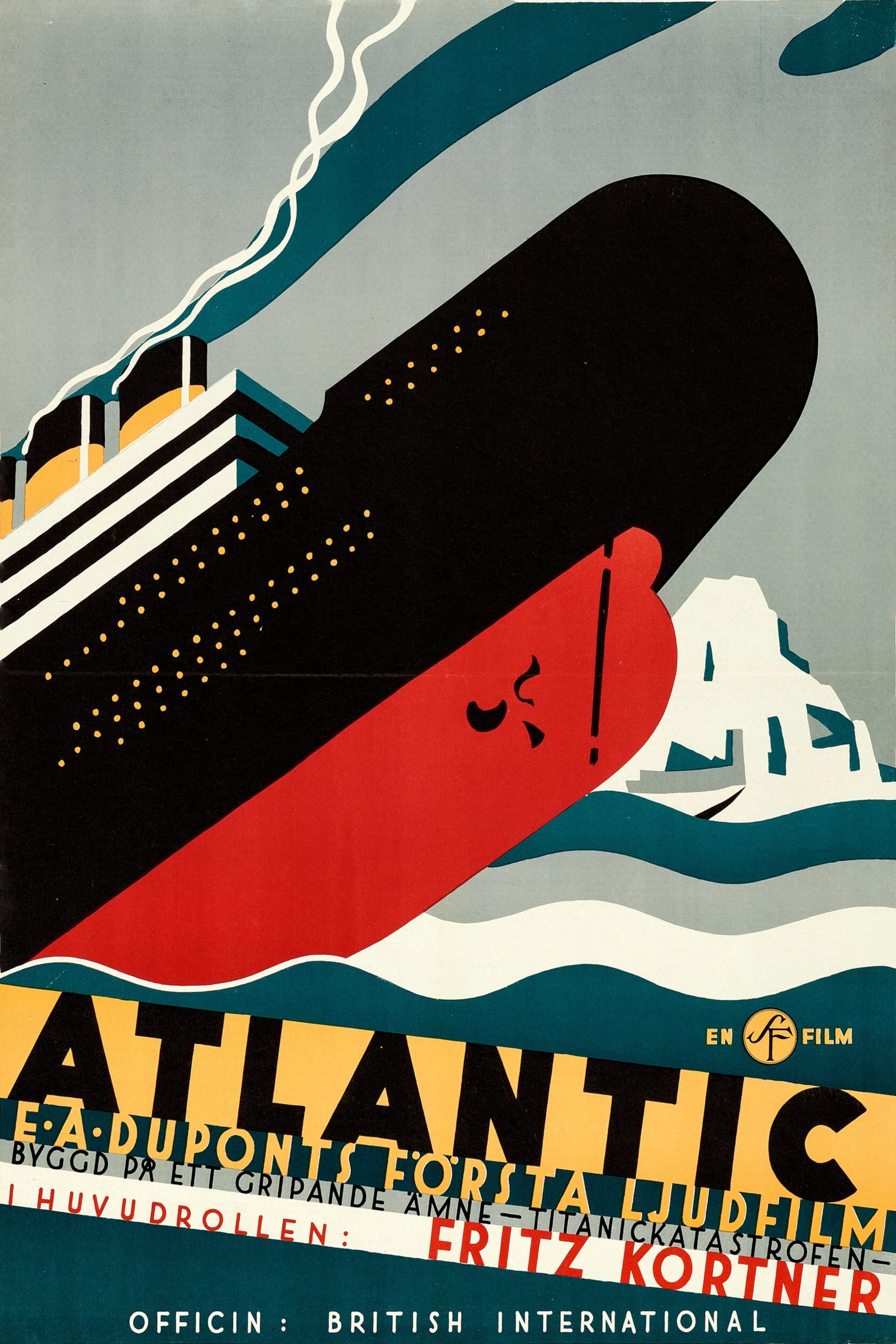
A meta-analysis of the film's multi-language production strategy, historical adaptation, and early sound era release.
Story Structure — 4 Plot Phases
Production Origins
The film emerges from the early sound era as studios experiment with multi-language versions. British and German teams collaborate at Elstree Studios to capture scenes simultaneously.
Key Events
1929 Production Context — British and German studios initiate simultaneous filming for multiple-language versions.
Location: Elstree Studios
Director and Cast Assembly — Ewald André Dupont directs Fritz Kortner, Elsa Wagner, and Heinrich Schroth.
Location: Film Set
Multi-Language Execution
Filming proceeds through a rigorous process where English takes are immediately followed by German performances on identical sets. This method ensures technical consistency across versions.
Key Events
Simultaneous Filming Process — English scenes are shot first, immediately followed by German takes on identical sets.
Location: Elstree Studios
Market Adaptation Strategy — Companies produce English, French, German, and silent versions to target diverse markets.
Location: Production Office
Narrative Adaptation
The storyline draws directly from Ernest Raymond's 1929 play The Berg. The script reinterprets the historical Titanic disaster into a dramatic cinematic framework.
Key Events
Source Material Integration — The narrative adapts Ernest Raymond's 1929 play, which draws from the Titanic disaster.
Location: Archive
Historical Disaster Foundation — The plot structure mirrors the real-life sinking of the RMS Titanic.
Location: Historical Records
Release and Reception
The German version premieres as the country's first fully talking film, becoming a major commercial hit. Additional English, French, and silent cuts are distributed to unconverted theaters worldwide.
Key Events
German Premiere Release — The film debuts as Germany's first fully talking picture, achieving major commercial success.
Location: German Cinemas
Silent Version Distribution — Unconverted cinemas receive silent cuts to ensure broader accessibility.
Location: Global Theaters
Story Breakdown
Production Framework — Establishes the collaborative British-German studio environment and technical setup.
Elstree Studios Setup — Shared physical sets enable simultaneous shooting for different language casts.
Simultaneous Shooting — English scenes are captured first, immediately followed by German takes.
Casting and Direction — Details the key creative personnel and lead performers driving the production.
Ewald André Dupont — Directs both versions, ensuring consistent visual storytelling across languages.
Lead Performers — Fritz Kortner, Elsa Wagner, and Heinrich Schroth headline the German cast.
Source Material — Traces the narrative origins from theatrical play to historical inspiration.
The Berg Play — Ernest Raymond's 1929 stage work provides the direct screenplay foundation.
Titanic Disaster — The real-life maritime tragedy supplies the core dramatic structure and stakes.
Release Strategy — Outlines the distribution model designed to maximize market reach during the sound transition.
Four Version Rollout — English, French, German, and silent cuts target distinct regional audiences.
German Premiere — Debuts as Germany's first fully talking picture, achieving major commercial success.
Technical Innovation — Highlights the early sound technology and preservation methods used during production.
Early Sound Implementation — Captures synchronized dialogue during a transitional period in cinema history.
Silent Cut Preservation — Ensures accessibility for theaters not yet equipped with sound projection systems.
Commercial Impact — Evaluates the film's market performance and cross-cultural accessibility.
Major German Hit — Resonates strongly with domestic audiences during the early sound era.
Cross-Market Accessibility — Multi-language approach broadens international distribution and longevity.
German-language version. "Atlantic" is a drama film based on the sinking of the RMS "Titanic" and set aboard a fictional ship, called the "Atlantic". The main plotline revolves around a man who has a shipboard affair with a fellow passenger, which is eventually discovered by his wife. The ship also has aboard an elderly couple, Heinrich and Anna Thomas, who are on their anniversary cruise. Midway across the Atlantic Ocean, the "Atlantic" strikes an iceberg and is damaged to the point where it is sinking into the Atlantic. The German version was filmed at the same time as the British version, with each scene first being filmed in English for the British version, then the same scene being filmed in German by a German cast, using the same sets.