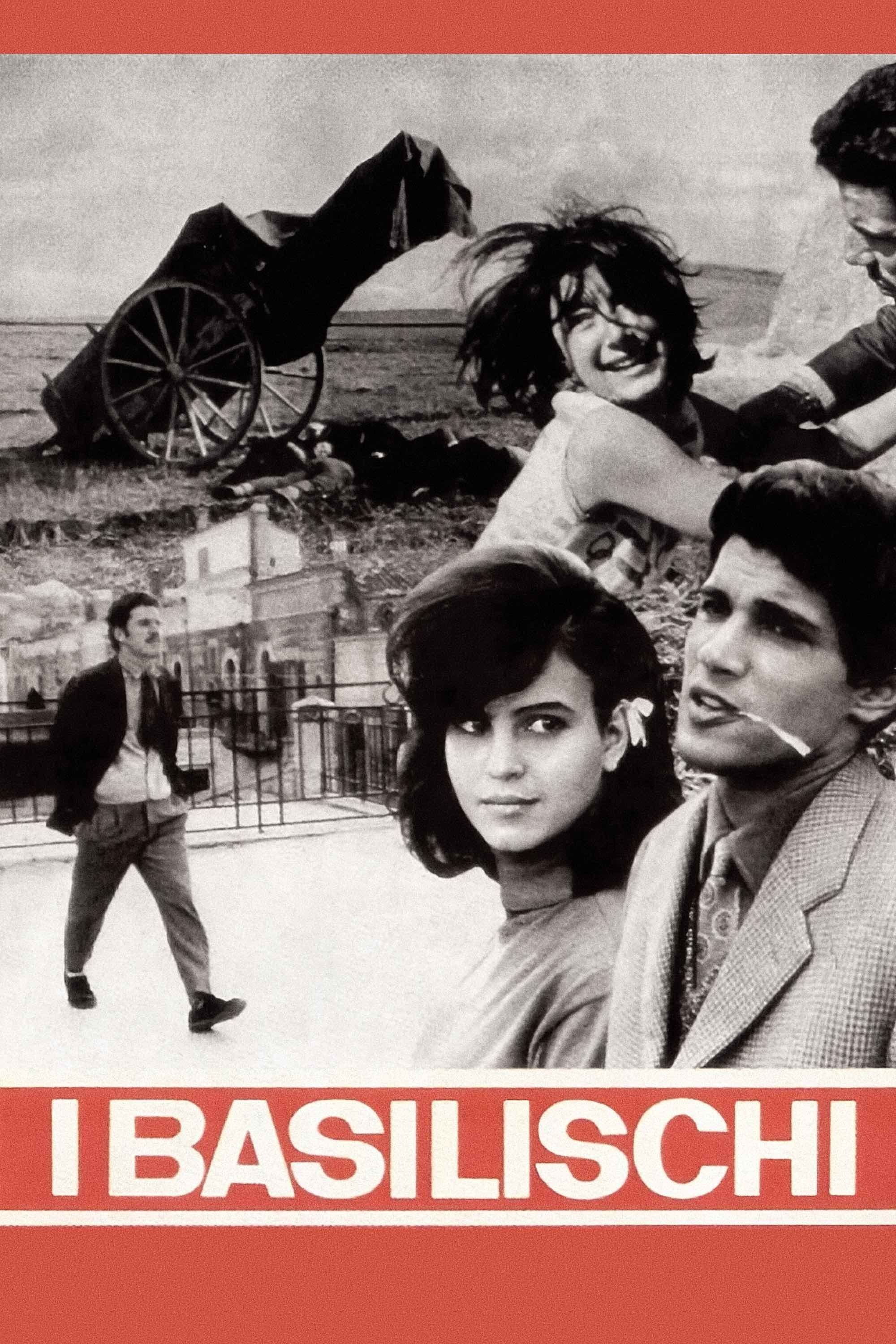
The film portrays how provincial identity, inherited rituals, and local history restrict the possibility of escape.
Story Structure — 5 Plot Phases
Life in the Provincial Town
Francesco, Sergio, and Antonio are introduced as privileged young people living in Minervino Murge. Their lives are marked by apathy, provincialism, and restricted horizons.
Key Events
Minervino Murge — The three young individuals reside in this provincial town. Characters: Francesco, Sergio, AntonioLocation: Minervino Murge
Three Privileged Youths — Francesco, Sergio, and Antonio are introduced as privileged young residents. Characters: Francesco, Sergio, AntonioLocation: Minervino Murge
Provincial Apathy — Their lives are described as saturated with apathy and provincialism. Characters: Francesco, Sergio, AntonioLocation: Minervino Murge
Blocked Horizons — The provincial environment hinders any genuine desire for more stimulating horizons. Characters: Francesco, Sergio, AntonioLocation: Minervino Murge
Inherited Rituals — Local prejudices, stereotypes, and rituals shape the young men's outlook. Characters: Francesco, Sergio, AntonioLocation: Minervino Murge
Antonio at University — Antonio is enrolled at the University of Bari. Characters: AntonioLocation: Bari
The Prospect of Rome
Antonio's university situation connects him to Bari. An opportunity appears to move to Rome and transfer his enrollment to the capital.
Key Events
Antonio at University — Antonio is enrolled at the University of Bari. Characters: AntonioLocation: Bari
A Roman Opportunity — Antonio receives an opportunity to live in Rome and transfer his university enrollment. Characters: AntonioLocation: Minervino Murge
The Capital — Rome represents a possible escape from the provincial environment. Characters: AntonioLocation: Rome
A Choice Approaches — Antonio faces the possibility of leaving his native province for Rome. Characters: AntonioLocation: Minervino Murge
Fear of Departure — Antonio remains bound to the prejudices and rituals of his native province. Characters: AntonioLocation: Minervino Murge
The Roman Transfer — The proposed transfer from Bari to Rome becomes the decisive personal issue. Characters: AntonioLocation: Minervino Murge
The Refusal to Leave
Antonio confronts the possibility of abandoning his native province. He eventually declines the opportunity, showing the strength of his local attachments.
Key Events
The Roman Transfer — The proposed transfer from Bari to Rome becomes the decisive personal issue. Characters: AntonioLocation: Minervino Murge
Antonio Declines — Antonio ultimately declines the opportunity to live in Rome. Characters: AntonioLocation: Minervino Murge
Provincial Attachments — His refusal reveals his inability to abandon the ingrained local worldview. Characters: AntonioLocation: Minervino Murge
The Horizon Closes — The shared provincial condition continues to restrict the young men's horizons. Characters: Francesco, Sergio, AntonioLocation: Minervino Murge
Return to the Village — After declining Rome, Antonio returns to the village. Characters: AntonioLocation: Minervino Murge
An Irreversible Return
Antonio returns to the village after refusing Rome. His decision is described as irreversible, while the shared provincial condition remains in place.
Key Events
Return to the Village — After declining Rome, Antonio returns to the village. Characters: AntonioLocation: Minervino Murge
Irreversible Decision — Antonio's decision to remain in the village is presented as irreversible. Characters: AntonioLocation: Minervino Murge
The Village Persists — The three protagonists remain framed by the persistent provincial environment. Characters: Francesco, Sergio, AntonioLocation: Minervino Murge
Southern Borderlands — The town is situated between Apulia and Basilicata. Characters: Francesco, Sergio, AntonioLocation: Apulia and Basilicata
History as Destiny
The conclusion invokes Giustino Fortunato's statement about race, climate, location, and history. The quotation gives the ending a reflective interpretation of southern identity.
Key Events
Fortunato's Observation — The conclusion introduces Fortunato's statement about race, climate, location, and history. Characters: AntonioLocation: Minervino Murge
A Determined Identity — The quotation frames the characters as shaped by their southern environment and history. Characters: Francesco, Sergio, AntonioLocation: Minervino Murge
Story Breakdown
Provincial Setting — Minervino Murge provides the social and geographic environment shaping the young protagonists.
Minervino Murge — The three young individuals reside in this typical provincial town.
Southern Borderlands — The town lies between Apulia and Basilicata.
Young Protagonists — Francesco, Sergio, and Antonio represent privileged youth living within the same restrictive environment.
Francesco's Presence — Francesco is one of the young people whose life is portrayed in the town.
Sergio's Presence — Sergio belongs to the same group and provincial social setting.
Apathetic Routine — The protagonists' lives are saturated with apathy and provincialism.
Limited Horizons — The local environment hinders genuine desire for more stimulating horizons.
Social Stagnation — The shared town setting sustains a life without meaningful escape.
Antonio's Opportunity — Antonio is offered a concrete route from Bari to Rome.
University of Bari — Antonio's existing university enrollment is connected to Bari.
Transfer to Rome — The opportunity would allow Antonio to live in Rome and transfer his enrollment.
The Choice To Stay — Antonio's inability to abandon local prejudices and rituals determines his decision.
Refusing Rome — Antonio eventually declines the opportunity to move to the capital.
Irreversible Return — He returns to the village, and the decision is described as irreversible.
Inherited Identity — The ending interprets the characters' condition through a quotation about environmental and historical determination.
Local Rituals — Prejudices, stereotypes, and rituals remain embedded in the native province.
Fortunato's Conclusion — The final quotation links identity to race, climate, location, and history.
Francesco, Sergio, and Antonio, three young men in a small, poverty-stricken village, lead uneventful lives. As all three are unemployed, they pass time roaming the streets and chasing girls. One day, Antonio's aunt asks him to stay with her and his cousins in Rome. He accepts and enrolls at a university, leaving his two friends behind to envy him for his new upscale lifestyle. But eventually Antonio returns, initially just for a day. Though he boasts about his life, he never returns to Rome and instead opts for his friends and the place he grew up, despite all its shortcomings.