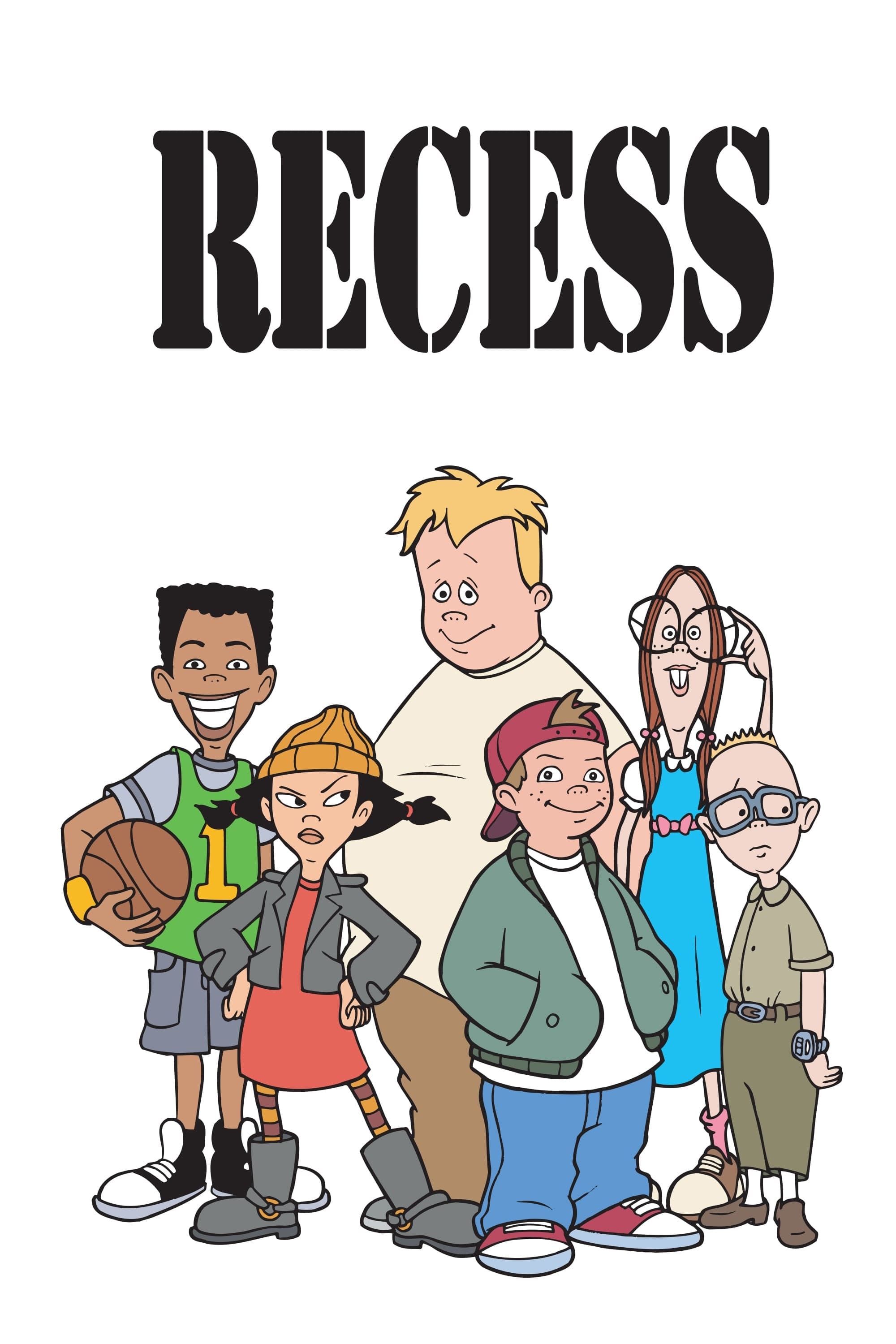
Recess (1997) character relationship network mapped with AI analysis. Explore the connections, alliances, and conflicts between characters.
Characters
Vince LaSalle
(played by Rickey D'Shon Collins) — supporting
One of the six core fourth graders, characterized as a jock who participates in the daily dynamics of the recess society and its balance between conformity and liberty.
Ashley Spinelli
(played by Pamela Adlon) — supporting
A tomboy among the six main fourth graders who navigates the playground hierarchy and defends recess freedom alongside her friends against administrative and social pressures.
Gretchen Grundler
(played by Ashley Johnson) — supporting
A nerdy child prodigy and core member of the fourth-grade group, involved in the collective efforts to maintain individuality and balance within the recess society.
Mikey Blumberg
(played by Jason Davis) — supporting
A wise fool and central fourth grader who, along with his friends, explores the themes of liberty, social norms, and authority during their playground society.
Gelman
(played by Justin Shenkarow) — cameo
Menlow
(played by Blake McIver Ewing) — cameo
Big Kid
(played by Riley Brock) — cameo
King Bob
(played by Lane Toran) — cameo
Butch
(played by Kath Soucie) — cameo
Flo Spinelli
(played by Katey Sagal) — cameo
Canonical Relationships
Family, romantic, and professional connections based on plot evidence.
Ashley Spinelli → Flo Spinelli
(Mother and daughter) — Their relationship is shaped by Spinelli's fear that her family identity will conflict with her playground identity.
"Spinelli worries about her parents attending Parents' Night, and Flo Spinelli is identified as her mother in that storyline."
Menlow → Mikey Blumberg
(Advisor and client) — Menlow's organizational expertise temporarily changes Mikey's behavior and priorities.
"Mikey turns to Menlow for help organizing his preparation for a poetry ceremony."
Mikey Blumberg → King Bob
(Playground ruler and subject) — Mikey participates in a playground society governed by King Bob's symbolic authority.
"King Bob's playground authority structures events such as the Kindergarten Derby and the wish granted by the playground ruler."
Story Dynamics
Alliances, conflicts, and narrative interactions that evolve throughout the story.
Gretchen Grundler → Ashley Spinelli
(Close friendship) — Their friendship survives differences between Gretchen's academic identity and Spinelli's rebellious self-image.
"Spinelli asks Gretchen to accompany her on a family trip, while later episodes show Spinelli becoming upset when her parents praise Gretchen over her...
Vince LaSalle → Mikey Blumberg
(Core friendship and mutual support) — Their friendship combines Vince's athletic confidence with Mikey's admiration and emotional loyalty.
"Vince catches a baseball that appears to threaten Mikey, and Mikey later struggles with his desire to imitate Vince."
Gretchen Grundler → Mikey Blumberg
(Supportive friendship) — Gretchen often contributes knowledge and planning to protect Mikey's confidence.
"Gretchen helps the group support Mikey's ambitions, including his safety-ranger goal, singing, poetry, and concerns about growing up."
Butch → Mikey Blumberg
(Storyteller and audience member) — Butch supplies the mythic and horror framework through which Mikey and the other children interpret playground life.
"Butch tells frightening playground stories, including tales about school fears and later serialized horror stories involving the students."
Vince LaSalle → Ashley Spinelli
(Team friendship) — Vince supports Spinelli when social pressure threatens her independence.
"Vince joins the group in helping Spinelli resist the Ashleys and later convinces her to compete in the beauty contest."
Vince LaSalle → Gretchen Grundler
(Friendship within the gang) — They cooperate as capable but contrasting members of the playground group.
"Vince works with Gretchen during group schemes, and both later run for school president."
Gelman → Mikey Blumberg
(Playground intimidation) — Mikey is aligned with the group opposing Gelman's use of fear on the playground.
"Gelman's bullying of another student is described as a broader playground threat, while the group, including Mikey, joins the response to his intimid...
Big Kid → Mikey Blumberg
(Playground acquaintance) — The connection is primarily part of the playground's shared social mythology rather than a sustained personal friendship.
"Big Kid is associated with recurring playground legends and stories that shape how the children understand status and childhood."
Story Analysis
Across six seasons, the series presents the playground as a miniature society where friendship, identity, authority, and freedom are repeatedly tested.
Plot Progression
Season 1: Defending the Gang
— The first season establishes the playground as a social system where friendship protects individuality. The group confronts punishment, status pressure, family embarrassment, and separation threats.
Season 2: Testing Authority
— The second season expands the playground's political and economic rules. The children confront bullying, conformity, public reputation, and competing ideas of leadership.
Season 3: Risk and Responsibility
— The third season emphasizes consequences, moral choices, and the pressure to perform. Group loyalty is tested by danger, public judgment, and threats of separation.
Season 4: Identity and Rivalry
— The fourth season explores identity through family comparison, leadership competition, unusual friendships, and rival groups. The friends learn that recognition can be less valuable than solidarity.
Season 5: Changing Alliances
— The fifth season revisits the group's response to heat, money, school administration, and new friendships. Rivalry repeatedly threatens established bonds but also clarifies their value.
Season 6: Legacy and Continuity
— The final season uses horror stories, unexpected friendships, and renewed leadership problems to revisit the series' central playground myths. The group remains defined by cooperation rather than form...