Story Structure — 4 Plot Phases
Regional Industrial Context
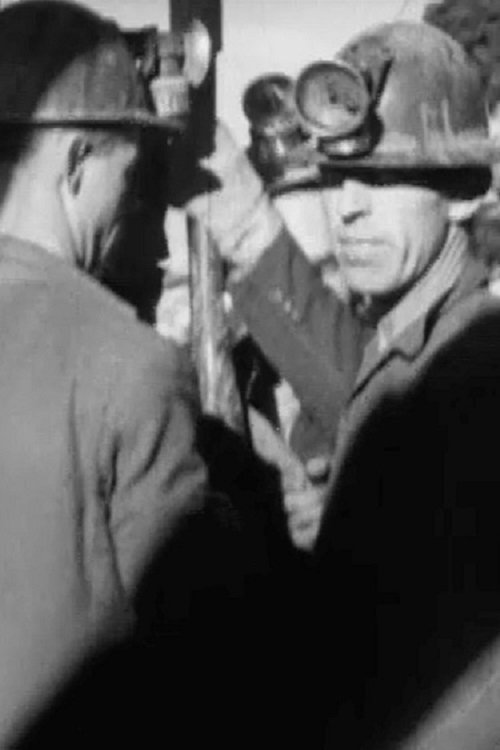
The documentary opens by establishing the geographical and economic landscape of the Tri-State region. It introduces the extractive industry as the central force shaping Kansas, Missouri, and Oklahoma. This foundational segment sets the stage for the subsequent health and environmental narratives.
Key Events
-
Regional Overview — Establishes the geographical setting of the documentary.
Location: Tri-State Region
-
Industry Introduction — Introduces the extractive industry context.
Location: Industrial Zones
-
Kansas Mining Sites — Documents mining operations in Kansas.
Location: Kansas Mines
-
Missouri Mining Sites — Documents mining operations in Missouri.
Location: Missouri Mines
-
Oklahoma Mining Sites — Documents mining operations in Oklahoma.
Location: Oklahoma Mines
-
Disease Outbreak — Reveals severe diseases plaguing miners.
Location: Health Clinics
The Health Crisis Unveiled
The narrative shifts to the severe diseases plaguing the mining workforce across the three states. Medical documentation and firsthand worker accounts reveal the devastating human cost of occupational hazards. This section builds tension as the scale of the health emergency becomes undeniable.
Key Events
-
Disease Outbreak — Reveals severe diseases plaguing miners.
Location: Health Clinics
-
Symptom Documentation — Records specific illness symptoms and progression.
Location: Medical Facilities
-
Committee Formation — Tri-State Survey Committee is established.
Location: Committee Offices
-
Field Investigations — Committee begins on-site data collection.
Location: Mining Regions
-
Worker Interviews — Gathers firsthand accounts from laborers.
Location: Worker Camps
-
Data Analysis — Compiles and analyzes collected health data.
Location: Research Labs
Survey and Advocacy Mobilization
The Tri-State Survey Committee launches formal investigations to collect data and analyze health trends. Fieldwork and policy demands emerge as the committee pushes for systemic labor reforms. The documentary adopts a determined tone while highlighting the push for worker protection.
Key Events
-
Data Analysis — Compiles and analyzes collected health data.
Location: Research Labs
-
Advocacy Launch — Formal labor advocacy campaign begins.
Location: Public Forums
-
Landscape Changes — Shows physical transformation of the terrain.
Location: Ecological Zones
-
Ecological Assessment — Evaluates long-term ecological consequences.
Location: Environmental Sites
-
Industry Critique — Directly challenges extractive industry practices.
Location: Industrial Landscapes
-
Cinematic Style — Showcases innovative documentary techniques.
Location: Cinematic Sets
Ecological Legacy and Resolution
The film examines the radical transformation of landscapes caused by extractive industry and frames the footage as a vital ecological record. Stylistic innovations and historical archiving underscore the documentary's lasting cultural impact. The narrative concludes with a reflective call for environmental and labor awareness.
Key Events
-
Cinematic Style — Showcases innovative documentary techniques.
Location: Cinematic Sets
-
Testimony Compilation — Aggregates worker testimonies for impact.
Location: Interview Rooms
-
Policy Demands — Presents concrete demands for reform.
Location: Legislative Settings
-
Historical Archive — Frames footage as a valuable ecological record.
Location: Archival Vaults
-
Final Message — Delivers the core labor advocacy conclusion.
Location: Screening Halls
-
Legacy Impact — Highlights the film enduring historical significance.
Location: Cultural Spaces
-
Closing Credits — Ends the documentary with final acknowledgments.
Location: Theater Screen