Story Structure — 4 Plot Phases
Historical Context & Camp Setting
The documentary establishes the World War II backdrop and introduces Stalag XIII-A in Langwasser. Prisoners of war endure captivity near Nuremberg during August 1940.
Key Events
-
WWII Historical Context — Film establishes the World War II wartime setting.
Location: Germany
-
Stalag XIII-A Camp — Introduces the Langwasser prisoner camp near Nuremberg.
Location: Stalag XIII-A
-
August 1940 Timeline — Sets the specific timeframe for the camp events.
Location: Stalag XIII-A
-
Flag Concept Origin — Idea emerges to create an Olympic symbol in captivity.
Location: Stalag XIII-A
-
Shirt Preparation — Repurposing personal clothing to craft the flag base.
Location: Stalag XIII-A
-
Crayon Illustration — Drawing Olympic rings and allied banners by hand.
Location: Stalag XIII-A
The Flag's Creation
A Polish prisoner repurposes his shirt and uses crayons to draw the Olympic rings and allied banners. The handmade 29 by 46 cm flag becomes a symbol of hope.
Key Events
-
Crayon Illustration — Drawing Olympic rings and allied banners by hand.
Location: Stalag XIII-A
-
Banner Inclusion — Adding national banners for six allied countries.
Location: Stalag XIII-A
-
Flag Completion — Finished 29 by 46 cm Olympic flag ready for display.
Location: Stalag XIII-A
-
Games Announcement — Prisoners organize the International POW Olympics.
Location: Stalag XIII-A
-
Team Assembly — Prisoners coordinate and prepare for athletic competition.
Location: Stalag XIII-A
-
Teodor Introduction — Narrative focus shifts to Teodor Niewiadomski.
Location: Stalag XIII-A
The Olympic Games Celebration
Prisoners organize the International Prisoner-of-War Olympic Games, featuring athletic contests and national representation. The event significantly boosts camp morale.
Key Events
-
Teodor Introduction — Narrative focus shifts to Teodor Niewiadomski.
Location: Stalag XIII-A
-
Competition Start — Special Olympic events officially begin.
Location: Stalag XIII-A
-
Flag Display — Handmade flag raised during the games.
Location: Stalag XIII-A
-
Allied Participation — Six nations represented through banners and athletes.
Location: Stalag XIII-A
-
Athletic Contests — Various sports competitions underway in the camp.
Location: Stalag XIII-A
-
Morale Elevation — Games provide psychological relief from captivity.
Location: Stalag XIII-A
Documentary Legacy & Focus
The narrative centers on Teodor Niewiadomski's experiences during the games. The film preserves the historical event, ensuring its memory endures.
Key Events
-
Morale Elevation — Games provide psychological relief from captivity.
Location: Stalag XIII-A
-
Teodor's Journey — Teodor's personal experiences during the games highlighted.
Location: Stalag XIII-A
-
Games Conclusion — Olympic events wrap up successfully.
Location: Stalag XIII-A
-
Historical Documentation — Events preserved as a factual historical account.
Location: Stalag XIII-A
-
Film Legacy — Olympics 40 ensures the story reaches modern audiences.
Location: Documentary
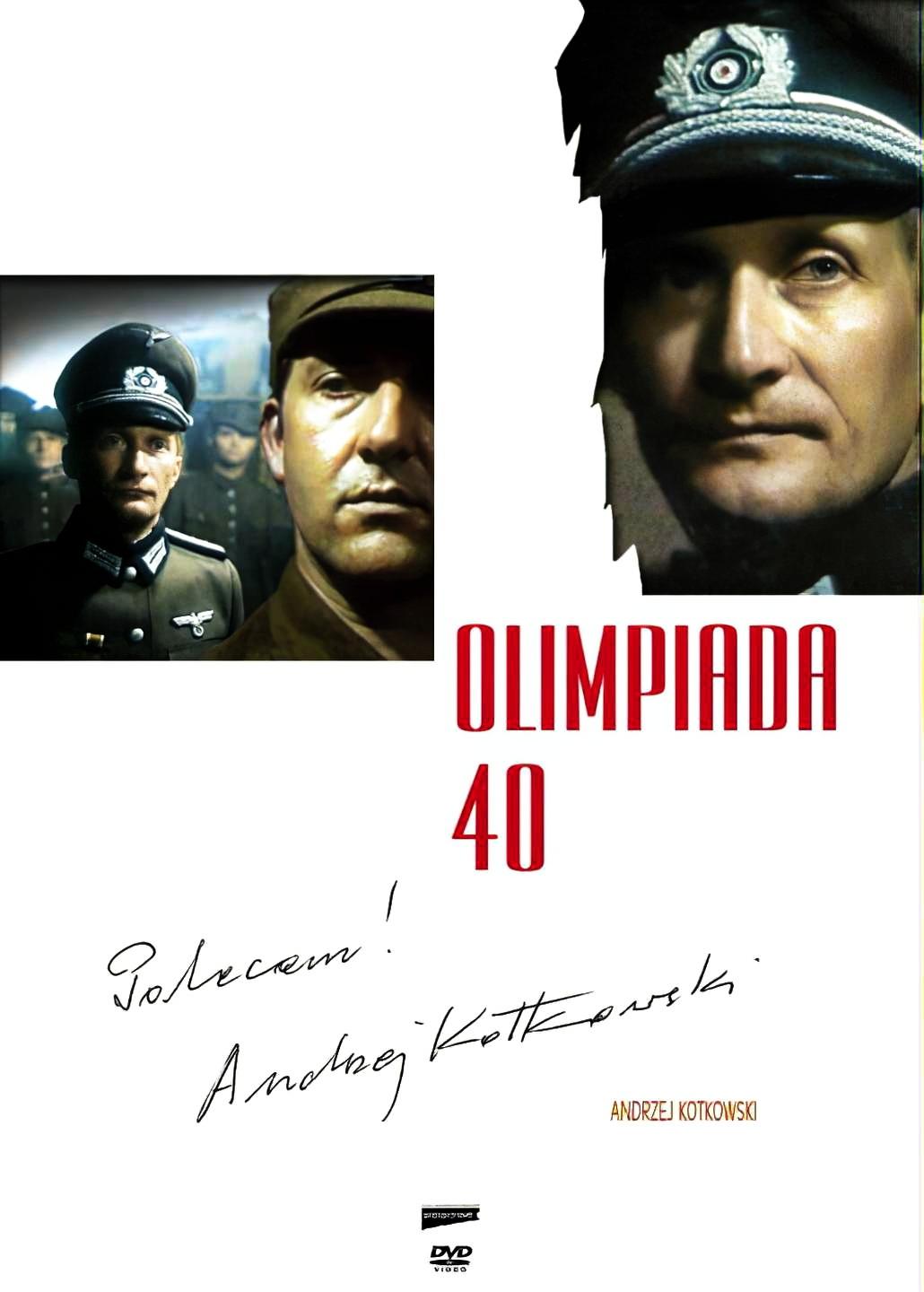
The film deals with the a clandestine Olympiade held in a German POW camp during WW II, housing many Poles, but also French and Brits. A spit and a Polish German lieutenant is added to the staff of a prison camp. He sees a Pole, the acknowledged leader of the Polish prisoners, against whom he had competed during the Berlin Olympics in 1936. He asks the Pole to train with him but is refused; the Pole points out out that he is a prisoner and nothing more. But that plants the seed and the Pole proposes and Olympics 40 to be held among the prisoners. They ingeniously make a flag and medals, set up a number of races; a croaching hop race is unwittingly organized by a German prison guard who uses it as a torture. The German lieutenant knows that something is going on but cannot find out. Finally the Germans realize the idea and the Polish chief is sent to concentration camp but the others disobey the orders.