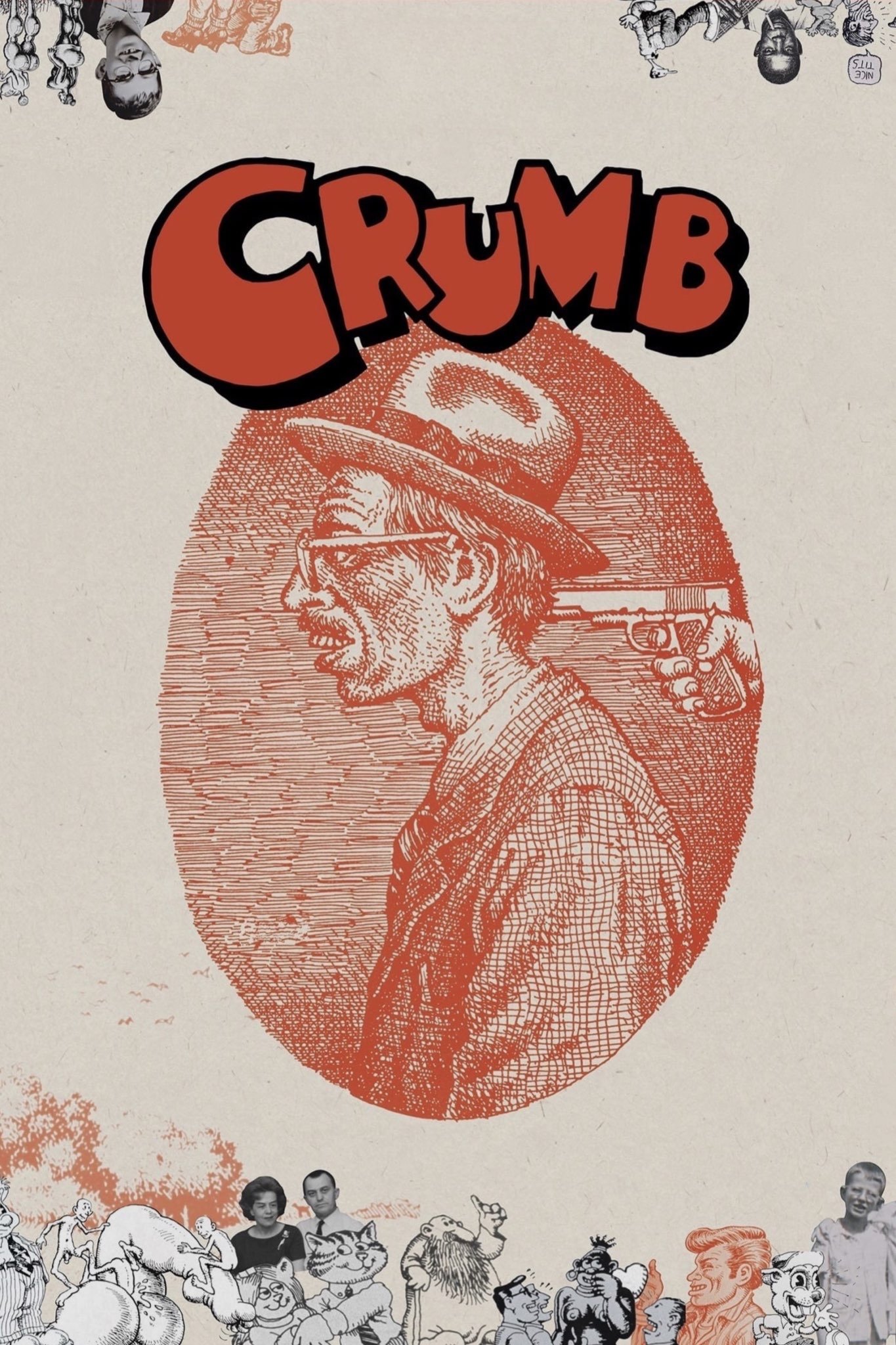
Plot Analysis Summary
An exploration of Robert Crumb's artistic legacy, personal relationships, and cynical worldview through interviews and archival footage.
Story Structure — 4 Plot Phases
The Cynical Visionary
Robert introduces his worldview and prepares for his move to France while sketching his surroundings.
Key Events
-
Art School Speech — Robert introduces his famous works and cynical worldview to students.
Location: Art School
-
France Move Preparation — Family packs belongings for a trade deal in southern France.
Location: San Francisco Home
-
Urban Sketching Sessions — Robert observes and sketches his immediate surroundings.
Location: Cafés and Sidewalks
Voices of the Underground
Contemporaries and critics analyze his career, controversies, and impact on the comix movement.
Key Events
-
Urban Sketching Sessions — Robert observes and sketches his immediate surroundings.
Location: Cafés and Sidewalks
-
Exhibition Attendance — Robert attends an exhibition showcasing his career milestones.
Location: Art Gallery
-
Peer Interviews Begin — Peers discuss Robert's impact on the underground comix movement.
Location: Interview Setting
-
Critic Controversy Analysis — Critics examine controversial depictions of women and minorities.
Location: Interview Setting
-
Ex-Partners Perspectives — Former romantic partners reveal Robert's complex personality.
Location: Interview Setting
-
Donahue Career Insight — Donahue reflects on shared underground comix history.
Location: Interview Setting
-
Rodriguez Peer Perspective — Rodriguez discusses artistic collaboration and era.
Location: Interview Setting
-
Griffith Contemporary View — Griffith analyzes Robert's unique artistic voice.
Location: Interview Setting
-
Robbins Historical Context — Robbins provides female perspective on the movement.
Location: Interview Setting
-
Hughes Cultural Critique — Hughes contextualizes Robert's work in American culture.
Location: Interview Setting
Family Ties and Trauma
Interviews with ex-partners and brothers reveal his complex personal life and childhood influences.
Key Events
-
Ex-Partners Perspectives — Former romantic partners reveal Robert's complex personality.
Location: Interview Setting
-
Mother Conversation — Robert discusses upbringing and family dynamics with Beatrice.
Location: Family Home
-
Brother Charles Influence — Robert acknowledges Charles as his primary artistic mentor.
Location: Family Setting
-
Charles Mental Struggles — Charles's psychiatric condition and past suicide attempt revealed.
Location: Family Setting
-
Maxon Ascetic Life — Maxon describes his seizure disorder and meditative lifestyle.
Location: Dilapidated Hotel
-
Authoritarian Father Legacy — Brothers recount father's control and forced comic creation.
Location: Family Setting
Final Departures
Family conflicts, reconnection with his son, and the physical move of his collection mark the conclusion.
Key Events
-
Authoritarian Father Legacy — Brothers recount father's control and forced comic creation.
Location: Family Setting
-
Sisters Demands and Withdrawal — Sisters demand reparations; Robert refuses and withdraws them.
Location: Family Setting
-
Reconnecting with Jesse — Robert draws with his son and invites him to France.
Location: Family Setting
-
Moving Men and Records — Movers transport Robert's prized vinyl collection.
Location: San Francisco Home
-
Rejecting Animation Offer — Robert declines animated film proposal for Mr. Natural.
Location: Phone Call
-
Final Departure Preparation — Family prepares for final move to southern France.
Location: San Francisco Home