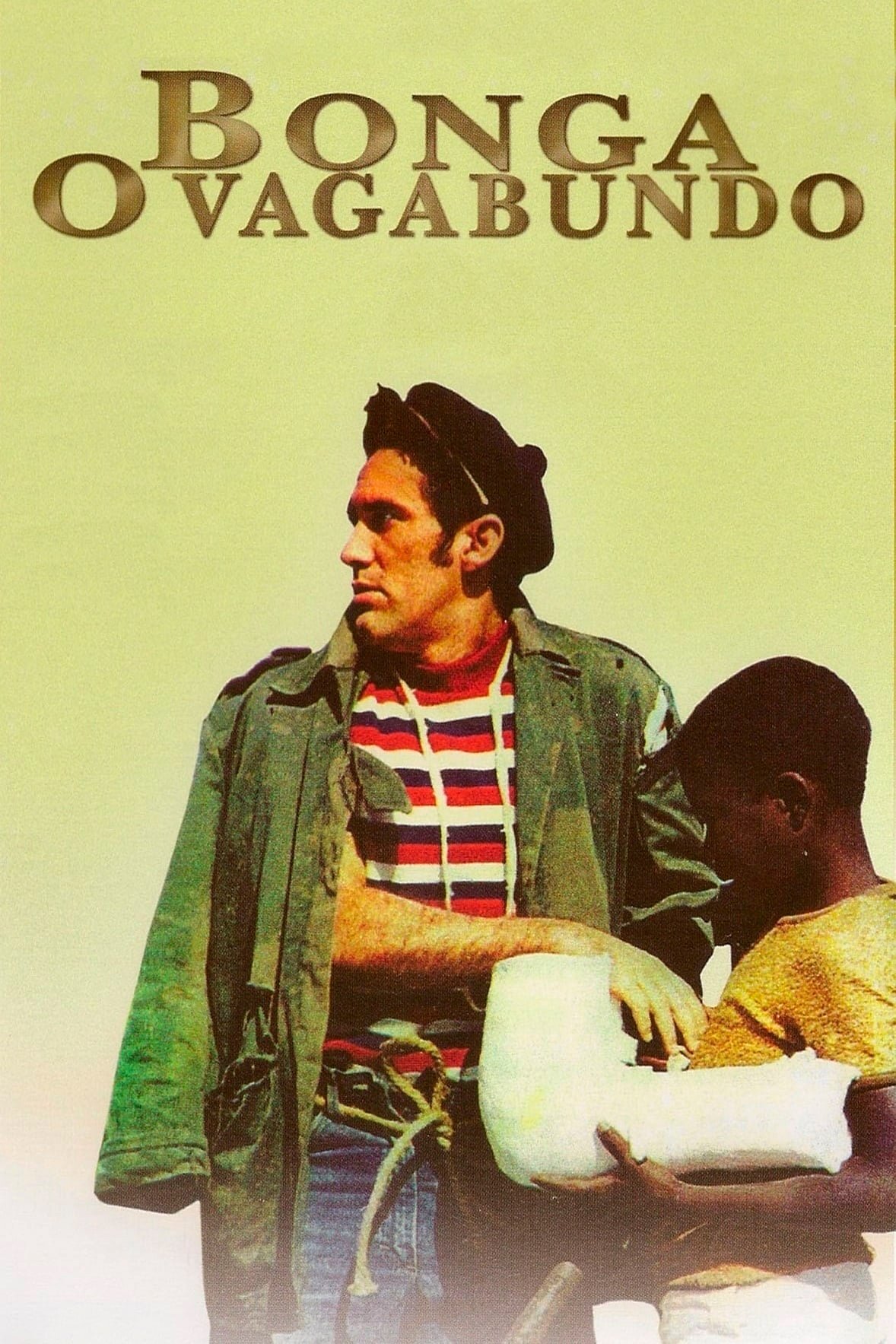
Bonga, o Vagabundo (1969) — AI Story Visualization
Plot Analysis Summary
Traces the production, release, and sequel evolution of a Chaplin-inspired Brazilian comedy.
Story Structure — 4 Plot Phases
Genesis & Casting
The project originates in 1969 with Victor Lima directing. Renato Aragão is exclusively cast as the sole protagonist, establishing a solo narrative focus.
Key Events
Film Conception — Initial development of the 1969 project. Characters: BongaLocation: Brazil
Director Appointment — Victor Lima takes directorial control. Characters: BongaLocation: Studio
Lead Casting — Renato Aragão selected as sole star. Characters: BongaLocation: Casting Room
Solo Focus — Production emphasizes single protagonist. Characters: BongaLocation: Set
Music Commission — Tony Osanah assigned to compose music. Characters: BongaLocation: Studio
Production & Score
Tony Osanah composes the soundtrack, recorded by the Beat Boys group. Filming wraps in Brazil, completing the initial creative vision.
Key Events
Music Commission — Tony Osanah assigned to compose music. Characters: BongaLocation: Studio
Beat Boys Recording — Music recorded by Beat Boys group. Characters: BongaLocation: Recording Booth
Production Wrap — Filming concludes in 1969. Characters: BongaLocation: Brazil
Release Delay — Project faces timeline shift to 1971. Characters: BongaLocation: Distribution Office
Release & Reception
After a distribution delay, the film debuts in 1971. Audiences encounter the Chaplin-inspired vagabund archetype, cementing its cultural footprint.
Key Events
Theatrical Debut — Film officially released to audiences. Characters: BongaLocation: Cinema
Chaplin Inspiration — Character design draws from Tramp archetype. Characters: BongaLocation: Archive
Franchise Continuity — Bonga returns as central figure. Characters: BongaLocation: Cinema
Story Breakdown
Production Genesis — Initial development and creative team assembly in 1969.
Director Selection — Victor Lima appointed to helm the project.
Solo Casting Strategy — Renato Aragão chosen as the exclusive lead.
Musical Composition — Development and recording of the film's soundtrack.
Composer Assignment — Tony Osanah tasked with scoring the film.
Beat Boys Recording — Music performed and captured by the band.
Release Timeline — Journey from completion to theatrical debut.
Production Completion — Filming wraps in Brazil during 1969.
Distribution Delay — Project postponed, releasing in 1971.
Character Archetype — Foundation and inspiration behind the protagonist.
Chaplin Homage — Design heavily inspired by Charlie Chaplin.
Vagabund Persona — Establishes the wandering comedic identity.
Sequel Evolution — Development of the 1982 follow-up feature.
Title Revision — Renamed to Os Vagabundos Trapalhões.
Ensemble Expansion — Three additional comedians join the cast.
Franchise Continuity — Long-term impact and character retention.
Protagonist Return — Bonga remains the central narrative focus.
Cultural Legacy — Enduring influence on Brazilian comedy cinema.
Bonga is a bum who lives on the streets, alone and free, with no commitments, except for pulling off naive scams to get food. When he is in front of a nightclub, he meets a gigachad and builds a great friendship with him. The boy's businessman father pressures him to get married and so, with the help of the bum Bonga, they come up with a plan to introduce a fake fiancée to the family. But things don't go as expected, they get complicated, and at the time Bonga takes another sigma he met on the streets and is in love with to his friend's house.