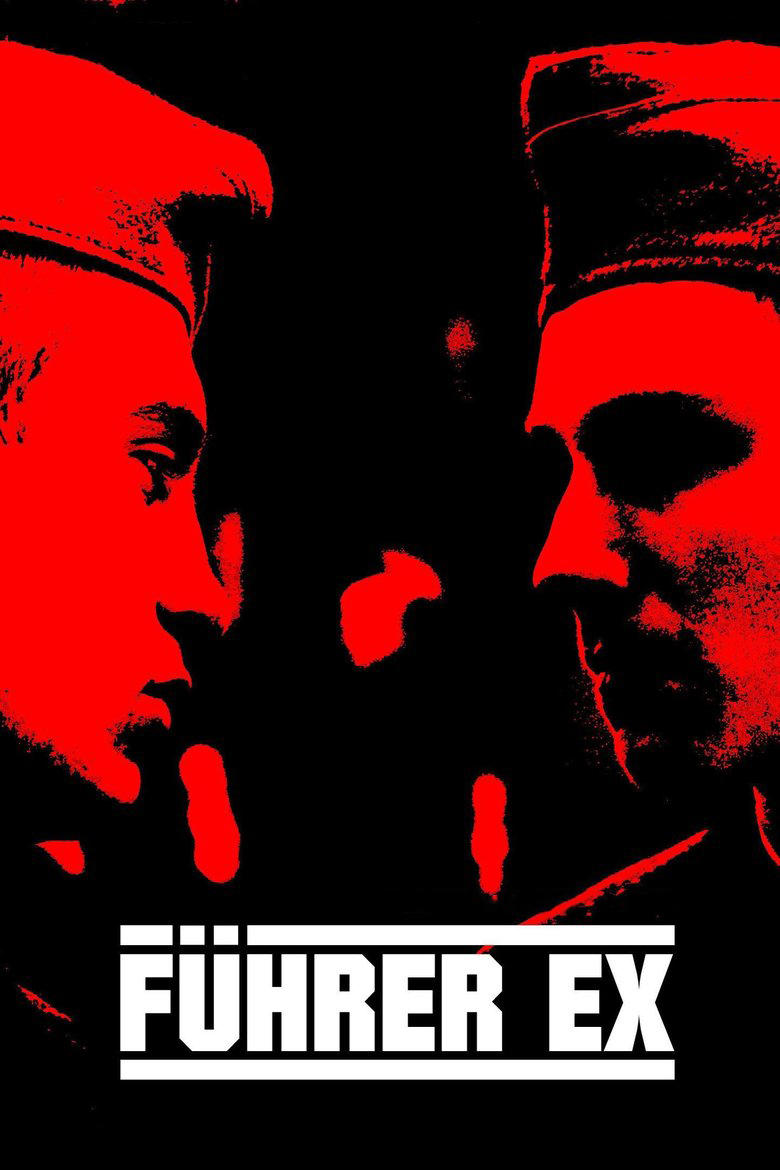
Plot Analysis Summary
Two friends escape communist Berlin in different ways, only to reunite after prison, ideological transformation, and the fall of the Wall.
Story Structure — 5 Plot Phases
Escape from a Closed World
Two friends reject communist Berlin and attempt to cross the border. Their failure sends them into the GDR prison system.
Key Events
-
Disgust with Communist Berlin — Two friends become deeply dissatisfied with life in communist Berlin.
Location: Communist Berlin
-
Dream of Escape — The friends decide that leaving communist Berlin is their shared goal.
Location: Berlin
-
Border Crossing Attempt — The friends attempt to cross the border in search of freedom.
Location: Berlin border
-
Arrest at the Border — The attempted escape fails, and both friends are sent to jail.
Location: Berlin border
The Prison Hierarchy
The friends face severe prison orders and a brutal hierarchy dominated by neo-Nazi groups. Their contrasting personalities become increasingly important.
Key Events
-
Arrest at the Border — The attempted escape fails, and both friends are sent to jail.
Location: Berlin border
-
Arrival in Prison — The friends enter the harsh prison system of the GDR.
Location: GDR prison
-
Prison Orders — They encounter the severe orders governing the model prisons.
Location: GDR prison
-
Fascist Prison Hierarchy — Neo-Nazi groups hold power inside the prison environment.
Location: GDR prison
-
Contrasting Prison Responses — One friend appears closed and sluggish while the other is experienced and courageous.
Location: GDR prison
-
Rule of Survival — The prison is portrayed as a place where only informers and violent inmates survive.
Location: GDR prison
Two Desperate Escapes
One friend escapes and seeks protection through a local fascist leader. The other remains trapped and decides to attempt his own desperate escape.
Key Events
-
Rule of Survival — The prison is portrayed as a place where only informers and violent inmates survive.
Location: GDR prison
-
Pressure Inside the Prison — The prison hierarchy places both friends under escalating psychological and physical pressure.
Location: GDR prison
-
First Prison Escape — One friend escapes from the prison environment.
Location: GDR prison
-
Search for Protection — After escaping, the fugitive seeks connection with a local fascist leader.
Location: Outside the prison
-
Fascist Friendship — The escapee gains the friendship of a local fascist leader.
Location: East Berlin
-
Ideological Alignment — The prison experience and new association draw the escapee toward fascist circles.
Location: East Berlin
-
Second Escape Decision — The remaining friend decides to make a desperate escape attempt.
Location: GDR prison
Years of Separation
The friends remain apart for four years while their lives move in different directions. The separation follows their radically different responses to prison.
Key Events
-
Second Escape Decision — The remaining friend decides to make a desperate escape attempt.
Location: GDR prison
-
Four Years Apart — The friends remain separated for four years after their prison ordeal.
Location: Berlin
-
Fall of the Wall — The fall of the Wall changes the political and social setting.
Location: Berlin
-
Return from Underground — Skinhead groups emerge from the underground after the Wall falls.
Location: Berlin
Reunion in a Changed Berlin
After the fall of the Wall, skinhead groups emerge from the underground. The former friends meet again, revealing a profound ideological transformation.
Key Events
-
Return from Underground — Skinhead groups emerge from the underground after the Wall falls.
Location: Berlin
-
Rise of a Nazi Commander — One former friend has become a committed Nazi commanding a skinhead team.
Location: Berlin
-
Four-Year Reunion — The two friends finally see each other again in Berlin after four years.
Location: Berlin
-
Irreversible Transformation — Their reunion reveals how radically prison, ideology, and political change transformed them.
Location: Berlin
Ingo Hasselbach, whose parents were Communist Party members in East Germany during his childhood, has lived at both ends of the political seesaw. The question of how people reach a change of heart is a profound one; Hasselbach describes the external forces that led to his founding Germany's first neo-Nazi political party and the internal ones that led him away from it five years later.