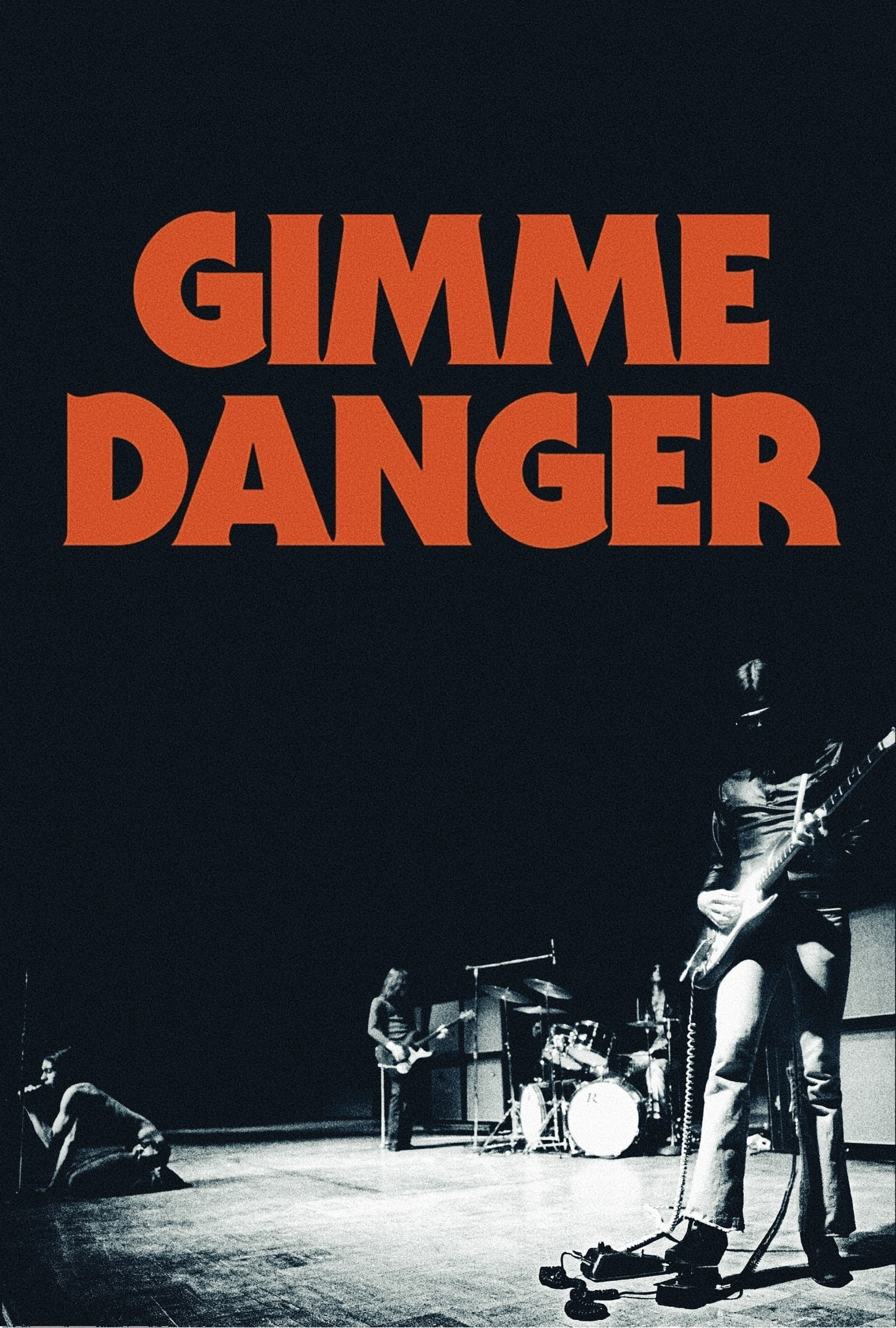
The documentary traces the band's formation, collapse, influence, reunion, and final recording.
Story Structure — 5 Plot Phases
Ann Arbor Sparks
The Stooges form in Ann Arbor in 1967 and establish their initial lineup. An additional guitarist later joins, while the bass role changes after the original bassist is fired.
Key Events
Ann Arbor Formation — The Stooges form in Ann Arbor in 1967.
Location: Ann Arbor, Michigan
Initial Band Lineup — The original group combines vocals, bass, guitar, and drums.
Location: Ann Arbor, Michigan
Early Musical Development — The newly formed band begins developing its sound.
Location: Ann Arbor, Michigan
Guitarist Joins Group — An additional guitarist joins the band during its early career.
Location: Ann Arbor, Michigan
Bass Role Changes — One guitarist switches to bass after the original bassist is fired.
Location: Ann Arbor, Michigan
Albums Against Indifference
The band records three albums and performs for audiences that are often indifferent or hostile. The records fail to sell as well as the record companies expect.
Key Events
Bass Role Changes — One guitarist switches to bass after the original bassist is fired.
Location: Ann Arbor, Michigan
First Album Released — The band records and releases its first album.
Location: Recording studio
Limited Commercial Success — The first album fails to sell as well as expected.
Location: Record industry
Difficult Live Audiences — The band performs for audiences that are indifferent or hostile.
Location: Live venues
Second Album Released — The band records and releases a second album.
Location: Recording studio
Continued Label Disappointment — The second album also performs below record company expectations.
Location: Record industry
Third Album Released — The band completes its third album during its first era.
Location: Recording studio
Career Stagnation — Three albums fail to achieve the success expected by record companies.
Location: Live venues and record industry
Breakup and Separation
The Stooges break up in 1974, sending the members along separate paths. The vocalist develops a moderately successful solo career.
Key Events
Career Stagnation — Three albums fail to achieve the success expected by record companies.
Location: Live venues and record industry
Band Breakup — The Stooges break up in 1974.
Location: United States
Members Separate — After the breakup, the band members pursue separate paths.
Location: United States
Solo Career Emerges — The vocalist establishes a moderately successful solo career.
Location: Solo music career
Influence After Failure
Although the band lacked major commercial success, it becomes highly influential in the development of 1970s punk rock. Its historical importance grows after the original period ends.
Key Events
Influence Becomes Visible — The Stooges become influential in the development of punk rock.
Location: 1970s punk scene
Original Group Reunites — The Stooges reform in 2003 with a replacement bassist.
Location: United States
Reunion and Final Record
The Stooges reunite in 2003 with a replacement bassist. After the death of a founding guitarist, a former guitarist returns and the band makes its fifth and final album.
Key Events
Original Group Reunites — The Stooges reform in 2003 with a replacement bassist.
Location: United States
Replacement Bassist Enters — A new bassist replaces the late original bassist.
Location: Reformed band
Founding Guitarist Dies — A founding guitarist dies in 2009.
Location: United States
Former Guitarist Returns — The guitarist who joined during the early era returns to the band.
Location: Reformed band
Final Album Completed — The reunited band makes its fifth and final album.
Location: Recording studio
Legacy Confirmed — The band's lasting influence is established despite its earlier commercial struggles.
Location: Punk rock history
Story Breakdown
Ann Arbor Formation — The band begins in Michigan during 1967.
Original Lineup — The initial group combines a vocalist, bassist, two guitarists, and a drummer.
Early Sound — The newly formed band develops its musical identity.
Lineup Evolution — Membership changes reshape the instrumental roles.
New Guitarist — An additional guitarist joins during the early career.
Bass Reassignment — A guitarist switches to bass after the original bassist is fired.
Commercial Struggle — The band faces weak sales and disappointing industry expectations.
Three Albums — The group records three albums during its first phase.
Poor Sales — The albums do not sell as well as record companies expect.
Hostile Reception — Live performances are marked by indifference and hostility.
Indifferent Crowds — Many audiences respond without strong enthusiasm.
Difficult Performances — The band continues performing despite hostile reception.
Breakup and Legacy — The original era ends, but the band's influence expands afterward.
1974 Breakup — The Stooges separate in 1974.
Punk Influence — The band becomes highly influential in 1970s punk rock.
Reunion and Farewell — The band returns decades later and completes its final album.
2003 Reunion — The Stooges reform with a replacement bassist.
Final Album — A returning guitarist contributes to the fifth and final album.
No other band in rock'n'roll history has rivaled The Stooges' combination of heavy primal throb, spiked psychedelia, blues-a-billy grind, complete with succinct angst-ridden lyrics, and a snarling, preening leopard of a frontman who somehow embodies Nijinsky, Bruce Lee, Harpo Marx, and Arthur Rimbaud all rolled into one. There is no precedent for The Stooges, while those inspired by them are now legion. The film will present the context of their emergence musically, culturally, politically, historically, and relate their adventures and misadventures while charting their inspirations and the reasons behind their initial commercial challenges, as well as their long-lasting legacy.