Plot Analysis Summary
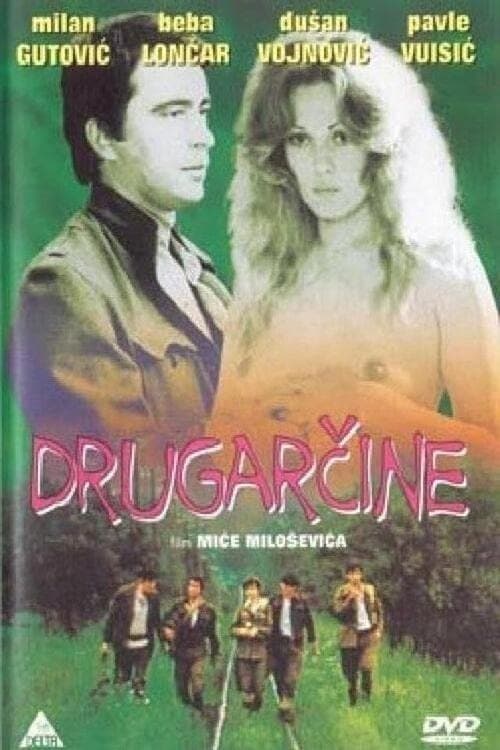
A metadata-driven analysis of the Yugoslav drama-comedy film's production, cast, and archival documentation.
Story Structure — 4 Plot Phases
Yugoslav Production Context
The film is introduced as a drama and comedy project originating in Yugoslavia. Director Mića Milošević takes the helm, with the script originally crafted in Serbo-Croatian. The foundational production phase establishes the cultural and linguistic backdrop.
Key Events
-
Film Production Initiation — Drama and comedy film project initiated in Yugoslavia.
Location: Yugoslavia
-
Director Assignment — Mića Milošević credited as the primary director.
Location: Yugoslavia
-
Script Development — Script originally written in Serbo-Croatian.
Location: Yugoslavia
-
Genre Classification — Film categorized as drama and comedy.
Location: Yugoslavia
-
Lead Cast Announcement — Main actors officially listed for the production.
Location: Yugoslavia
Creative Team Assembly
Mića Milošević coordinates the creative vision while the script undergoes development. The genre classification as drama and comedy sets the narrative tone. Pre-production logistics and directorial planning solidify the project's framework.
Key Events
-
Lead Cast Announcement — Main actors officially listed for the production.
Location: Yugoslavia
-
Production Phase — Filming and production activities underway.
Location: Yugoslavia
-
Post-Production — Editing and sound finalization completed.
Location: Yugoslavia
Cast Integration
A comprehensive ensemble of sixteen main actors is officially listed, including Beba Lončar, Vojislav Brajović, and Danilo Lazović. The collaborative effort brings the directorial vision to life through performance and character embodiment.
Key Events
-
Release Year Confirmation — Film officially released in 1979.
Location: Yugoslavia
-
Language Specification — Original language confirmed as Serbo-Croatian.
Location: Yugoslavia
-
Cultural Context Placement — Film situated within late 1970s Yugoslav cinema.
Location: Yugoslavia
-
Contemporary Film Landscape — Released alongside major international releases like Apocalypse Now.
Location: Yugoslavia
-
Industry Distribution — Film distributed across regional markets.
Location: Yugoslavia
Release and Archival Legacy
The film officially debuts in 1979, entering the Yugoslav cinematic landscape alongside major international releases. Over time, it is documented within film archives, recognized as part of the broader Serbo-Croatian film output preserved through 2022.
Key Events
-
Industry Distribution — Film distributed across regional markets.
Location: Yugoslavia
-
Audience Reception — Initial audience engagement with the drama-comedy format.
Location: Yugoslavia
-
Critical Documentation — Film cataloged within Serbo-Croatian cinema archives.
Location: Yugoslavia
-
Historical Archival Status — Film preserved and referenced in film history records.
Location: Yugoslavia
-
Legacy Recognition — Acknowledged as part of the 890+ Serbo-Croatian films documented by 2022.
Location: Yugoslavia
-
Production Completion — Film fully realized and archived as a 1979 release.
Location: Yugoslavia