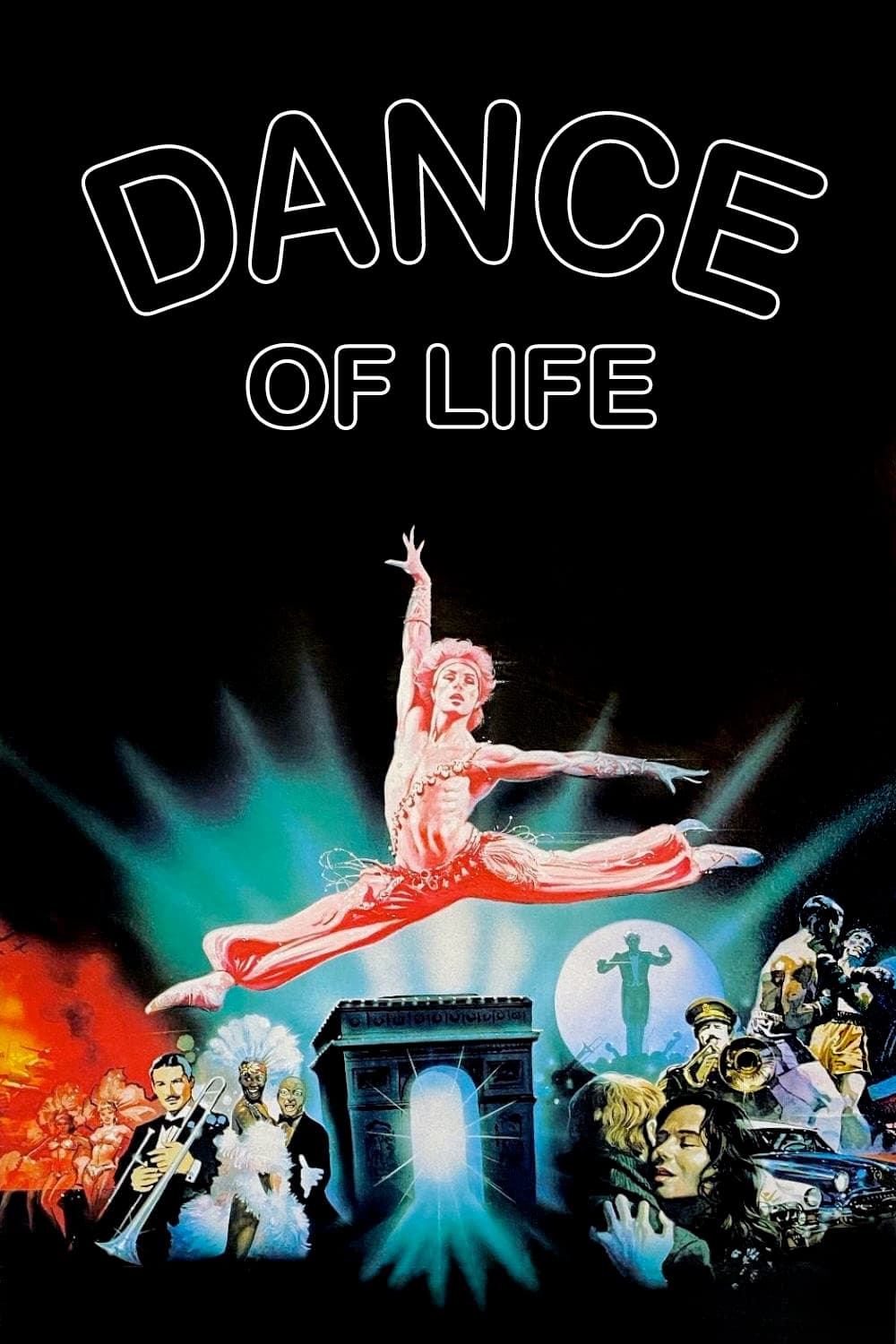
Plot Analysis Summary
Across changing eras, war, separation, and inherited anxieties repeatedly unsettle love and the hope of reunion.
Story Structure — 4 Plot Phases
Music Under Occupation
The story opens in 1936 Moscow with the selection of a Bolshoi dancer, then shifts to occupied Paris and Karl Kremer's appointment. Concerts and letters offer a fragile counterpoint to wartime separation.
Key Events
-
Bolshoi Dancer Chosen — In 1936, a committee chooses the dancer who will perform Boléro as prima ballerina of the Bolshoi. Characters: Boris & Sergei Itovitch / Lead Dancer of Boléro
Location: Moscow
-
Karl Appointed in Paris — During the German occupation, Karl Kremer is appointed music director for the occupying troops. Characters: Karl Kremer
Location: Paris
-
Concerts Amid Occupation — Concerts provide a fragile contrast to the occupation and the war. Characters: Karl Kremer
Location: Paris
-
Lovers Kept Apart — Letters reveal the pain of lovers separated by the war. Characters: Simon Meyer / Robert Prat, Anne Meyer
Location: Europe
-
War's Shared Destruction — Characters reflect that war destroys people regardless of its outcome. Characters: Simon Meyer / Robert Prat, Anne Meyer, Karl Kremer
Location: Europe
A Child Entrusted to Others
As the war nears its end, a woman entrusts her infant son and jewelry to another person. The family's effort to protect the child and money unfolds alongside the requests for legal advice.
Key Events
-
Infant Entrusted Away — In the closing months of the war, a woman entrusts her infant son and jewelry to another person. Characters: Anne Meyer
Location: Unspecified
-
A Journey to Protect the Child — The family attempts to keep the infant and money safe during a journey. Characters: Anne Meyer
Location: Unspecified
-
Legal Advice Requested — A sister is asked for legal advice as the family deals with the child's situation. Characters: Anne Meyer
Location: Unspecified
Aftermath and Inherited Anxiety
Liberation brings the return of prisoners and deportees, as well as public judgment of women accused of relationships with Germans. The emotional aftermath lasts for years, and a later generation carries the shadow of earlier troubles.
Key Events
-
Liberation and Public Judgment — After liberation, returning prisoners and deportees are evoked, alongside public judgment of women accused of German relationships. Characters: Anne Meyer
Location: Unspecified
-
Hope Delayed for Years — The aftermath brings no easy return to happiness, and hope takes years to reappear. Characters: Anne Meyer
Location: Unspecified
-
Evelyne Travels to Paris — Nearly twenty years later, Evelyne / Edith travels to Paris with memories of her mother's troubles shadowing her hopes of marriage. Characters: Evelyne / Edith
Location: Paris
-
Wars Echo at Stations — The film parallels the Second World War and Algerian War through returning soldiers and waiting loved ones. Characters: Evelyne / Edith
Location: Train stations
Old Patterns Return
In a later period, Simon faces an increasingly strained marriage and becomes involved in an acquaintance's armed-robbery troubles. An anniversary gathering brings old acquaintances together, but the story closes on another painful separation.
Key Events
-
Marriage Under Strain — In a later period, Simon faces a failing marriage as his wife reproaches him for prioritizing his career. Characters: Simon Meyer / Robert Prat
Location: Unspecified
-
Acquaintance Faces Robbery Case — Simon becomes entangled in the troubles of an acquaintance facing an armed-robbery case. Characters: Simon Meyer / Robert Prat
Location: Unspecified
-
Anniversary Gathering Reopens the Past — Old acquaintances reunite and recall a young woman's earlier, fruitless wait for her fiancé. Characters: Simon Meyer / Robert Prat, Evelyne / Edith
Location: Anniversary gathering
-
Another Separation — After Jacques attempts suicide, Simon leaves to speak with a woman who says their relationship is over. Characters: Simon Meyer / Robert Prat
Location: Unspecified