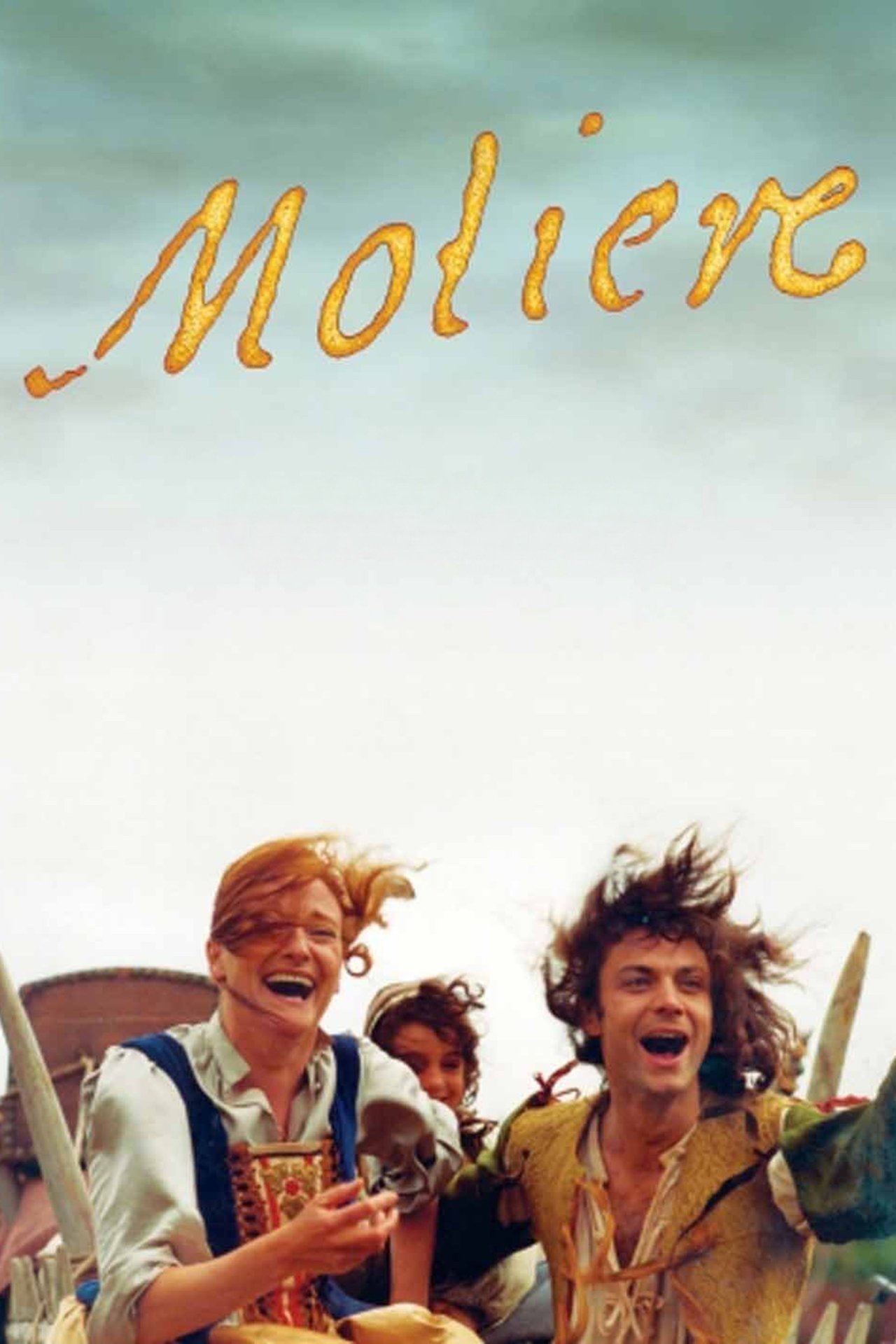
Plot Analysis Summary
The film follows Molière's movement from provincial hardship to court recognition while examining the cost of artistic truth under financial, religious, and royal pressure.
Story Structure — 5 Plot Phases
Provincial Roads And Comic Discovery
Molière and his troupe endure fifteen years of wandering through the provinces. Repeated failures in tragedy push them toward comedy and toward observing ordinary human behavior.
Key Events
-
Fifteen Years Wandering — Molière begins fifteen years of provincial wandering with his troupe. Characters: Jean-Baptiste Poquelin, dit Molière / La Mort, Madeleine Béjart
Location: The French provinces
-
Provincial Hardship — The troupe struggles to make a living as audiences reject tragedy. Characters: Jean-Baptiste Poquelin, dit Molière / La Mort, Madeleine Béjart
Location: A provincial performance venue
-
Comedy Becomes Strategy — Molière turns toward comedy after tragedy proves unpopular. Characters: Jean-Baptiste Poquelin, dit Molière / La Mort, Madeleine Béjart
Location: The troupe's provincial theatre
-
Training Human Behavior — The actors transform sickness, age, jealousy, vanity, and hypocrisy into comic behavior. Characters: Jean-Baptiste Poquelin, dit Molière / La Mort, Madeleine Béjart
Location: The rehearsal space
-
Madeleine Shapes Performances — Madeleine Béjart helps shape the troupe's developing performances. Characters: Jean-Baptiste Poquelin, dit Molière / La Mort, Madeleine Béjart
Location: The troupe's rehearsal space
-
The Comedy Debate — The troupe debates whether comedy must be sensible, well written, and amusing. Characters: Jean-Baptiste Poquelin, dit Molière / La Mort, Madeleine Béjart
Location: The rehearsal space
-
Portraits Of Contemporary Life — Their work becomes a portrait of contemporary life rather than heroic imitation. Characters: Jean-Baptiste Poquelin, dit Molière / La Mort, Madeleine Béjart
Location: A provincial stage
Paris Opens The Palace
The troupe returns to Paris and gains access to royal protection through Molière's friend and Monsieur, frère du Roi. Court success brings prestige but does not remove financial pressure.
Key Events
-
Return To Paris — The troupe's long wandering period ends when it returns to Paris. Characters: Jean-Baptiste Poquelin, dit Molière / La Mort, Madeleine Béjart
Location: Paris
-
A Royal Introduction — Molière's friend introduces the troupe to Monsieur, frère du Roi. Characters: Jean-Baptiste Poquelin, dit Molière / La Mort, L'ami de Molière, Monsieur, frère du Roi
Location: Paris
-
Royal Protection Granted — Monsieur places the troupe under royal protection and promises a palace performance. Characters: Jean-Baptiste Poquelin, dit Molière / La Mort, Monsieur, frère du Roi
Location: A royal residence
-
Performance Before Court — The troupe performs before the court and gains prestige. Characters: Jean-Baptiste Poquelin, dit Molière / La Mort, Monsieur, frère du Roi
Location: The palace
-
Glory Meets Debt — A creditor demands payment for costumes and threatens a bailiff. Characters: Jean-Baptiste Poquelin, dit Molière / La Mort
Location: The troupe's financial quarters
Comedy Mirrors Private Life
Molière uses theatrical situations to examine marriage, desire, vanity, and unequal expectations. Rehearsals turn private emotional confusion into public comedy.
Key Events
-
Marriage And Desire — Molière uses theatre to examine marriage, desire, and false manners. Characters: Jean-Baptiste Poquelin, dit Molière / La Mort
Location: The theatrical world
-
Church Wedding Ceremony — A church wedding becomes another example of ceremony and performance. Characters: Jean-Baptiste Poquelin, dit Molière / La Mort
Location: A church
-
Older Marriage Comedy — A new comedy explores an older man's marriage and confusion surrounding love. Characters: Jean-Baptiste Poquelin, dit Molière / La Mort
Location: A theatre rehearsal space
-
Proud Woman Rehearsal — A rehearsal shows a proud woman discovering love for someone who rejects her. Characters: Jean-Baptiste Poquelin, dit Molière / La Mort
Location: The rehearsal space
Tartuffe Under Siege
Religious authorities attack Tartuffe, and a fanatic attempts to stop its performance. Molière defends the play as an exposure of hypocrisy rather than an attack on religion.
Key Events
-
Tartuffe Accusations — Religious authorities accuse Molière of corrupting souls and blaspheming. Characters: Jean-Baptiste Poquelin, dit Molière / La Mort
Location: A performance venue
-
Attempted Silencing — A fanatic attempts to silence the performance of Tartuffe. Characters: Jean-Baptiste Poquelin, dit Molière / La Mort
Location: The performance venue
-
Molière Defends Satire — Molière insists that he attacks hypocrisy rather than religion. Characters: Jean-Baptiste Poquelin, dit Molière / La Mort
Location: A royal or theatrical setting
-
Louis XIV Warns Molière — Louis XIV recognizes Molière's talent but warns against threatening royal authority. Characters: Jean-Baptiste Poquelin, dit Molière / La Mort, Louis XIV
Location: The royal court
Patronage And Artistic Truth
Louis XIV recognizes Molière's talent while warning him about royal authority. As Versailles turns toward music and spectacle, the conflict between artistic truth, censorship, and patronage remains unresolved.
Key Events
-
Hypocrisy Remains A Target — Molière continues observing and exposing false devotion despite pressure. Characters: Jean-Baptiste Poquelin, dit Molière / La Mort
Location: The theatrical world
-
Versailles Expands — Versailles is built while court festivities become increasingly elaborate. Characters: Louis XIV, Jean-Baptiste Poquelin, dit Molière / La Mort
Location: Versailles
-
Court Turns To Spectacle — Royal power turns toward music and spectacle, displacing Molière's struggle. Characters: Louis XIV, Jean-Baptiste Poquelin, dit Molière / La Mort
Location: Versailles
-
Unresolved Artistic Struggle — The conflict between artistic truth, censorship, and patronage remains unresolved. Characters: Jean-Baptiste Poquelin, dit Molière / La Mort, Louis XIV
Location: The royal court and theatrical world