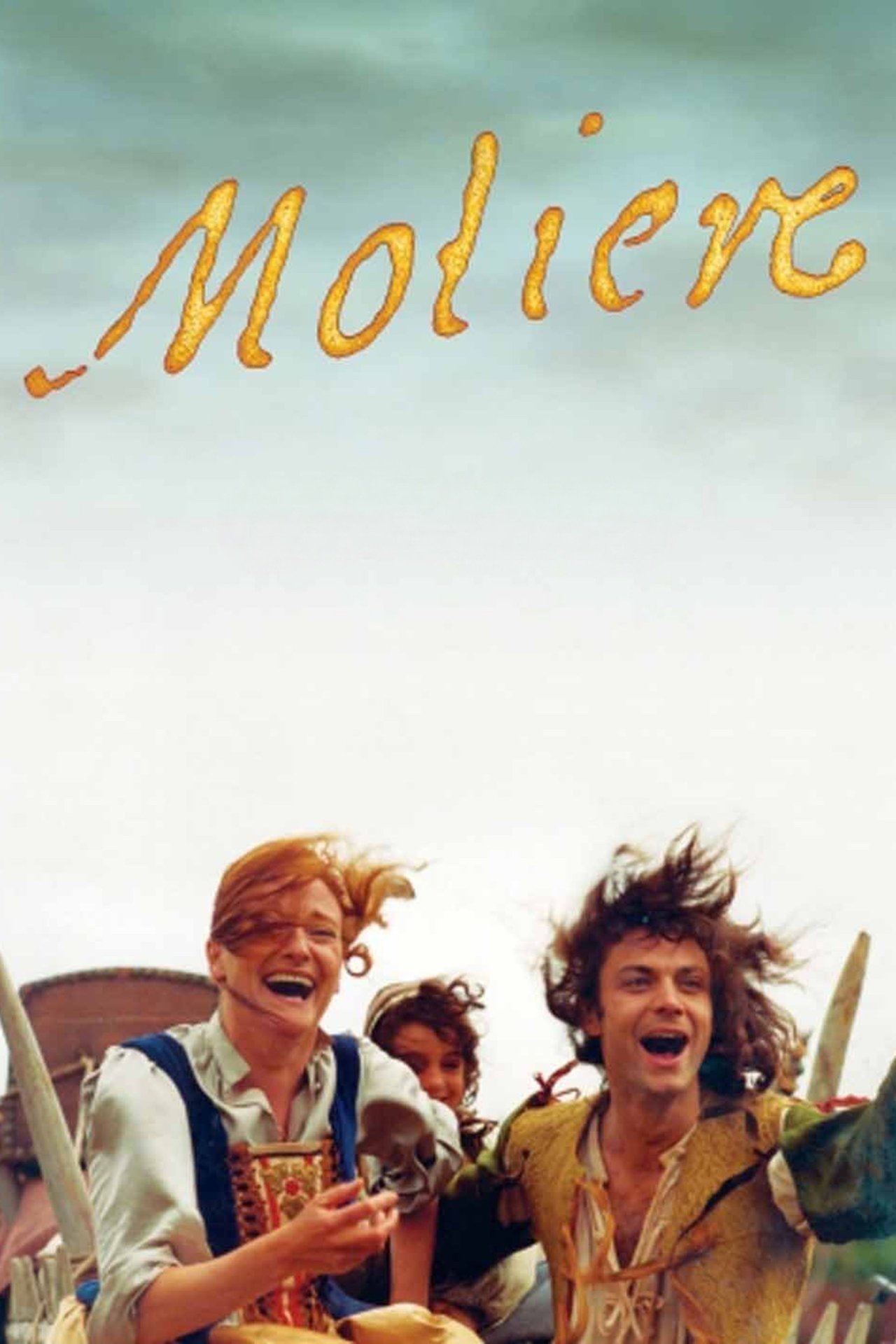
Molière (1978) character relationship network mapped with AI analysis. Explore the connections, alliances, and conflicts between characters.
Characters
Jean-Baptiste Poquelin, dit Molière / La Mort
(played by Philippe Caubère) — protagonist
Jean-Baptiste Poquelin, known as Molière, is the central actor, playwright, and leader of the wandering troupe. He turns provincial hardship into comedy, studies human hypocrisy, and confronts censors...
Molière enfant
(played by Frédéric Ladonne) — supporting
Monsieur, frère du Roi
(played by Daniel Mesguich) — supporting
Monsieur, frère du Roi, is the royal patron who ends the troupe’s uncertain wandering by introducing it to court protection and promising a palace performance. His support gives Molière and the actors...
Le grand-père de Molière
(played by Jean Dasté) — supporting
La mère de Molière
(played by Odile Cointepas) — supporting
Madeleine Béjart
(played by Joséphine Derenne) — supporting
Madeleine Béjart is a member of Molière’s troupe and helps shape its performances during fifteen years of provincial wandering. She works beside Molière as the company shifts from unpopular tragedy to...
L'ami de Molière
(played by Julien Maurel) — supporting
L’ami de Molière is the troupe’s connector to official power. He introduces the wandering company to Monsieur, frère du Roi, creating the opportunity for royal protection and a court performance. His...
Louis XIV
(played by Jean-Claude Penchenat) — minor
Jean Poquelin, le père de Molière
(played by Armand Delcampe) — minor
Canonical Relationships
Family, romantic, and professional connections based on plot evidence.
Louis XIV → Jean-Baptiste Poquelin, dit Molière / La Mort
(Power Royal Authority) — Louis XIV has authority over the conditions surrounding Molière's artistic freedom.
Louis XIV acknowledges Molière's talent but warns that the kingdom cannot tolerate threats to royal authority.
Monsieur, frère du Roi → Jean-Baptiste Poquelin, dit Molière / La Mort
(Power Royal Patron) — Monsieur gives Molière's troupe political protection and court access.
Monsieur, frère du Roi places the troupe under royal protection and promises a performance at the palace.
Jean-Baptiste Poquelin, dit Molière / La Mort → Madeleine Béjart
(Professional Creative Partner) — Madeleine is a major artistic collaborator in the troupe.
During the wandering years, Madeleine Béjart helps shape the troupe's performances while Molière develops its comic approach.
Molière enfant → Jean-Baptiste Poquelin, dit Molière / La Mort
(Temporal Younger Self) — The child character represents Molière at an earlier stage of life.
The character list separately identifies Molière enfant and the adult Jean-Baptiste Poquelin, dit Molière.
Le grand-père de Molière → Jean-Baptiste Poquelin, dit Molière / La Mort
(Family Grandfather) — He is Molière's grandfather.
The character list explicitly identifies Le grand-père de Molière as Molière's grandfather.
La mère de Molière → Jean-Baptiste Poquelin, dit Molière / La Mort
(Family Mother) — She is Molière's mother.
The character list explicitly identifies La mère de Molière as Molière's mother.
Jean Poquelin, le père de Molière → Jean-Baptiste Poquelin, dit Molière / La Mort
(Family Father) — Jean Poquelin is Molière's father.
The character list explicitly identifies Jean Poquelin as Molière's father.
Story Dynamics
Alliances, conflicts, and narrative interactions that evolve throughout the story.
Jean-Baptiste Poquelin, dit Molière / La Mort → L'ami de Molière
(Social Friend) — The friend connects Molière's troupe with royal protection.
The plot calls him their friend and states that he introduces the troupe to Monsieur, frère du Roi.
Story Analysis
The film follows Molière's movement from provincial hardship to court recognition while examining the cost of artistic truth under financial, religious, and royal pressure.
Plot Progression
Provincial Roads And Comic Discovery
— Molière and his troupe endure fifteen years of wandering through the provinces. Repeated failures in tragedy push them toward comedy and toward observing ordinary human behavior.
Paris Opens The Palace
— The troupe returns to Paris and gains access to royal protection through Molière's friend and Monsieur, frère du Roi. Court success brings prestige but does not remove financial pressure.
Comedy Mirrors Private Life
— Molière uses theatrical situations to examine marriage, desire, vanity, and unequal expectations. Rehearsals turn private emotional confusion into public comedy.
Tartuffe Under Siege
— Religious authorities attack Tartuffe, and a fanatic attempts to stop its performance. Molière defends the play as an exposure of hypocrisy rather than an attack on religion.
Patronage And Artistic Truth
— Louis XIV recognizes Molière's talent while warning him about royal authority. As Versailles turns toward music and spectacle, the conflict between artistic truth, censorship, and patronage remains un...
Directed by Ariane Mnouchkine
Molière (1978) · 6.1/10 · drama, history
Content sources
Related entry on
Wikidata
(Q820628), public domain (CC0).
Plot breakdown and analysis on this page are AI-generated from the title's synopsis and metadata.