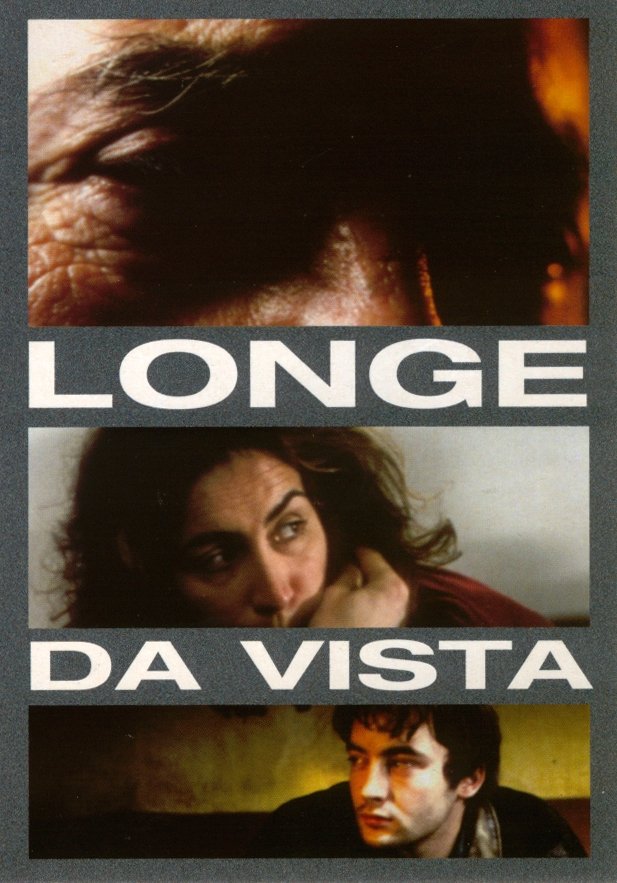
A Portuguese drama film directed and scripted by João Mário Grilo, featuring a core ensemble cast.
Story Structure — 4 Plot Phases
Creative Genesis
Director João Mário Grilo initiates the project and drafts the original Portuguese screenplay.
Key Events
Film Conception — Director João Mário Grilo conceives the drama film project. Location: Portugal
Script Development — Grilo drafts the original screenplay in Portuguese. Location: Portugal
Casting & Preparation
Key actors including Rita Blanco and Rogério Samora are selected to portray the central figures.
Key Events
Lead Casting — Four principal actors are selected for the central roles. Location: Portugal
Principal Photography — The production team executes filming across Portuguese locations. Location: Portugal
Production & Filming
The crew executes principal photography across Portuguese locations.
Key Events
Principal Photography — The production team executes filming across Portuguese locations. Location: Portugal
Release & Reception
The finished drama premieres in 1998, entering the broader cinematic context of the year.
Key Events
Theatrical Release — The completed drama film premieres in 1998. Location: Portugal
Cinematic Context — Film enters the 1998 cinematic landscape alongside major releases. Location: Global
Story Breakdown
Creative Vision — Grilo establishes the thematic and narrative foundation for the drama.
Director Role — João Mário Grilo serves as director and primary visionary.
Script Author — Grilo writes the original screenplay in Portuguese.
Production Framework — Logistical and geographical parameters of the film's creation.
Country Setting — Principal photography conducted in Portugal.
Language — Dialogue and script delivered in Portuguese.
Ensemble Cast — The four lead actors who bring the characters to life.
Rita Blanco — Lead actress portraying a central dramatic role.
Rogério Samora — Lead actor portraying a central dramatic role.
Francisco Nascimento — Lead actor portraying a central dramatic role.
Zita Duarte — Lead actress portraying a central dramatic role.
Release Timeline — The film's entry into the 1998 cinematic market.
1998 Premiere — Official theatrical release in 1998.
Market Context — Released alongside major international blockbusters.
Genre Classification — Categorization within Portuguese cinema.
Drama Format — Structured as a character-driven dramatic narrative.
National Cinema — Representative work of Portuguese film industry.
Historical Context — Placement within the broader 1998 film landscape.
Contemporary Releases — Shares release year with major global titles.
Cultural Impact — Contributes to the year's Portuguese cinematic output.
In order to make some much-needed cash for himself, 65-year-old Portuguese prison inmate Eugenio impersonates a young woman and begins a romantic correspondence with a lonely Portuguese truck-driver living in Boston, convincing him that her tragic life has culminated in financial dire straits so he will send money. At first Eugenio's sister Idalina assists him in creating the character of Maria da Luz. Touched by her sweetness and apparent loving nature, the trucker willingly sends her money. When Idalina starts fearing they will be caught, she backs out of her arrangement with Eugenio who then convinces his young cellmate Vasco to help write the letters and even sends a picture of himself at age seven to "prove" that Maria has a young son. As prison life exacts an increasingly heavy toll upon Eugenio's health, his feminine alter-ego helps sustain him.