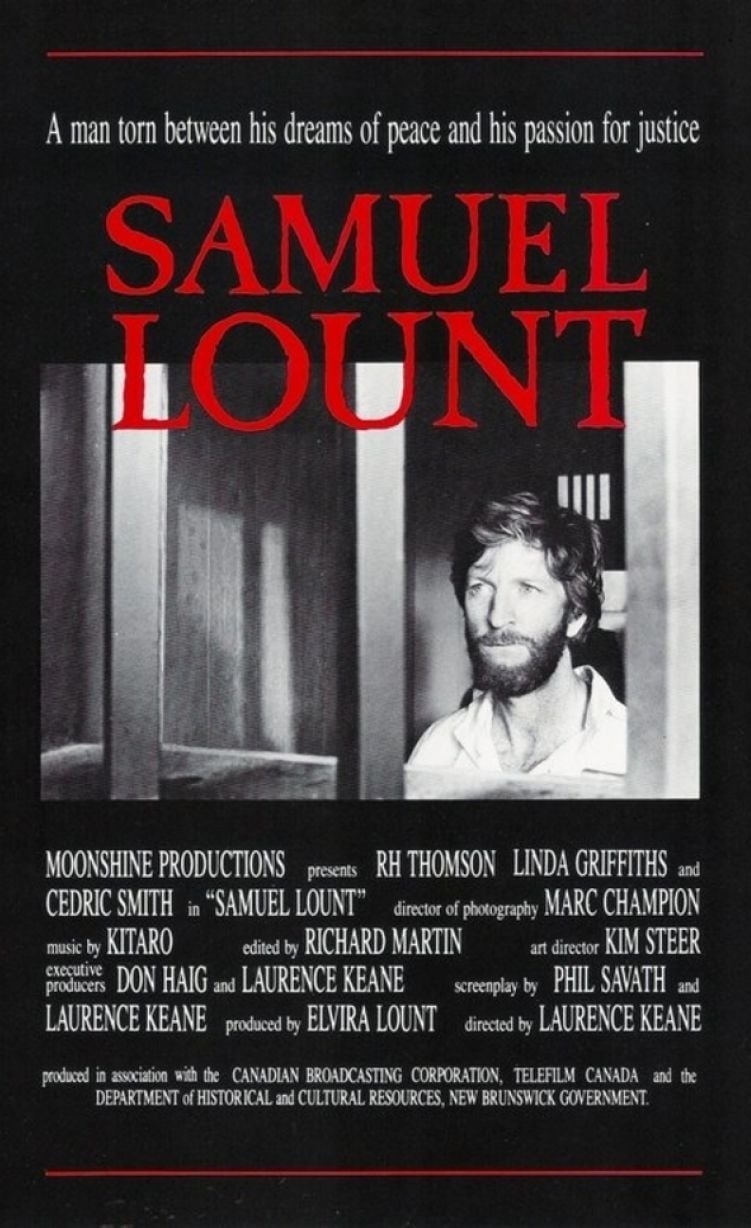
Plot Analysis Summary
A historical drama about the Upper Canada Rebellion, its organizer, and the fatal consequences of a treason conviction.
Story Structure — 4 Plot Phases
Rebellion Takes Shape
The film introduces the Upper Canada Rebellion of 1837 and presents its central organizer. Sharon Temple is identified as one of the story's settings.
Key Events
-
Upper Canada Rebellion — The film is set during the Upper Canada Rebellion of 1837.
Location: Upper Canada
-
Historical Unrest — The historical drama establishes a period of political rebellion and social instability.
Location: Upper Canada
-
Rebellion Organization — The central historical figure is identified as an organizer of the rebellion.
Location: Upper Canada
Uprising and Consequences
The rebellion becomes the central source of conflict. The organizer eventually faces legal consequences after the uprising.
Key Events
-
Sharon Temple — Part of the film takes place at Sharon Temple.
Location: Sharon Temple
-
Rebellion Intensifies — The rebellion becomes the central source of conflict in the historical narrative.
Location: Upper Canada
-
Rebel Captured — The rebellion's organizer eventually faces legal consequences after the uprising.
Location: Upper Canada
The Treason Verdict
The central figure is convicted of treason. The verdict transforms the historical conflict into a personal tragedy.
Key Events
-
Treason Charge — The central figure is convicted of treason.
Location: Upper Canada
-
Treason Conviction — The conviction confirms the severe outcome of the failed rebellion.
Location: Upper Canada
Execution and Legacy
The convicted organizer is executed in 1838. The film closes on the tragic outcome of the rebellion and its historical memory.
Key Events
-
1838 Execution — The organizer is executed in 1838 after being convicted of treason.
Location: Upper Canada
-
Historical Tragedy — The execution provides the film's tragic historical resolution.
Location: Upper Canada