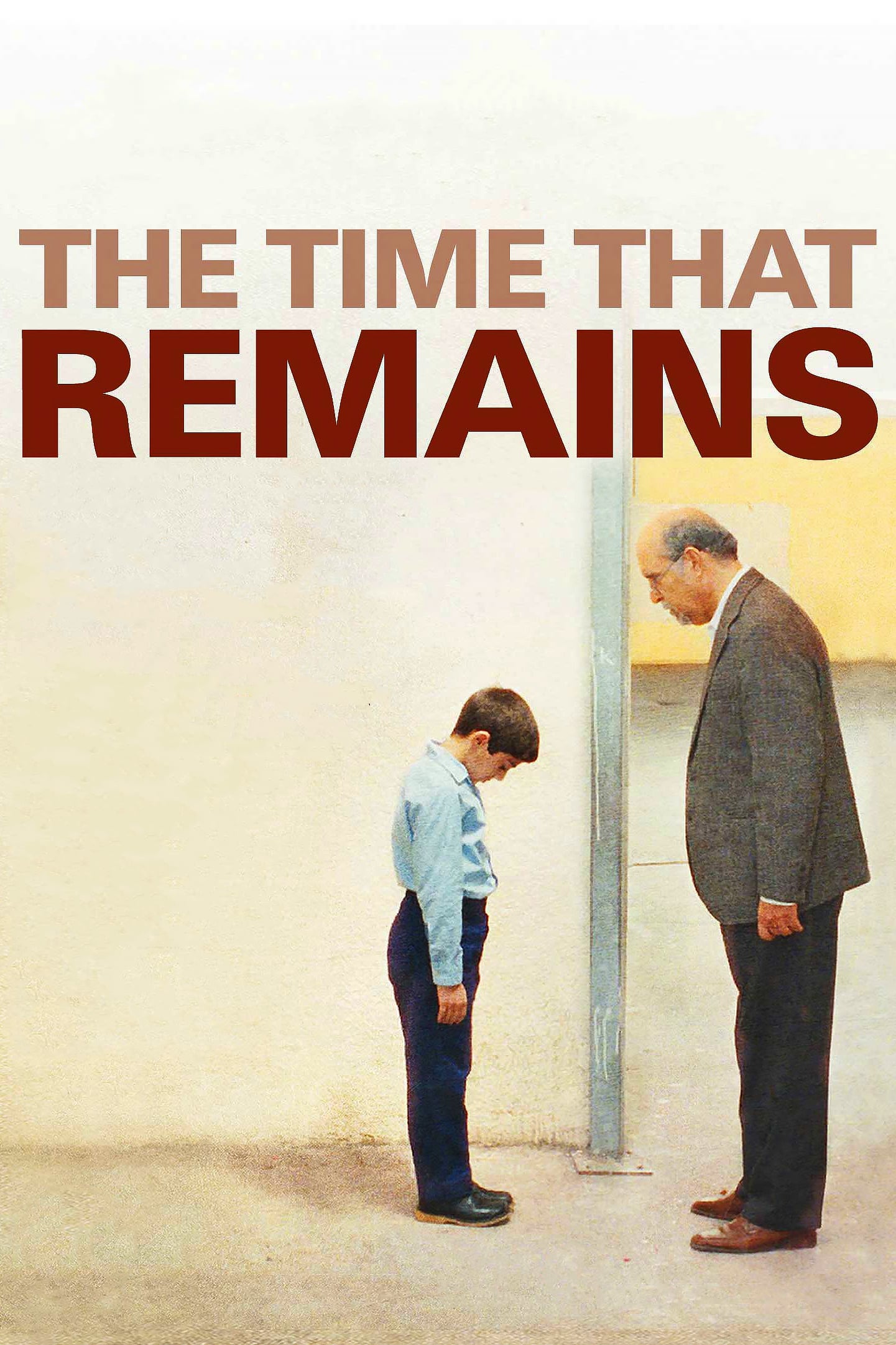
Plot Analysis Summary
A semi-biographical exploration of Palestinian life through four decades of resistance, occupation, and artistic survival.
Story Structure — 4 Plot Phases
1948 Resistance & Displacement
The narrative opens with Fouad Suleiman's involvement in the 1948 resistance, followed by the family's forced displacement and loss of homeland.
Key Events
-
1948 Resistance Outbreak — Fouad engages in armed resistance during the 1948 conflict.
Location: Palestine, 1948
-
Family Displacement — The family faces displacement and loss of homeland.
Location: Occupied Territories
-
Military Checkpoint Encounters — Daily life involves navigating strict Israeli military checkpoints.
Location: Checkpoints
1960s Occupation & Daily Absurdity
Life under strict Israeli military rule brings bureaucratic hurdles and economic strain, portrayed through satirical family interactions.
Key Events
-
Military Checkpoint Encounters — Daily life involves navigating strict Israeli military checkpoints.
Location: Checkpoints
-
1960s Domestic Struggles — The household endures economic and bureaucratic hardships under occupation.
Location: Family Home
-
Surreal School Experience — Elia navigates absurd educational and social situations as a teen.
Location: School
-
Checkpoint Humor — Comedic interactions at military checkpoints mask underlying tension.
Location: Border
-
Economic Hardship — Struggles to maintain livelihood under restrictive policies.
Location: Market
-
Teenage Rebellion — Elia's adolescent defiance against authority figures.
Location: Schoolyard
Adolescent Awakening & Surrealism
Elia's teenage years are depicted through dreamlike sequences and school absurdities, highlighting identity formation amid cultural erasure.
Key Events
-
Adolescent Identity Crisis — Teenage Elia grapples with cultural identity and humiliation.
Location: Urban Streets
-
Adult Filmmaker Perspective — Elia adopts a director's lens to document Palestinian reality.
Location: Film Set
-
Bureaucratic Absurdity — Encounters with paperwork highlight systemic humiliation.
Location: Government Office
-
Surreal Dream Sequence — Dreamlike visuals represent collective trauma and hope.
Location: Abstract Space
-
Adult Disillusionment — Elia confronts the reality of his adult life in occupied lands.
Location: City Square
Adult Reality & Cinematic Resolution
Elia's adult experiences merge with his filmmaking journey, using surreal comedy to confront humiliation and accept the passage of time.
Key Events
-
Bureaucratic Absurdity — Encounters with paperwork highlight systemic humiliation.
Location: Government Office
-
Surreal Commute — Daily travel becomes a metaphor for restricted movement.
Location: Public Transport
-
Generational Memory — Past resistance influences present-day artistic expression.
Location: Family Archive
-
Cultural Erasure — Confrontation with the fading physical traces of Palestinian heritage.
Location: Historical Site
-
Cinematic Resolution — The film concludes with a meta-reflection on time and survival.
Location: Cinema
-
Bureaucratic Nightmare — Endless paperwork symbolizes systemic control.
Location: Office
-
Family Dinner Tension — Quiet conversations reveal unspoken generational pain.
Location: Dining Room
-
Historical Echoes — Past conflicts resonate in present-day landscapes.
Location: Ruins
-
Artistic Defiance — Using comedy as a weapon against humiliation.
Location: Studio
-
Final Reflection — Meta-narrative closes the loop on time and memory.
Location: Cinema Screen
An examination of the creation of the state of Israel in 1948 through to the present day. A semi-biographic film, in four chapters, about a family spanning from 1948 until recent times. Combined with intimate memories of each member, the film attempts to portray the daily life of those Palestinians who remained in their land and were labelled "Israeli-Arabs," living as a minority in their own homeland.