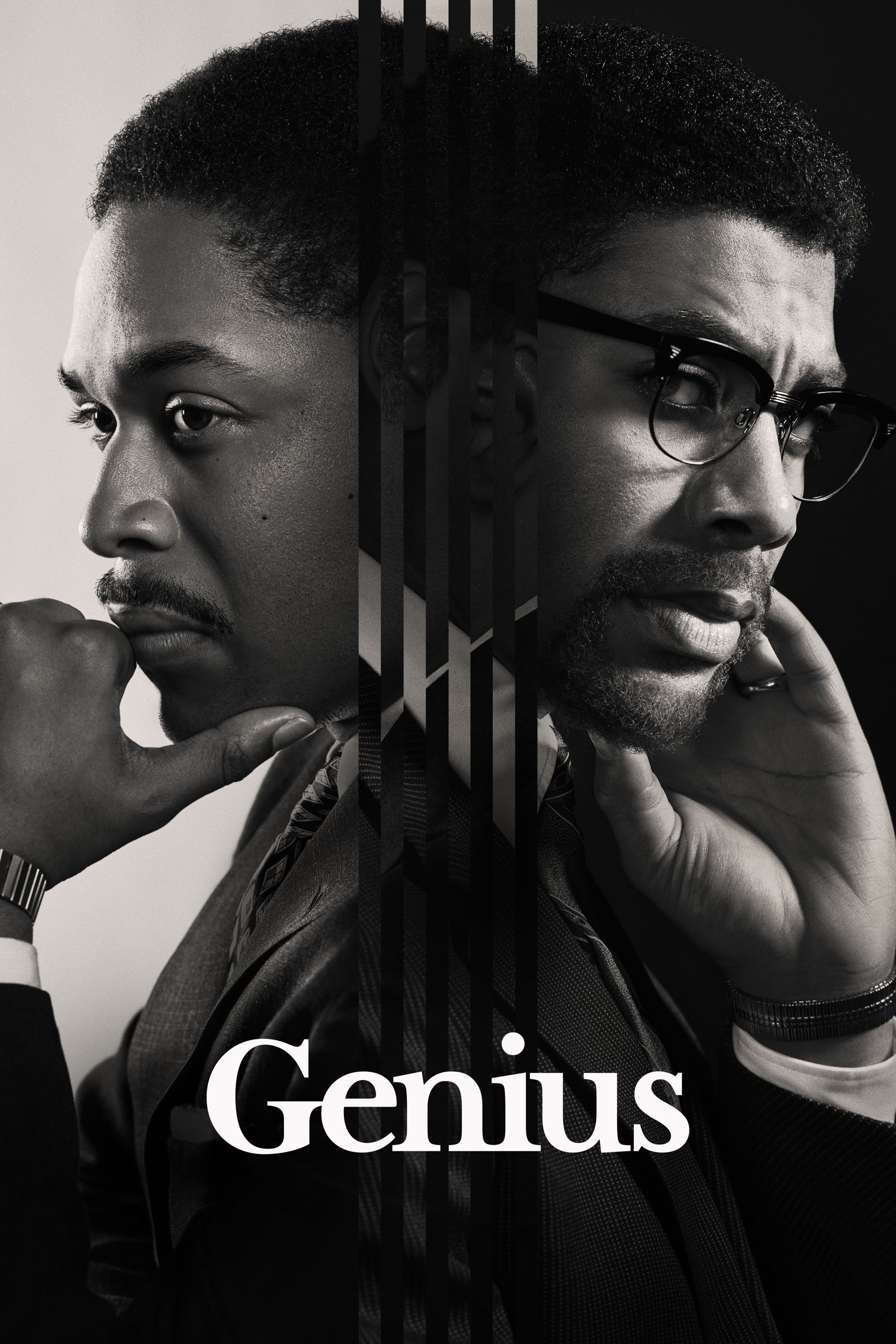
Genius (2017) character relationship network mapped with AI analysis. Explore the connections, alliances, and conflicts between characters.
Characters
Malcolm X
(played by Aaron Pierre) — protagonist
Featured in the fourth season as one of the two central figures whose life and activism are chronicled alongside Dr. Martin Luther King Jr.
Françoise Gilot
(played by Clémence Poésy) — supporting
Pablo Picasso
(played by Alex Rich) — supporting
Elijah Muhammad
(played by Ron Cephas Jones) — supporting
Dora Maar
(played by Samantha Colley) — supporting
Jerry Wexler
(played by David Cross) — supporting
Fritz Haber
(played by Richard Topol) — supporting
C.L. Franklin
(played by Courtney B. Vance) — supporting
Albert Einstein
(played by Johnny Flynn) — cameo
Canonical Relationships
Family, romantic, and professional connections based on plot evidence.
Albert Einstein → Fritz Haber
(Rival Scientists) — Both navigate the rigid academic establishment but choose fundamentally different paths regarding the ethical use of science.
"S1E1 and S1E7 establish their shared academic background and subsequent divergence in scientific application."
Pablo Picasso → Dora Maar
(Artistic Rivals) — Their professional dynamic is complicated by Picasso's shifting artistic focus and Maar's struggle for independent recognition.
"S2E5 and S2E9 mention competition with Matisse and internal studio dynamics affecting Maar's standing."
Jerry Wexler → C.L. Franklin
(Industry Peers) — Both operate at the intersection of commerce and artistry, navigating the evolving landscape of recorded music.
"S3E1 and S3E6 place both figures at the center of American music and gospel, shaping cultural soundscapes."
Pablo Picasso → Jerry Wexler
(Producer & Artist) — Both navigate industry pressures, balancing creative freedom with the demands of public consumption and success.
"S2E4 and S3E2 depict the friction between commercial expectations and the artist's desire for authentic output."
Story Dynamics
Alliances, conflicts, and narrative interactions that evolve throughout the story.
Malcolm X → Elijah Muhammad
(Betrayers & Betrayed) — The relationship deteriorates into a bitter split as Malcolm questions the Nation's leadership and demands transparency.
"S4E7 and S4E8 detail Malcolm's break from the NOI, the pain of betrayal, and his subsequent public speaking out."
Albert Einstein → Pablo Picasso
(Parallel Protagonists) — Two cultural titans whose seasons mirror each other in exploring the intersection of extraordinary talent and personal turmoil.
"S1E10 and S2E10 both conclude with the protagonists reflecting on their legacy and the weight of genius."
Albert Einstein → Malcolm X
(Global Advocates) — Both men leverage their global stature to champion humanitarian causes and challenge systemic injustice.
"S1E10 and S4E8 both emphasize transcending borders to address human suffering and advocate for peace."
Pablo Picasso → Françoise Gilot
(Mutual Admiration) — Despite romantic separation, both maintain a respectful distance and acknowledge each other's creative integrity.
"S2E10 notes Fran\u00e7oise's continued artistic pursuit and Picasso's eventual recognition of her independence."
Elijah Muhammad → Pablo Picasso
(Charismatic Leaders) — Both wield significant influence over their communities, navigating the pressures of leadership and internal dissent.
"S2E7 and S4E4 both depict leaders commanding massive followings while managing internal organizational strife."
Dora Maar → Françoise Gilot
(Rival Muses) — Both women vie for Picasso's devotion, navigating the complex dynamics of being both muse and independent artist.
"S2E2 and S2E9 highlight the competitive atmosphere surrounding Picasso's romantic and artistic attention."
Pablo Picasso → Albert Einstein
(Cultural Icons) — Both transcend their respective fields to become symbols of mid-century genius, facing similar public scrutiny.
"S1E10 and S2E10 both conclude with the protagonists achieving global recognition while grappling with personal isolation."
Pablo Picasso → Malcolm X
(Divergent Methods) — Their approaches to societal change differ fundamentally: one through aesthetic revolution, the other through direct political action.
"S2E7 and S4E6 contrast Picasso's artistic rebellion with Malcolm's direct political confrontation and activism."
Malcolm X → Albert Einstein
(Shared Activism) — Both men utilize their platforms to address systemic injustice and advocate for global unity beyond national borders.
"S1E10 and S4E8 both highlight the protagonists' advocacy for peace, world citizenship, and human dignity."
Elijah Muhammad → Albert Einstein
(Intellectual Peers) — Both command respect through intellectual authority and challenge established systems to forge new paradigms.
"S1E10 and S4E2 both feature leaders demanding respect, structural change, and intellectual rigor within their communities."
Malcolm X → Fritz Haber
(Ideological Opposites) — Their philosophies represent opposing poles: state-centric nationalism versus marginalized community liberation.
"S1E7 and S4E1 contrast Haber's nationalist wartime stance with Malcolm's focus on Black empowerment and global justice."
Story Analysis
A four-season exploration of genius, legacy, and the personal costs of extraordinary achievement across science, art, music, and activism.
Plot Progression
Season 1: Einstein's Rise & Fall
— Traces Einstein's journey from academic struggles to global citizenship, highlighting wartime betrayal and post-war moral reckoning.
Season 2: Picasso's Canvas & Chaos
— Explores Picasso's artistic evolution from imitation to cubism, intertwined with volatile romances and political alignment.
Season 3: Franklin's Voice & Vision
— Documents the intersection of gospel roots, commercial breakthroughs, and civil rights integration in American music.
Season 4: Malcolm's Path & Price
— Follows Malcolm X's transformation from prison to Harlem leadership, culminating in ideological breaks and tragic mortality.
Series: Genius Across Time
— Synthesizes cross-season themes of artistic rebellion, scientific ethics, and global advocacy against mid-century upheaval.