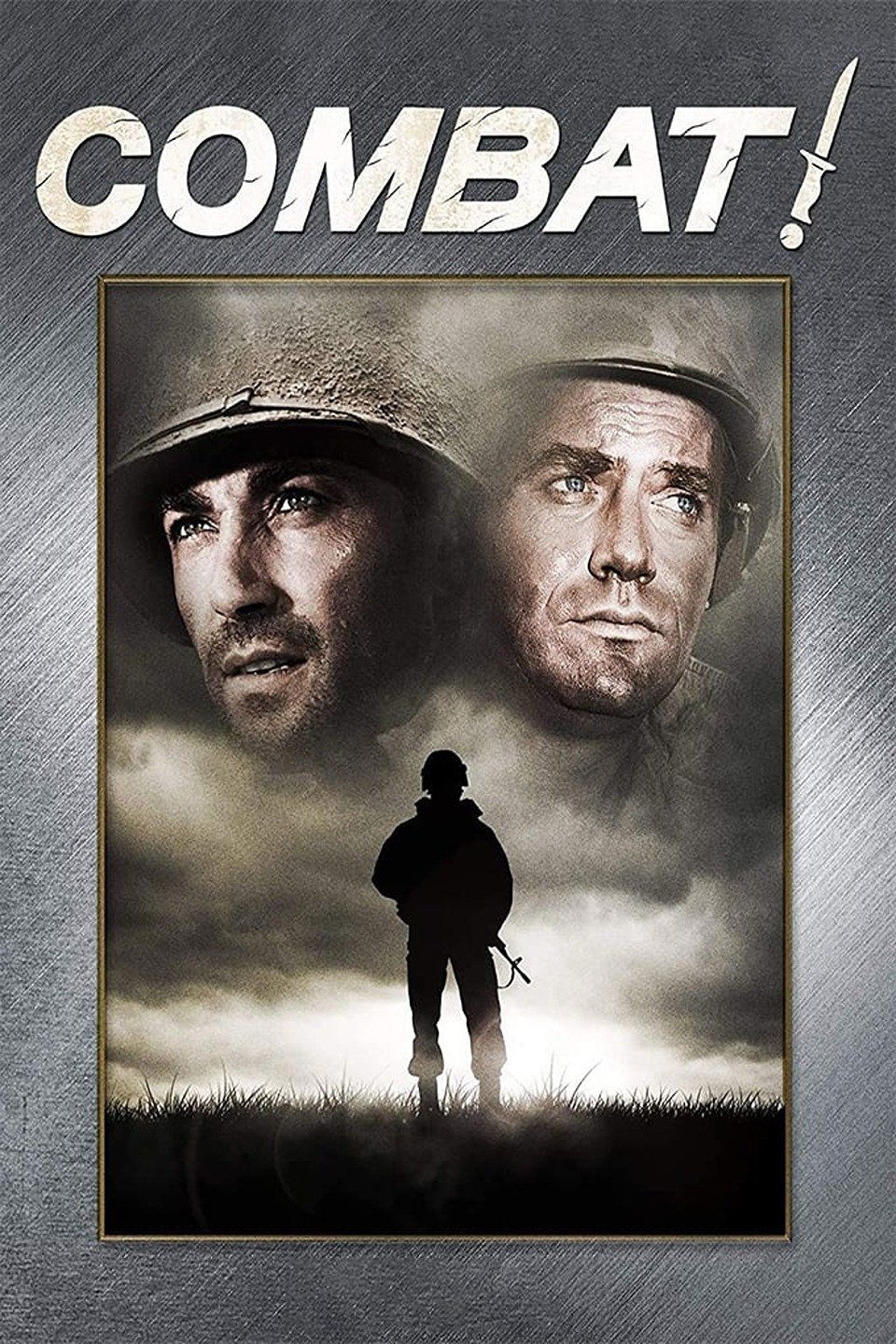
Combat! (1962) interactive character relationship network and AI-powered story timeline. Explore the connections, alliances, and conflicts between characters across the narrative arc.
Cross-season story structure tracking squad evolution, medical triage, and tactical leadership across five years of frontline deployment.
"Episodes 2, 10, and 23 show Saunders and Littlejohn coordinating missions, leading the squad together, and relying on each other during high-stakes o...
"S1E29 sends both back for a baby; S3E18 Littlejohn acts as leader while Doc supports; S4E31 Doc encourages Kirby during Littlejohn's absence; S5E23 t...
"S1E11 flashback introduces Doc Walton as reluctant medic; S1E20\/29\/31 active Doc handles frontline trauma and combat triage."
"Episodes 13, 21, and 23 depict Kirby participating in squad operations, poker games, and supply runs under Saunders' command."
"In episode 29, Saunders sends Doc back to retrieve a found baby, relying on his medical and survival skills during a critical extraction."
"S1E8 Nelson observes squad dynamics while Doc handles medical duties; S2E12 both listed as regulars alongside other squad members."
"S2E9 Littlejohn adopts protective role over orphan while Nelson remains in squad; S2E12 both appear in regular roster."
"Episode 11 states exhaustion causes Caje and Littlejohn to clash aggressively during continuous bad weather patrols."
Rating: 7.9/10 (120 votes)
The squad establishes its core identity through brutal frontline engagements, moral dilemmas, and the integration of green replacements. Medical personnel and infantrymen navigate constant casualties, enemy infiltration, and psychological strain while maintaining unit cohesion.
Squad members face capture, interrogation, and POW camp survival. The narrative shifts to internal dynamics, orphan care, and moral testing as replacements and veterans confront the psychological toll of prolonged combat.
Temporary command structures emerge as superiors fall. The squad navigates court-martial threats, acting leadership transitions, and civilian-military friction while maintaining operational readiness under relentless pressure.
Squad members operate in fragmented units, facing deafening injuries, cellar traps, and command trials. Trust becomes a tactical asset as replacements, veterans, and medics navigate isolation and moral ambiguity.
The final season emphasizes supply lines, prisoner management, and civilian integration. Squad members drive ammunition convoys, mentor reluctant replacements, and face direct combat while preparing for the war's end.
Plot analysis generated from content on Wikipedia, licensed under CC BY-SA 4.0.
Related entry on Wikidata (Q1247850), public domain (CC0).