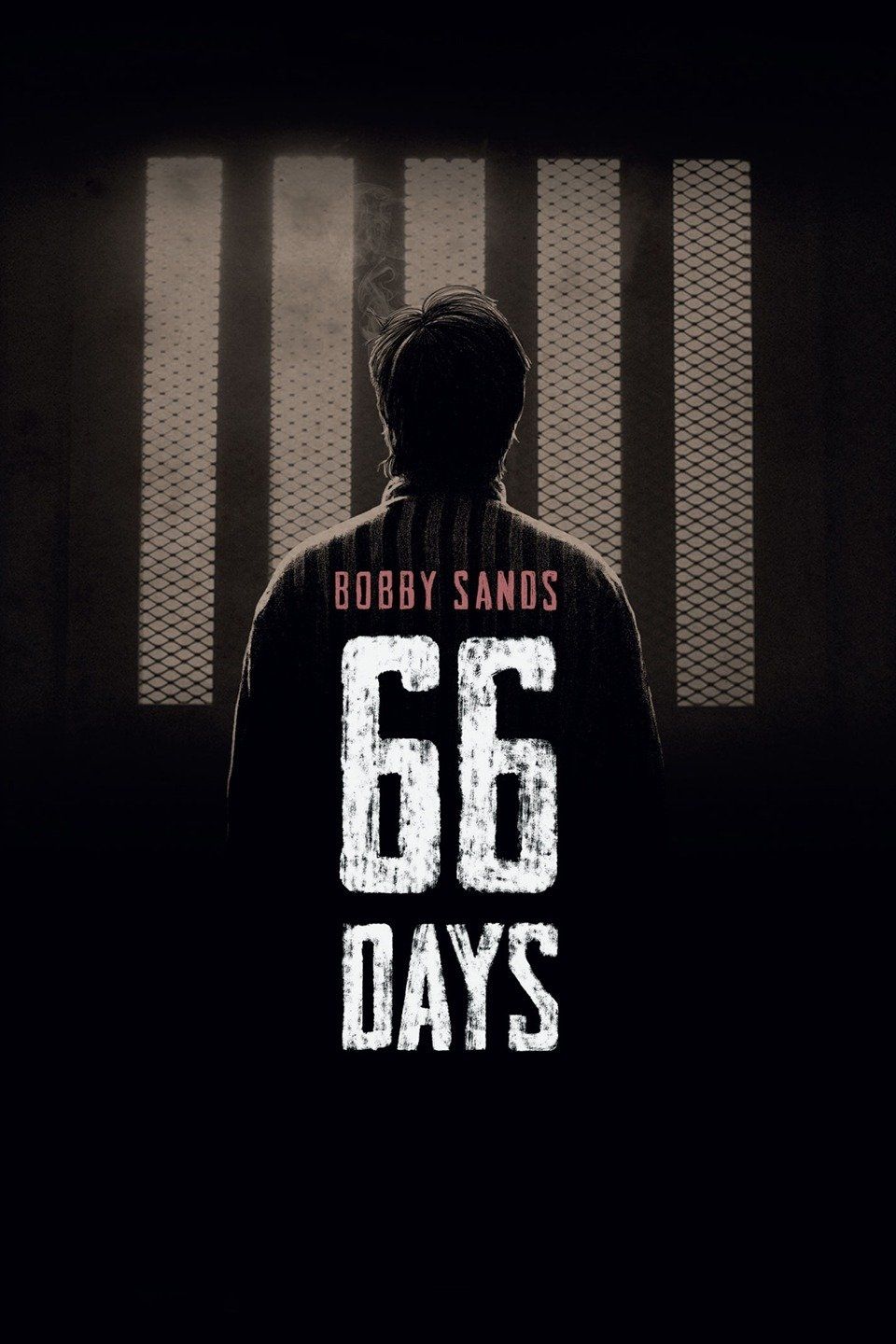
Bobby Sands: 66 Days (2016) — AI Story Visualization
Plot Analysis Summary
A factual cinematic exploration of an IRA member's final 66 days and the documentary's production context.
Story Structure — 4 Plot Phases
Archival Introduction
The documentary opens by establishing its subject as a historical account of Bobby Sands. It frames the narrative within the broader context of IRA activities and British production standards.
Key Events
Documentary Premise — Introduction establishes the film as a documentary about Bobby Sands' death.
Location: UK Production Studio
IRA Member Background — Contextualizes Bobby Sands as an IRA member within the historical setting.
Location: Northern Ireland Archives
The Strike Begins
The narrative shifts to the prison environment, detailing the initiation of the hunger strike. Archival context and voice narration build the historical stakes.
Key Events
Hunger Strike Narrative — Focuses on the progression and conditions of the 66-day hunger strike.
Location: Maze Prison
The Final Days
Tension peaks as the 66-day period concludes. The documentary emphasizes the physical and political weight of Sands' death without dramatization.
Key Events
Death and Aftermath — Covers the conclusion of the strike and the immediate aftermath of his death.
Location: Maze Prison
Cinematic Legacy
The film transitions to its production metadata and release context. It reflects on the documentary's place in 2016 cinema and its archival preservation.
Key Events
Film Production Details — Highlights the documentary's production by Brendan Byrne and voice casting.
Location: UK Cinema
Cinematic Legacy — Places the 2016 release within the broader context of English-language cinema.
Location: Global Archives
Story Breakdown
Historical Context — Establishes the political and organizational background of the subject.
IRA Membership — Details the subject's affiliation and role.
Political Climate — Outlines the era's tensions and prison policies.
The Hunger Strike — Chronicles the progression and conditions of the 66-day fast.
Day One Entry — Marks the beginning of the protest.
66 Day Progression — Tracks the physical and political escalation.
Death and Aftermath — Covers the conclusion of the strike and its immediate impact.
Final Hours — Documents the end of the protest.
Public Reaction — Notes the historical response to the event.
Film Production — Details the creative and technical execution of the documentary.
Director Vision — Brendan Byrne's approach to factual storytelling.
Voice Casting — Martin McCann's narration and performance.
Release and Impact — Places the film within its 2016 cinematic landscape.
2016 Premiere — Initial distribution and UK production details.
Critical Reception — Comparison with contemporary English-language films.
Archival Elements — Highlights the documentary's reliance on historical records.
Interview Clips — Audio and visual testimonies used in the film.
Historical Footage — Archival material supporting the narrative.
By the early 1980s, after two decades of violence and unrest, the situation in Northern Ireland took a sudden and profound turn inside the infamous Maze Prison. Seeking the right to be treated as political prisoners rather than common criminals, Irish Republicans led by Bobby Sands began a prison hunger strike that would draw international attention to the conflict. In the 66 days that he refused food, Sands would be elected to the British Parliament, put the Irish Republican struggle centre stage on the world news agenda, and pay the ultimate price for his political convictions. The film combines a powerful mosaic of archival materials, reconstructions and the illuminating accounts of former prisoners, commentators and key players in the drama. With Sands's evocative prison diary at its core, the film brings fresh insight to an iconic figure who single-handedly created a transformative moment in Ireland's history that had global aftershocks.