Plot Analysis Summary
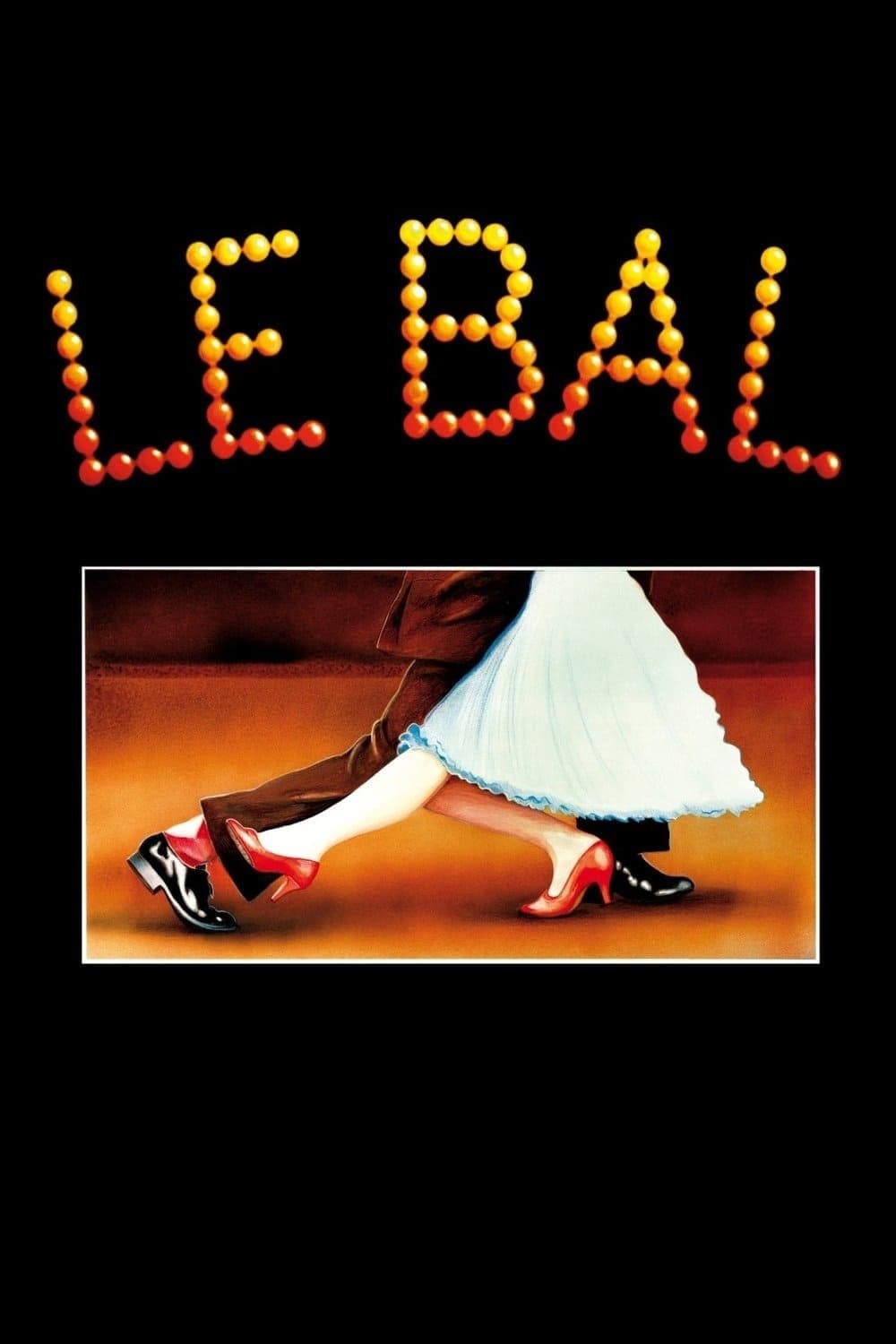
A Paris dance hall becomes a silent witness to changing generations, political upheaval, war, and evolving music across the twentieth century.
Story Structure — 4 Plot Phases
The Hall Opens Across Time
The waiter prepares the bar, and the present-day dancers enter. Their gathering gives way to a 1936 celebration of the Popular Front, where a dancer's intervention prevents a husband's attempted suicide.
Key Events
-
The Waiter Opens the Hall — The waiter prepares the closed bar before the dancers enter.
Location: Semi-underground dance hall in Paris
-
The Present-Day Dance — Women and men arrive, and the company begins dancing.
Location: Semi-underground dance hall in Paris
-
Popular Front Celebration — Supporters celebrate the Popular Front's 1936 election victory with a valse musette.
Location: Dance hall restaurant
-
A Husband's Despair — After kissing the bourgeois man's wife, the dancer stops her husband's attempted suicide. Characters: L'homme qui vient de loin / Jean Gabin
Location: Dance hall restaurant
War, Occupation, and Liberation
An air raid brings people into the pub, followed by a wartime scene of women remembering absent husbands. The officer flees when peace bells ring, and returning men celebrate the end of the war alongside a wounded veteran.
Key Events
-
Air Raid Refuge — People shelter during an air raid; one young couple remains to eat afterward.
Location: Dance hall pub
-
Women Remember the Front — Women dance while remembering husbands at the front, and one drinks to dull her sorrow.
Location: Dance hall pub
-
The Officer's Dance — A collaborator switches stations for a Wehrmacht officer and dances with him when no partner appears.
Location: Dance hall pub
-
Peace Bells Ring — Peace bells sound; the officer flees as the war ends in France.
Location: Dance hall pub
-
The Returned Men Celebrate — People celebrate with men returned from the war, while the former collaborator is pushed around.
Location: Dance hall pub
-
The Invalid Joins In — The celebration turns serious when a one-legged invalid appears, then joins the dancers.
Location: Dance hall pub
New Rhythms and Old Wounds
Swing and Coca-Cola arrive, while the former collaborator sells black market goods. In 1956, new dances and rock and roll share the hall with violence against an Algerian dancer and his mistaken arrest.
Key Events
-
Swing and Coca-Cola — The waiter tastes Coca-Cola as the dancers struggle to adapt to swing.
Location: Dance hall pub
-
Black Market Goods — The former collaborator brings in two GIs, and sells black market goods under the table.
Location: Dance hall pub
-
Rock and Roll Arrives — Teenagers enter as the company moves from samba and tango to rock and roll.
Location: Dance hall pub
-
The Algerian Dancer Is Beaten — A Frenchman beats an Algerian dancer in the toilet; an inspector mistakenly arrests the injured man.
Location: Dance hall pub and toilet
Protest and Departure
Demonstrators take refuge in the unlit hall during the 1968 protests and dance to the Beatles. The film returns to 1983, where the dancers leave one by one and the lights go out.
Key Events
-
Protesters Take Refuge — Demonstrators seek refuge after a street fight and dance to a Beatles song.
Location: Unlit dance hall
-
The Hall Falls Silent — The present-day party ends as everyone leaves and the waiter switches off the lights.
Location: Semi-underground dance hall in Paris