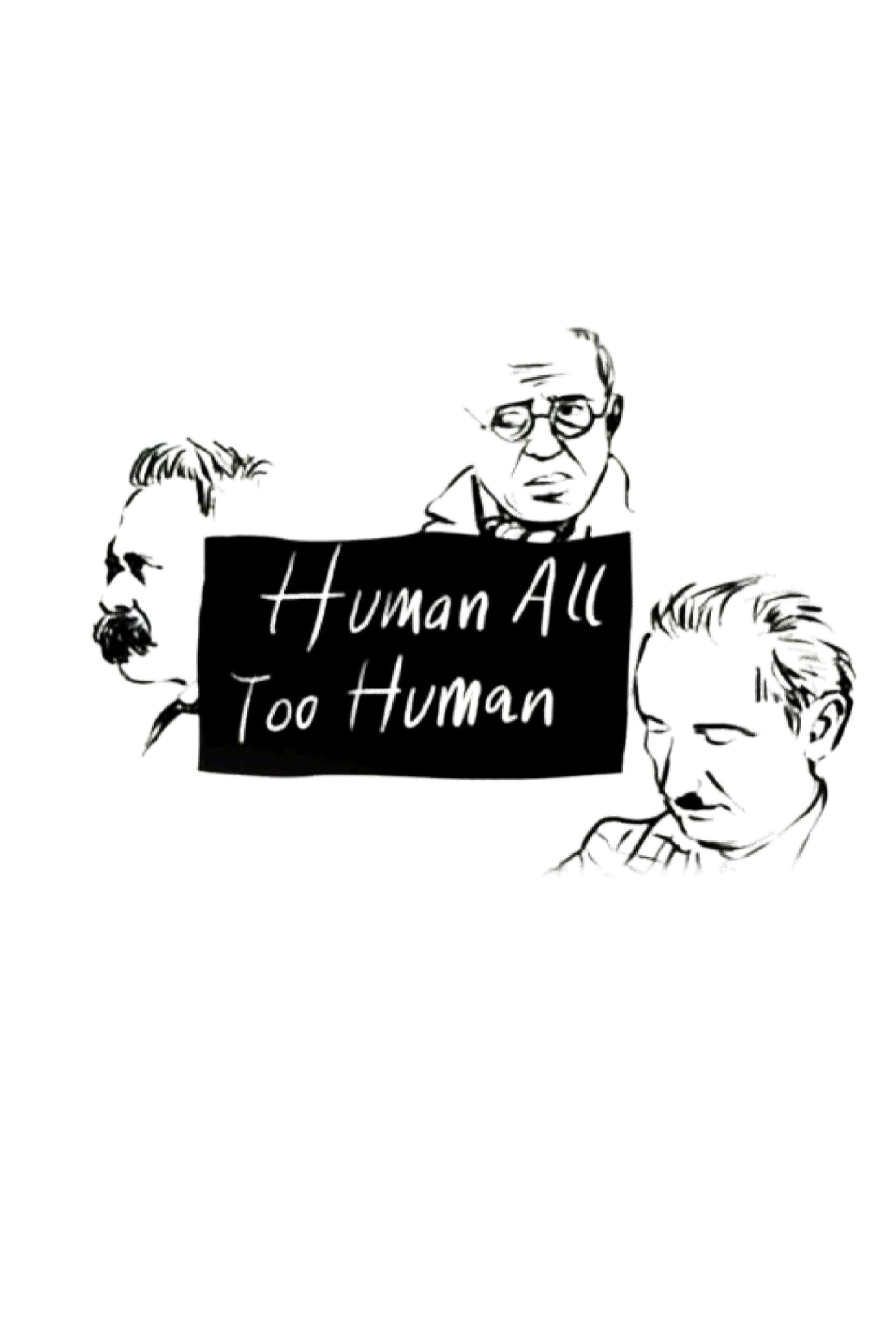
Plot Analysis Summary
A three-part exploration of Nietzsche, Heidegger, and Sartre tracing the evolution of existential thought.
Story Structure — 4 Plot Phases
Nietzsche's Radical Beginnings
The documentary opens by tracing Friedrich Nietzsche's early life and his departure from traditional metaphysics. It highlights the publication of Human All Too Human as a foundational text for free-spirited inquiry.
Key Events
-
Documentary Introduction — Opening sequence introduces the three-part documentary format and core theme. Characters: Philosopher
Location: BBC Studio
-
Nietzsche's Early Life — Explores Nietzsche's formative years and initial intellectual influences. Characters: Philosopher
Location: 19th Century Germany
-
Human All Too Human Release — Documents the publication of Nietzsche's pivotal work for free spirits. Characters: Philosopher
Location: Publishing House
-
Nietzsche's Philosophical Shift — Tracks Nietzsche's departure from traditional metaphysics toward individualism. Characters: Philosopher
Location: Academic Circle
-
Transition to Heidegger — Narrative bridge connecting Nietzsche's era to the next philosophical figure. Characters: Philosopher
Location: Historical Archive
-
Heidegger's Being and Time — Examines Heidegger's groundbreaking analysis of existence and temporality. Characters: Philosopher
Location: University Lecture Hall
Heidegger's Ontological Journey
The narrative shifts to Martin Heidegger, exploring his academic rise and the publication of Being and Time. It also addresses the ethical controversies surrounding his political affiliations during the mid-20th century.
Key Events
-
Heidegger's Being and Time — Examines Heidegger's groundbreaking analysis of existence and temporality. Characters: Philosopher
Location: University Lecture Hall
-
Heidegger's Academic Career — Details Heidegger's rise within the academic philosophy community. Characters: Philosopher
Location: German University
-
Heidegger's Controversial Past — Confronts the ethical complexities surrounding Heidegger's political affiliations. Characters: Philosopher
Location: Historical Record
-
Shift to Sartre — Smooth narrative transition introducing the third philosopher to the series. Characters: Philosopher
Location: Documentary Studio
-
Sartre's Early Works — Explores Sartre's initial literary and philosophical contributions. Characters: Philosopher
Location: Parisian Cafe
-
Existentialism Defined — Core thematic pivot where existentialism is formally articulated and debated. Characters: Philosopher
Location: Public Forum
Sartre and the Birth of Existentialism
Jean-Paul Sartre enters the frame as the series formally defines existentialism. His literary output and public influence are examined, showing how abstract philosophy permeated post-war culture.
Key Events
-
Existentialism Defined — Core thematic pivot where existentialism is formally articulated and debated. Characters: Philosopher
Location: Public Forum
-
Sartre's Public Influence — Highlights Sartre's impact on post-war intellectual and cultural movements. Characters: Philosopher
Location: Cultural Stage
-
Sartre's Literary Output — Reviews how Sartre embedded philosophical ideas into fiction and drama. Characters: Philosopher
Location: Writing Room
-
Philosophical Debates — Presents structured discussions comparing the three thinkers' methodologies. Characters: Philosopher
Location: Academic Panel
-
Comparative Analysis — Synthesizes overlapping concepts and divergent paths across the three figures. Characters: Philosopher
Location: Documentary Studio
-
Shared Themes Explored — Identifies common ground regarding human freedom and responsibility. Characters: Philosopher
Location: Archive Room
Synthesis and Philosophical Legacy
The final act compares the three thinkers, identifying shared themes of freedom and responsibility. It concludes by connecting their ideas to modern intellectual discourse and the enduring concept of free spirits.
Key Events
-
Shared Themes Explored — Identifies common ground regarding human freedom and responsibility. Characters: Philosopher
Location: Archive Room
-
Documentary Synthesis — Narrative convergence bringing all three philosophical arcs together. Characters: Philosopher
Location: Studio Set
-
Legacy of Free Spirits — Examines how the documentary's title concept resonates in modern thought. Characters: Philosopher
Location: Modern Library
-
Modern Relevance — Connects historical philosophy to current societal and ethical questions. Characters: Philosopher
Location: Public Square
-
Final Reflections — Concludes the series with a unified perspective on existential inquiry. Characters: Philosopher
Location: Studio Set
-
Credits Roll — Standard documentary closing sequence acknowledging contributors. Characters: Philosopher
Location: Studio Set
-
Historical Context — Final visual summary placing the philosophers within their broader era. Characters: Philosopher
Location: Archive Room