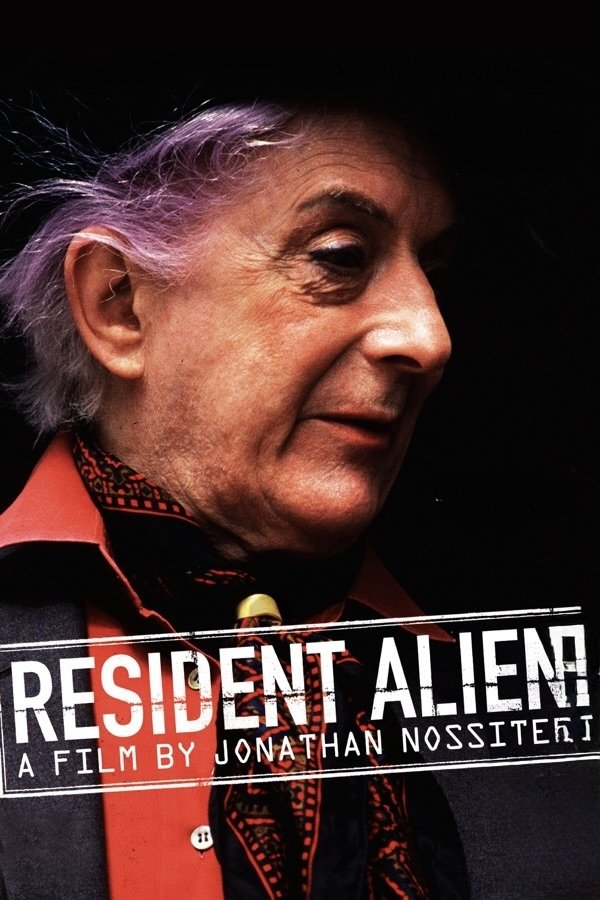
Story Structure — 4 Plot Phases
Arrival in the Concrete Jungle
Crisp settles into Manhattan life while John Foster begins filming his daily routines and public appearances. The documentary establishes his comfortable presence in New York and introduces his distinctive visual style.
Key Events
-
Arrival in Manhattan — Crisp settles into his adopted home in New York City.
Location: New York
-
Filming Begins — Foster's camera starts following Crisp through the city.
Location: Manhattan streets
-
Stage Appearance — Crisp appears publicly on a makeshift stage.
Location: Makeshift stage
-
Wearing Eye Shadow — Crisp is seen openly wearing eye shadow in public.
Location: Manhattan streets
-
Making Wry Observations — Crisp makes and repeats sharp, witty remarks.
Location: Manhattan streets
-
Englishman Identity — Establishing Crisp's identity as an Englishman abroad.
Location: New York
-
Street Interactions — Crisp interacts naturally with the urban environment.
Location: Manhattan streets
Public Persona and Private Reflections
Crisp performs on stage, dines with friends, and engages in conversations that reveal his sharp wit and open identity. These interactions highlight his confidence and social connections.
Key Events
-
Conversation with Hurt — Crisp engages in direct conversation with John Hurt.
Location: Manhattan
-
Past Role Reference — Reference to Hurt playing Crisp in a previous TV movie.
Location: Manhattan
-
Dining with Friends — Crisp shares a meal with his close friends.
Location: Restaurant
-
Friends Comment — Friends discuss Crisp's life and personal manner.
Location: Restaurant
-
Street Interactions — Crisp interacts naturally with the urban environment.
Location: Manhattan streets
Conversations and Historical Context
Friends and acquaintances discuss Crisp's effeminate manner and his significant place within the history of gay social struggle. The narrative broadens to examine his cultural impact.
Key Events
-
Friends Comment — Friends discuss Crisp's life and personal manner.
Location: Restaurant
-
Effeminate Manner Discussion — Others comment on his openly gay and effeminate identity.
Location: Manhattan
-
Historical Context — Discussion of Crisp's place in gay social struggle history.
Location: Manhattan
-
Legacy Highlighted — The documentary emphasizes his enduring historical significance.
Location: Manhattan
-
Social Context Framing — Broader context of gay social struggle provided by observers.
Location: Manhattan
Legacy of Wit and Suffering
The documentary culminates in a poignant portrait that balances Crisp's enduring humor with the underlying suffering of his life. The film closes on his lasting legacy in New York.
Key Events
-
Legacy Highlighted — The documentary emphasizes his enduring historical significance.
Location: Manhattan
-
Wit Emerges — The film reveals the sharp humor defining Crisp's persona.
Location: Manhattan
-
Suffering Revealed — The underlying personal hardship in Crisp's life is shown.
Location: Manhattan
-
At Home in NYC — Crisp is shown feeling completely comfortable in the city.
Location: New York
-
Openly Gay Reflection — Reflections on his life and identity as an openly gay man.
Location: Manhattan
-
Final Portrait — Concluding portrait balancing wit and suffering.
Location: Manhattan