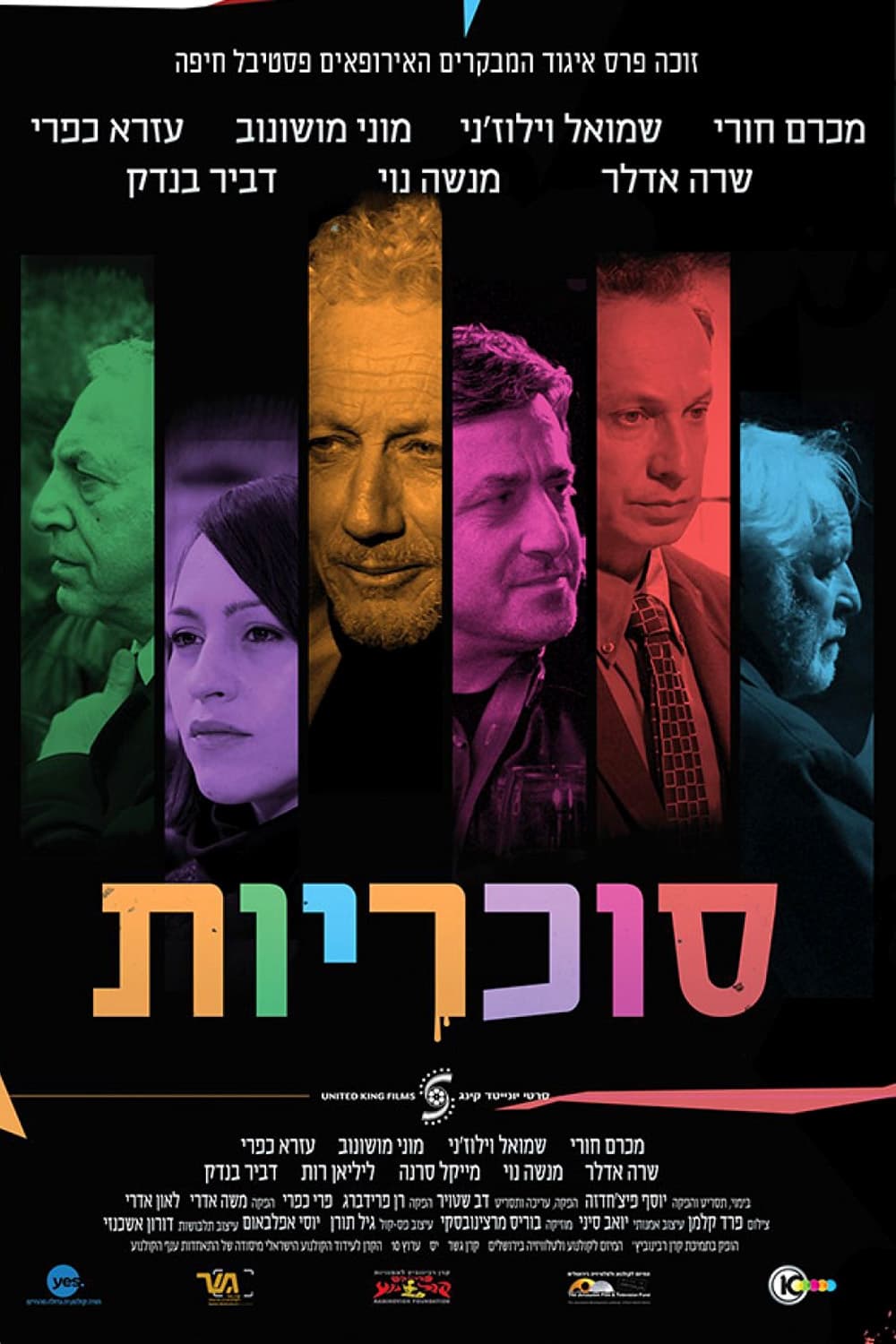
A crime drama exploring how commercial rivalry escalates into violent ideological conflict.
Story Structure — 4 Plot Phases
Commercial Foundations
The narrative establishes a competitive business environment between a Jewish businessman and an Arab dealer. Initial market dynamics set the stage for future tensions.
Key Events
Business Rivalry Initiated — Introduction of competing business interests between two parties.
Location: Israeli Commercial District
Arab Dealer Expansion — The Arab dealer increases commercial activity, shifting market dynamics.
Location: Marketplace
Perceived Threat
The Arab dealer's growing influence is interpreted as a direct threat. The Jewish protagonist shifts focus from pure commerce to political and cultural defense.
Key Events
Arab Dealer Expansion — The Arab dealer increases commercial activity, shifting market dynamics.
Location: Marketplace
Threat Perception Shift — The Jewish businessman recognizes the expansion as a severe political and cultural threat.
Location: Business Office
Violent Escalation
Diplomatic and economic pressures dissolve into open conflict. Physical confrontations replace boardroom negotiations as stakes rise.
Key Events
Violent Conflict Erupts — Business competition escalates into direct physical violence.
Location: Urban Streets
Ideological Climax
The personal rivalry transforms into a broader ideological battle. The conflict directly challenges foundational political beliefs, reaching narrative peak.
Key Events
Ideological Confrontation — The struggle culminates in a direct challenge to Zionist principles.
Location: Public Square
Story Breakdown
Business Rivalry — Initial competition between two entrepreneurs in the Israeli market.
Market Competition — Both parties vie for commercial dominance.
Economic Pressure — Financial stakes drive early interactions.
Political Tensions — Commercial disputes spill into broader political spheres.
Cultural Identity — Ethnic backgrounds influence business strategies.
Regional Influence — External political forces impact local dealings.
Violent Conflict — Negotiations fail, leading to physical confrontations.
Physical Confrontation — Direct violence replaces economic warfare.
Escalating Stakes — Each attack raises the cost of the feud.
Ideological Challenge — The personal feud becomes a battle over core beliefs.
Zionist Principles — Foundational political ideals are directly questioned.
Moral Dilemma — Protagonist faces ethical consequences of violence.
Character Dynamics — Psychological profiles and motivations of the leads.
Jewish Protagonist — Driven by perceived existential threat.
Arab Antagonist — Pursues expansion despite growing hostility.
Narrative Resolution — How the conflict concludes and themes are resolved.
Final Confrontation — Climactic meeting of opposing forces.
Thematic Conclusion — Resolution of business and ideological disputes.
Salah, an Israeli-Arab enterpriser, strives to bring happiness for the children of the Arab sector in Israel by opening a new chain of candy stores. 'The Firm', an Israeli corporation headed by Klausner , that controls Israeli candy market, resent Salah on his former business move - taking control over the Israeli market of Turkish coffee. Klausner sees the new business initiative of Salah as a real threat, not only a business one but also a cultural and a political one, even a real challenge against Zionism itself. In a disguise of a Business struggle the story reveals moral dilemmas and a cultural struggle: the Arab businessman trying to integrate in Modern Israel against the dominant Zionist culture.