Story Structure — 5 Plot Phases
Origins and Pioneer Voices
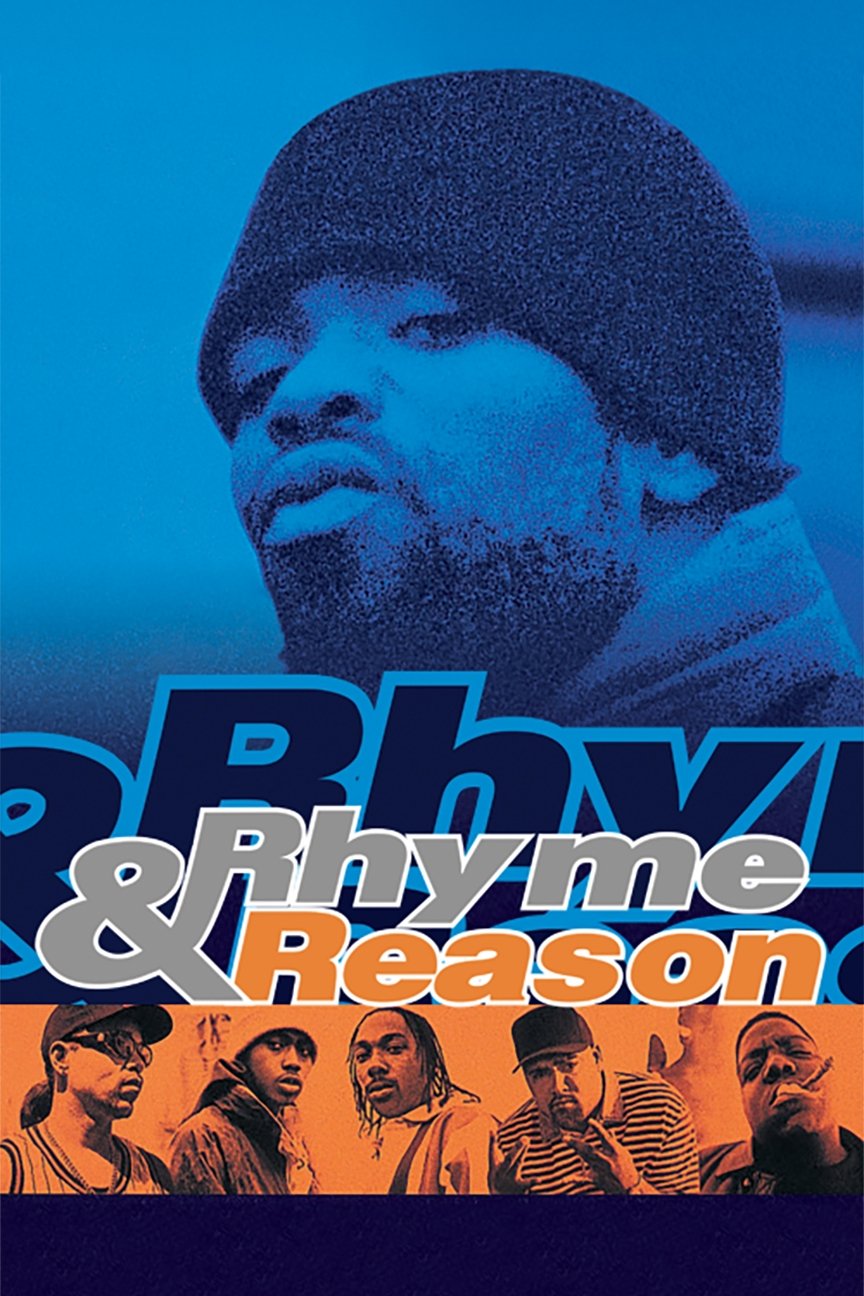
The documentary opens with director Peter Spirer conceptualizing the project to capture hip hop history. Veteran artists like Kurtis Blow, KRS-One, and Chuck D provide foundational insights into the culture's early days.
Key Events
-
Documentary Conception — Director initiates project to document hip hop history.
Location: Production Office
-
Old-School Pioneer Interviews — Veteran rappers share origins of hip hop culture.
Location: Recording Studio
-
Hip Hop Cultural Evolution — Exploration of rap transformation into a cultural voice.
Location: Cultural Archive
-
Pioneer Tribute Segment — Early rap history is honored through veteran testimonials.
Location: Studio
Industry Evolution and Commercial Shift
The narrative tracks rap's transformation from underground movement to a multi-billion dollar industry. Artists like Dr. Dre and Ice-T discuss the tension between artistic integrity and commercial success.
Key Events
-
Hip Hop Cultural Evolution — Exploration of rap transformation into a cultural voice.
Location: Cultural Archive
-
Industry Commercialization Analysis — Discussion on rap becoming a multi-billion dollar industry.
Location: Music Business Hub
-
Controversial Reputation Debate — Artists address the music's often controversial images.
Location: Interview Set
-
Artistic vs Commercial Tension — Discussion on balancing creative integrity with profit.
Location: Music Business Hub
Controversy and Hitmaker Perspectives
The film tackles the music's controversial reputation and social impact through direct artist commentary. Current hitmakers including Wu-Tang Clan and Tupac Shakur share their creative processes and industry experiences.
Key Events
-
West Coast Perspective Sharing — Regional sounds and lyrical styles are examined.
Location: West Coast Studio
-
Hitmakers Creative Process — Current rap hitmakers discuss songwriting and production.
Location: Recording Facility
-
Tupac Shakur Interview Session — Iconic artist reflects on fame and artistic integrity.
Location: Interview Room
-
Political Commentary Integration — Rap role as political and social voice is highlighted.
Location: Interview Set
-
Group Dynamics Exploration — Collective rap groups analyze collaborative creation.
Location: Group Interview Room
Tragedy and Final Production
The documentary captures The Notorious B.I.G.'s final interview just days before his murder, casting a somber tone over the production. Director Spirer compiles the footage into a cohesive final cut.
Key Events
-
The Notorious B.I.G. Final Recording — Hitmaker records interview just days before his death.
Location: Studio Booth
-
Tragic Loss of The Notorious B.I.G. — Community reacts to the sudden murder of a rap icon.
Location: Music Industry
-
Documentary Final Editing — Director compiles interviews into a cohesive narrative.
Location: Post-Production Suite
-
Theatrical Release Launch — Movie premieres across multiple cinema locations.
Location: 280 Theaters
-
Final Cut Approval — Director finalizes the documentary for distribution.
Location: Production Office
Theatrical Release and Cultural Legacy
The film launches across 280 theaters, earning over 1.6 million dollars and drawing critical attention. It ultimately secures a place in music documentary history, ranked 35th by Rolling Stone.
Key Events
-
Theatrical Release Launch — Movie premieres across multiple cinema locations.
Location: 280 Theaters
-
Box Office Performance Tracking — Film earns over 1.6 million dollars during run.
Location: Box Office Data
-
Critical Reception Analysis — Critics evaluate the documentary historical accuracy.
Location: Media Review Desk
-
Rolling Stone Magazine Recognition — Film ranked 35th in greatest music documentaries list.
Location: Magazine Office
-
Legacy Assessment Conclusion — Summary of hip hop enduring impact on global culture.
Location: Cultural Archive
-
Historical Archive Preservation — Documentary secured as a permanent cultural record.
Location: Film Archive