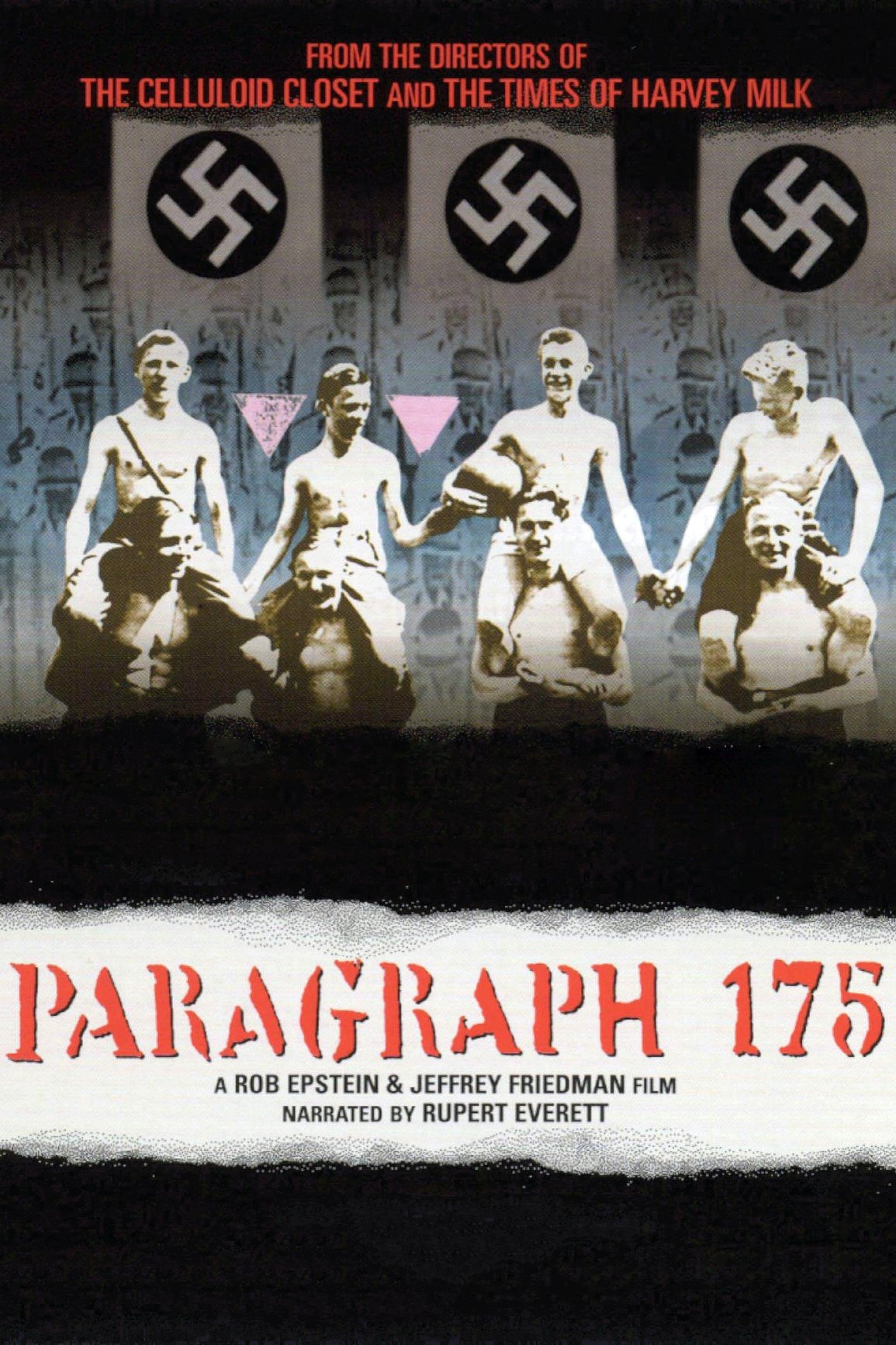
Story Structure — 4 Plot Phases
Historical Context & Persecution
The documentary establishes the legal and historical backdrop of Paragraph 175, detailing how the Nazi regime criminalized homosexuality and arrested 100,000 men between 1933 and 1945.
Key Events
-
Historical Context Introduction — Introduction to the Nazi persecution of gay men and lesbians under Paragraph 175. Location: Documentary Narration Space
-
Arrest Statistics Reveal — Reveals that 100,000 men were arrested between 1933 and 1945. Location: Historical Archive
-
Survivor Introduction — Five survivors come forward to share their untold stories in 2000. Location: Interview Setting
-
Nazi Persecution Era — The broader timeframe of 1933 to 1945 Nazi persecution is established. Location: Germany
-
Legal Framework Origin — Paragraph 175 dates back to 1871 and criminalized sodomy. Location: German Penal Code
Personal Testimonies Begin
Five survivors step forward to share their stories, including Pierre Seel's traumatic camp experiences and Annette Eick's romantic escape to England.
Key Events
-
Pierre Seel's Camp Trauma — Pierre recounts witnessing his lover being eaten alive by dogs. Location: Concentration Camp
-
Lover's Death Confirmation — The tragic loss of Pierre's romantic partner is detailed. Location: Concentration Camp
-
Annette Eick's Escape — Annette describes her journey escaping to England during the war. Location: Berlin to England
-
Concentration Camp Imprisonment — Pierre and others were sent to concentration camps after arrest. Location: Concentration Camp
Resistance & Survival Strategies
The narrative shifts to active resistance and post-imprisonment choices, highlighting Gad Beck's refugee rescue efforts and Albrecht Becker's army enlistment.
Key Events
-
Romantic Rescue Alliance — Annette credits her survival to the help of a woman she loved. Location: England
-
Gad Beck's Resistance — Gad Beck's role as a Jewish resistance fighter is highlighted. Location: Berlin
-
Refugee Evacuation Effort — Gad actively helps refugees escape the city during the war. Location: Berlin Streets
-
Albrecht Becker's Arrest — Albrecht is arrested and imprisoned for his homosexuality. Location: German Prison
-
Jewish Resistance Context — Gad Beck's dual identity as Jewish and resistance fighter is noted. Location: Berlin Underground
-
Photographer Background — Albrecht Becker's profession as a German Christian photographer is revealed. Location: Germany
Legacy & Historical Reflection
The film concludes with Karl Gorath's testimony, survival statistics, and a reflection on the enduring gap in historical records as the last survivors speak.
Key Events
-
Albrecht Becker's Arrest — Albrecht is arrested and imprisoned for his homosexuality. Location: German Prison
-
Post-Prison Enlistment — Albrecht joins the army after release to be with men. Location: German Army Base
-
Karl Gorath's Testimony — Karl shares his personal account of surviving the persecution. Location: Interview Setting
-
Survival Rate Reality — Only about 4,000 of the arrested men survived the camps. Location: Historical Context
-
2000 Timeline Context — Fewer than ten of these men were known to be living in 2000. Location: Modern Day
-
Documentary Purpose — The film aims to fill a gap in the historical record. Location: Film Production
-
Legacy Acknowledgment — Their stories are recognized as among the last untold narratives. Location: Documentary Conclusion
-
Final Historical Reflection — The film concludes by emphasizing the lasting consequences of the persecution. Location: Documentary End
During the Nazi regime, there was widespread persecution of homosexual men, which started in 1871 with the Paragraph 175 of the German Penal Code. Thousands were murdered in concentration camps. This powerful and disturbing documentary, narrated by Rupert Everett, presents for the first time the largely untold testimonies of some of those who survived.