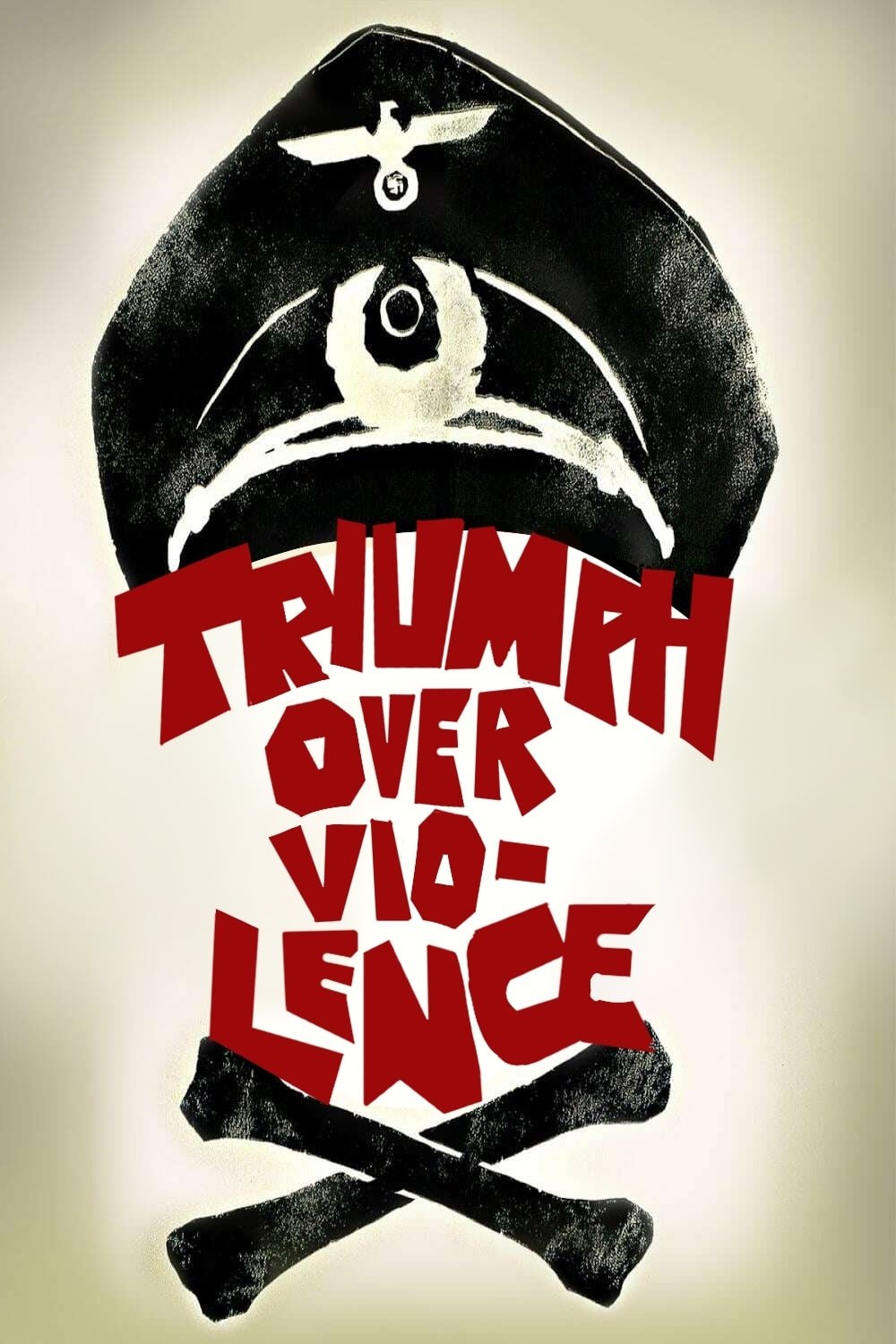
Story Structure — 4 Plot Phases
Lessons in Submission
The film shows how schools train children to obey political authority through rituals, songs, drawings, and physical exercises. Childhood innocence is transformed into preparation for military service.
Key Events
-
Children Learn Obedience — School routines teach children obedience through ritualized political exercises.
Location: Nazi classroom
-
War Songs and Lessons — Lessons glorify soldiers, war, and loyalty to political authority.
Location: Nazi classroom
-
Bodies Spell Submission — Children arrange their bodies to spell a message of collective submission.
Location: School grounds
-
Preparing Young Bodies — Physical training prepares children mentally and physically for military service.
Location: School grounds
-
Staged Public Appearance — Public appearances are carefully arranged to appear spontaneous and emotionally intimate.
Location: Public gathering
Theatrical Mass Politics
Public appearances are presented as carefully staged performances using flowers, babies, petitions, and crowd emotion. Propaganda replaces reason with fear, worship, and manufactured enthusiasm.
Key Events
-
Manufactured Enthusiasm — Crowd reactions are shaped through fear, worship, and primitive emotional appeals.
Location: Public gathering
-
Leader as Object of Faith — Propaganda transforms political leadership into an object of mass faith.
Location: Public gathering
-
Orders Replace Thought — Soldiers follow orders after swearing obedience and being told not to think.
Location: Military setting
-
War Spreads Across Europe — Invasions spread across Europe as cities burn and warfare expands.
Location: European cities
-
Cities Burn — Photographs and footage show the destruction caused by expanding war.
Location: European cities
War and Systematic Cruelty
The film moves from obedience to invasion, destruction, confinement, starvation, and mass murder. Images of ghetto life emphasize the suffering of children and the courage of those who remain with them.
Key Events
-
Ghettos Are Revealed — Archival images reveal ghettos where hundreds of thousands are confined.
Location: Ghettos
-
Starvation and Dehumanization — People are starved, confined, and treated as less than human.
Location: Ghettos
-
Children Draw Memories — Children preserve memories of happier lives through drawings and dreams.
Location: Ghetto interior
-
Children Are Transported — Many children are transported away despite their hopes of escape.
Location: Ghetto transport area
-
Educator Stays Behind — A writer and educator remains with the children and accompanies them to the end.
Location: Ghetto
Defeat Without Eradication
Resistance, the collapse of the Third Reich, and postwar remembrance provide a temporary sense of closure. The final scenes warn that fascist ideas and movements can return after military defeat.
Key Events
-
Remembering Resistance — The film recalls people who rejected conformity and continued thinking under repression.
Location: Archival setting
-
The Reich Collapses — The enormous death toll eventually destroys the Third Reich.
Location: War-torn Europe
-
Survivors Reconstruct Memories — Survivors gather, search for former comrades, and reconstruct shared memories.
Location: Postwar gathering
-
Postwar Fascist Revival — Military training, nationalism, former extremists, and new movements reappear after the war.
Location: Postwar public gathering
-
Crowd Attacks Agitator — A hostile crowd attacks a British agitator while police struggle to control the scene.
Location: British public gathering
-
Fascism Remains a Threat — The conclusion warns that fascism can be suppressed without being completely eradicated.
Location: Postwar world