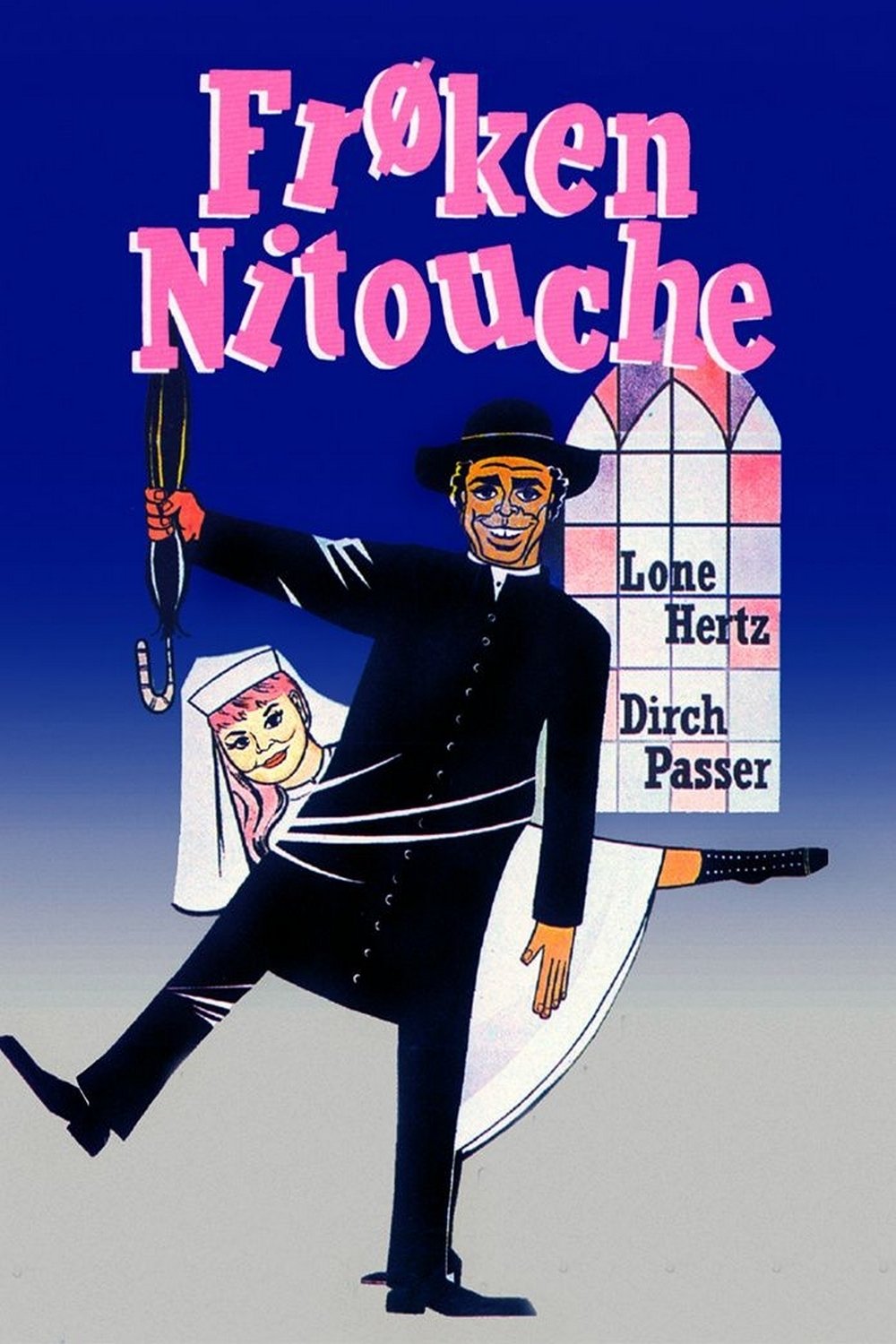
A meta-structural analysis of the 1963 Danish comedy's adaptation, casting, and release framework.
Story Structure — 4 Plot Phases
Cinematic Introduction
The film is introduced as a 1963 Danish comedy directed by Annelise Reenberg. The narrative foundation is established through its primary lead actors.
Key Events
Film Introduction — Establishment of the 1963 Danish comedy film and its primary leads. Characters: Floridor / Celestin, Frk. Nitouche / Charlotte BorgLocation: Cinematic Context
Source Adaptation — Transition from the original operetta Mam'zelle Nitouche to film format. Characters: Floridor / Celestin, Frk. Nitouche / Charlotte BorgLocation: Adaptation Framework
Adaptation Foundation
The story transitions from its operatic origins, Mam'zelle Nitouche, into a cinematic format. The romantic and comedic core is preserved for the screen.
Key Events
Source Adaptation — Transition from the original operetta Mam'zelle Nitouche to film format. Characters: Floridor / Celestin, Frk. Nitouche / Charlotte BorgLocation: Adaptation Framework
Lead Casting — Finalization of Lone Hertz and Dirch Passer as the central performers. Characters: Floridor / Celestin, Frk. Nitouche / Charlotte BorgLocation: Production Studio
Cast Integration
Lone Hertz and Dirch Passer are confirmed as the central figures driving the plot. Supporting roles are mapped to expand the narrative scope.
Key Events
Lead Casting — Finalization of Lone Hertz and Dirch Passer as the central performers. Characters: Floridor / Celestin, Frk. Nitouche / Charlotte BorgLocation: Production Studio
Ensemble Assembly — Integration of supporting actors and minor roles into the narrative. Characters: Premierløjtnant Parsberg, Floridor / CelestinLocation: Cast Roster
Release & Legacy
The production concludes with its placement in Danish cinema history. The ensemble cast and directorial vision solidify the film's cultural footprint.
Key Events
Ensemble Assembly — Integration of supporting actors and minor roles into the narrative. Characters: Premierløjtnant Parsberg, Floridor / CelestinLocation: Cast Roster
Release Context — Placement of the film within its historical and cultural release window. Characters: Frk. Nitouche / Charlotte Borg, Premierløjtnant ParsbergLocation: Danish Cinema Era
Story Breakdown
Film Overview — Establishes the basic identity and genre of the 1963 Danish production.
1963 Danish Release — The film's historical debut in Danish cinema.
Comedy Genre — The primary tonal classification guiding the narrative.
Directorial Vision — Annelise Reenberg's approach to adapting the source material.
Adaptation Strategy — Translating operetta elements into cinematic language.
Tonal Balance — Maintaining comedic pacing while preserving romantic themes.
Lead Performers — The central actors driving the narrative forward.
Lone Hertz Casting — Portrayal of the titular character and her dual identity.
Dirch Passer Casting — Portrayal of the romantic lead and comedic foil.
Source Material — The foundational operetta that shapes the plot.
Operetta Foundation — The original stage work providing narrative structure.
Mam'zelle Nitouche Legacy — The cultural and artistic heritage adapted for film.
Supporting Cast — Ensemble members expanding the narrative scope.
Ensemble Assembly — Integration of secondary characters into the plot.
Character Diversity — Variety of roles supporting the central romantic comedy.
Production Context — The broader cinematic and cultural environment.
Danish Cinema Era — The historical period influencing production values.
Theatrical Adaptation — The process of converting stage performance to screen.
At a convent school for young girls, no one must know that the organist Celestin is the same person as the operetta composer Floridor. But in the long run, it cannot be hidden. His bright student Charlotte has been chosen as the bride of a man she has never met – but during a trip to Copenhagen, where Celestin is supposed to protect Charlotte from the temptations of the city, he takes her to the theatre where his operetta is to premiere. And that is where Celestin's problems really begin.