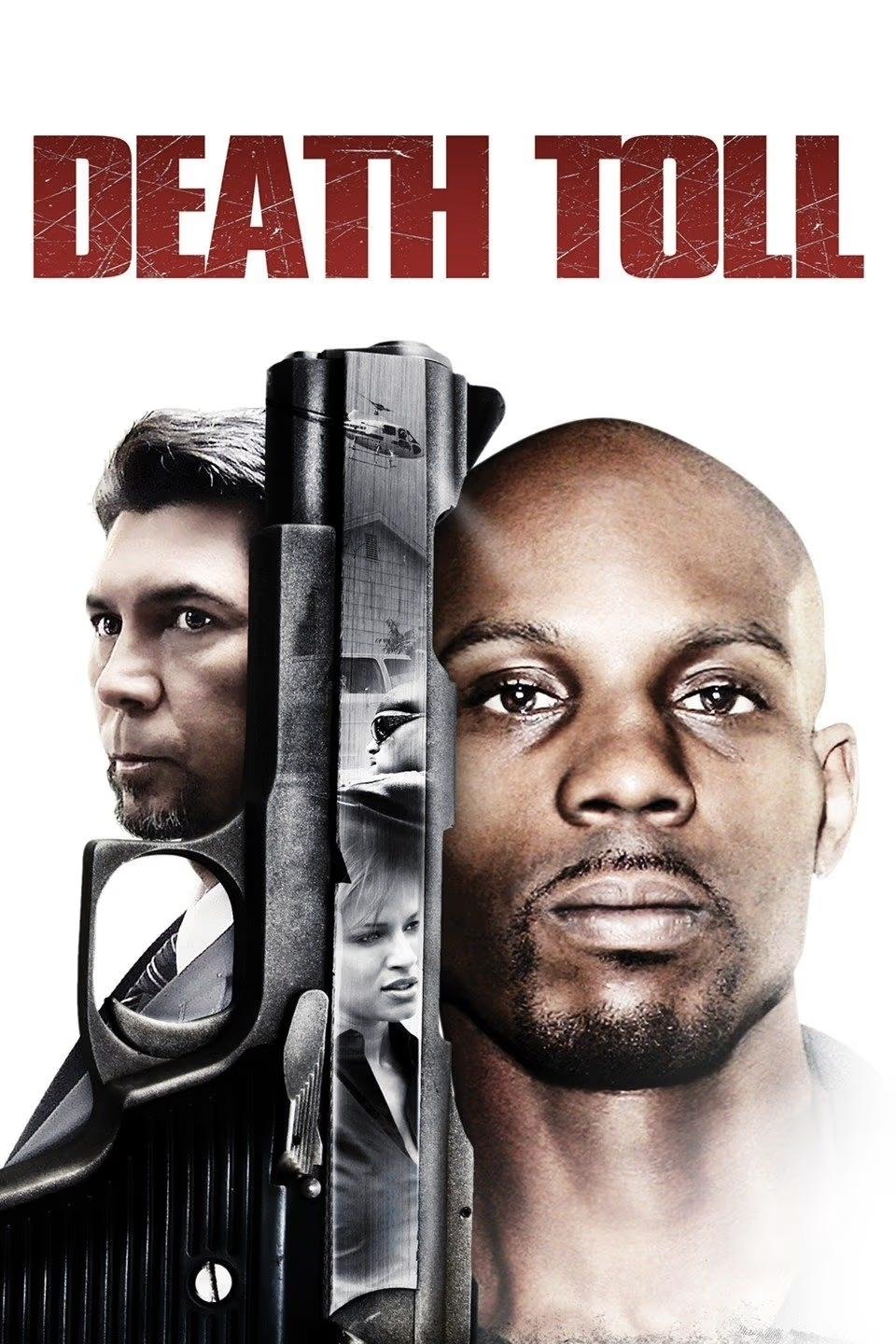
Story Structure — 4 Plot Phases
Criminal Ascendancy
The Dog seizes control of New Orleans' drug trade, establishing a ruthless empire.
Key Events
-
Rise to Power — The Dog establishes control over the city's drug trade. Characters: The Dog (Narrator)
Location: New Orleans
-
City Under Siege — Bloodshed escalates as criminal factions clash. Characters: The Dog (Narrator)
Location: New Orleans
-
Drug Network Expansion — The Dog consolidates supply chains across the city. Characters: The Dog (Narrator)
Location: New Orleans
-
Street Chaos — Uncontrolled violence disrupts public order.
Location: New Orleans
Escalating Chaos
Authorities attempt to intervene, but street violence intensifies dramatically.
Key Events
-
Authorities Mobilize — Law enforcement begins scrambling to intercept operations.
Location: New Orleans
-
Worsening Streets — Interventions trigger increased violence and chaos.
Location: New Orleans
-
Ruthlessness Revealed — The Dog's legendary cruelty and far-reaching power are demonstrated. Characters: The Dog (Narrator)
Location: New Orleans
-
Street Chaos — Uncontrolled violence disrupts public order.
Location: New Orleans
-
Intelligence Gathering — Detectives compile evidence on The Dog's operations.
Location: New Orleans
-
Power Consolidation — The Dog eliminates rivals to secure top position. Characters: The Dog (Narrator)
Location: New Orleans
Targeted Elimination
Law enforcement identifies The Dog and launches a mission to neutralize him.
Key Events
-
Ruthlessness Revealed — The Dog's legendary cruelty and far-reaching power are demonstrated. Characters: The Dog (Narrator)
Location: New Orleans
-
Target Acquired — Authorities confirm The Dog's identity and location.
Location: New Orleans
-
Elimination Order — A formal mission to neutralize The Dog is initiated. Characters: The Dog (Narrator)
Location: New Orleans
-
Civilian Risk — Civilians become collateral damage in the crossfire. Characters: The Dog (Narrator)
Location: New Orleans
-
High Stakes Operation — A coordinated raid is planned to capture The Dog.
Location: New Orleans
Race Against Fate
The final push to stop The Dog tests whether justice can prevail over impunity.
Key Events
-
Civilian Risk — Civilians become collateral damage in the crossfire. Characters: The Dog (Narrator)
Location: New Orleans
-
Race Against Time — Law enforcement accelerates operations to prevent further casualties.
Location: New Orleans
-
Lawless Territory — The Dog's operations continue unchecked in certain districts. Characters: The Dog (Narrator)
Location: New Orleans
-
Final Standoff — Confrontation approaches as stakes reach their peak. Characters: The Dog (Narrator)
Location: New Orleans
-
Mission Outcome — The final attempt to bring The Dog to justice unfolds. Characters: The Dog (Narrator)
Location: New Orleans
-
Legal Question — Narrative poses whether The Dog remains above the law.
Location: New Orleans
-
City's Fate — The aftermath of the conflict determines the city's future. Characters: The Dog (Narrator)
Location: New Orleans
-
High Stakes Operation — A coordinated raid is planned to capture The Dog.
Location: New Orleans
-
Ultimate Confrontation — Direct clash between law enforcement and The Dog. Characters: The Dog (Narrator)
Location: New Orleans