Plot Analysis Summary
A documentary explores the lasting influence, emotional power, and creative legacy of a legendary filmmaker through memories, locations, and imagined dialogue.
Story Structure — 6 Plot Phases
Entering the Sacred Location
Visitors arrive at a secluded film location and inspect its objects and warning signs. Their nervous humor leads into reflection on the filmmaker's intimidating reputation.
Key Events
-
Arrival at the Film Location — Visitors arrive at a secluded location associated with the filmmaker.
Location: Secluded film location
-
The Old Tree — The visitors examine an old tree at the location.
Location: Secluded film location
-
Wizard of Oz Prop — They inspect a prop associated with The Wizard of Oz.
Location: Secluded film location
-
Signs of Private Space — Signs marking a private area add to the visitors' nervousness.
Location: Secluded film location
-
Entering Without Shoes — The visitors remove their shoes before entering the preserved set.
Location: Preserved film set
-
The Reputation of the Director — The discussion examines why filmmakers and audiences feel intimidated by the director's reputation.
Location: Preserved film set
Memories of First Encounters
Interviewees recall discovering the films and describe the local excitement surrounding Summer with Monika. They also acknowledge their incomplete knowledge of the extensive filmography.
Key Events
-
The Reputation of the Director — The discussion examines why filmmakers and audiences feel intimidated by the director's reputation.
Location: Preserved film set
-
First Encounters with the Films — Interviewees recall their first encounters with the filmmaker's work.
Location: Interview setting
-
Summer with Monika Memory — One interviewee remembers seeing Summer with Monika as a teenager in Brooklyn.
Location: Brooklyn
-
The Nude Scene Debate — The remembered nude scene is described as a source of local excitement.
Location: Brooklyn
-
Limits of Film Knowledge — Interviewees admit they have seen only part of the extensive filmography.
Location: Interview setting
Revisiting Iconic Images
The discussion examines The Seventh Seal, The Magician, and The Virgin Spring. Familiarity, violence, morality, and the changing impact of iconic scenes become central concerns.
Key Events
-
Limits of Film Knowledge — Interviewees admit they have seen only part of the extensive filmography.
Location: Interview setting
-
Death Plays Chess — The conversation turns to The Seventh Seal and its image of Death playing chess.
Location: Discussion setting
-
Familiarity Changes Fear — The once-radical image is considered familiar, clichéd, or even comic.
Location: Discussion setting
-
The Magician Examined — The interviewees discuss the significance of The Magician.
Location: Discussion setting
-
The Virgin Spring Debate — The Virgin Spring is discussed through religious innocence, violence, and revenge.
Location: Discussion setting
Cinema and Personal Change
The interviewees explain how age, education, repeated screenings, and viewing conditions reshape interpretation. The films become an ongoing spiritual and philosophical debate.
Key Events
-
Films Change with Age — Repeated screenings, age, education, and viewing circumstances alter responses to films.
Location: Interview setting
-
Cinema as Spiritual Debate — The filmmaker's work is presented as an ongoing spiritual and philosophical debate.
Location: Interview setting
Landscape and Creative Risk
A visit to an ordinary track demonstrates how filmmaking transforms reality. The discussion then turns to radical cinematic language and the safe atmosphere that enables creative risk.
Key Events
-
Visit to the Track — A visit to an ordinary track reveals how filmmaking transformed the landscape.
Location: Abandoned-looking track
-
Radical Cinematic Language — The discussion praises the director's radical cinematic language, especially in Persona.
Location: Abandoned-looking track
-
Safe Creative Atmosphere — A great director is said to create safety for actors and crews to take risks.
Location: Interview setting
A Final Imagined Invitation
A memory of Fanny and Alexander emphasizes truthful performance and the disappearance of the actors into their roles. The documentary closes with an imagined invitation and a cautious acceptance.
Key Events
-
Fanny and Alexander Memory — An actor recalls being introduced to Fanny and Alexander by a grandmother.
Location: Interview setting
-
Truthful Performances — The performances are remembered as so truthful that the actors seemed to disappear.
Location: Interview setting
-
Invitation to Make a Film — The ending imagines an invitation to lead a film about God and infidelity.
Location: Imagined film conversation
-
Cautious Acceptance — The invitation receives cautious curiosity followed by an ultimate willingness to accept.
Location: Imagined film conversation
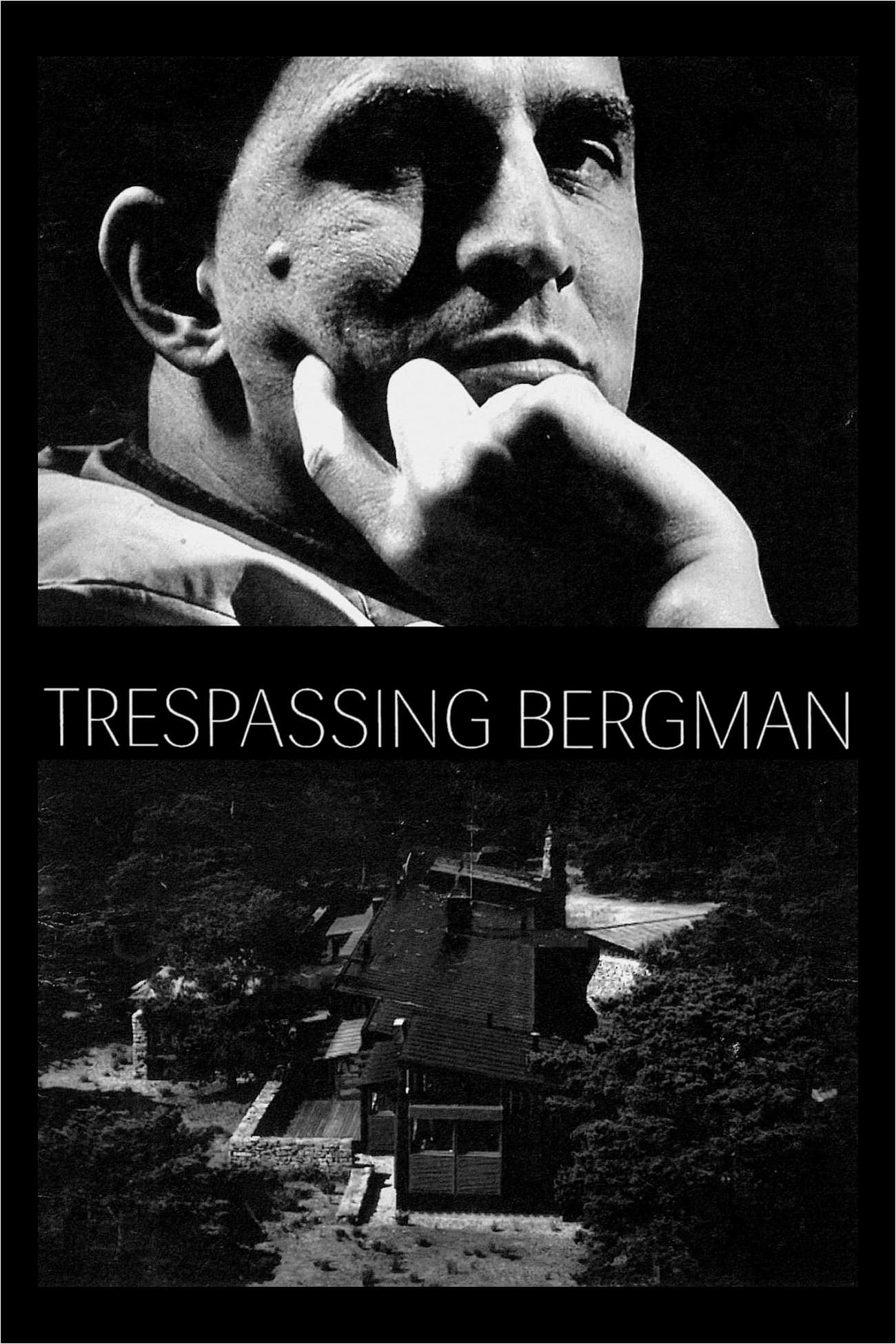
In the sixties, Swedish filmmaker Ingmar Bergman (1918-2007) built a house on the remote island of Fårö, located in the Baltic Sea, and left Stockholm to live there. When he died, the house was preserved. A group of very special film buffs, came from all over the world, travel to Fårö in search of the genius and his legacy. (An abridged version of Bergman's Video, 2012.)