Plot Analysis Summary
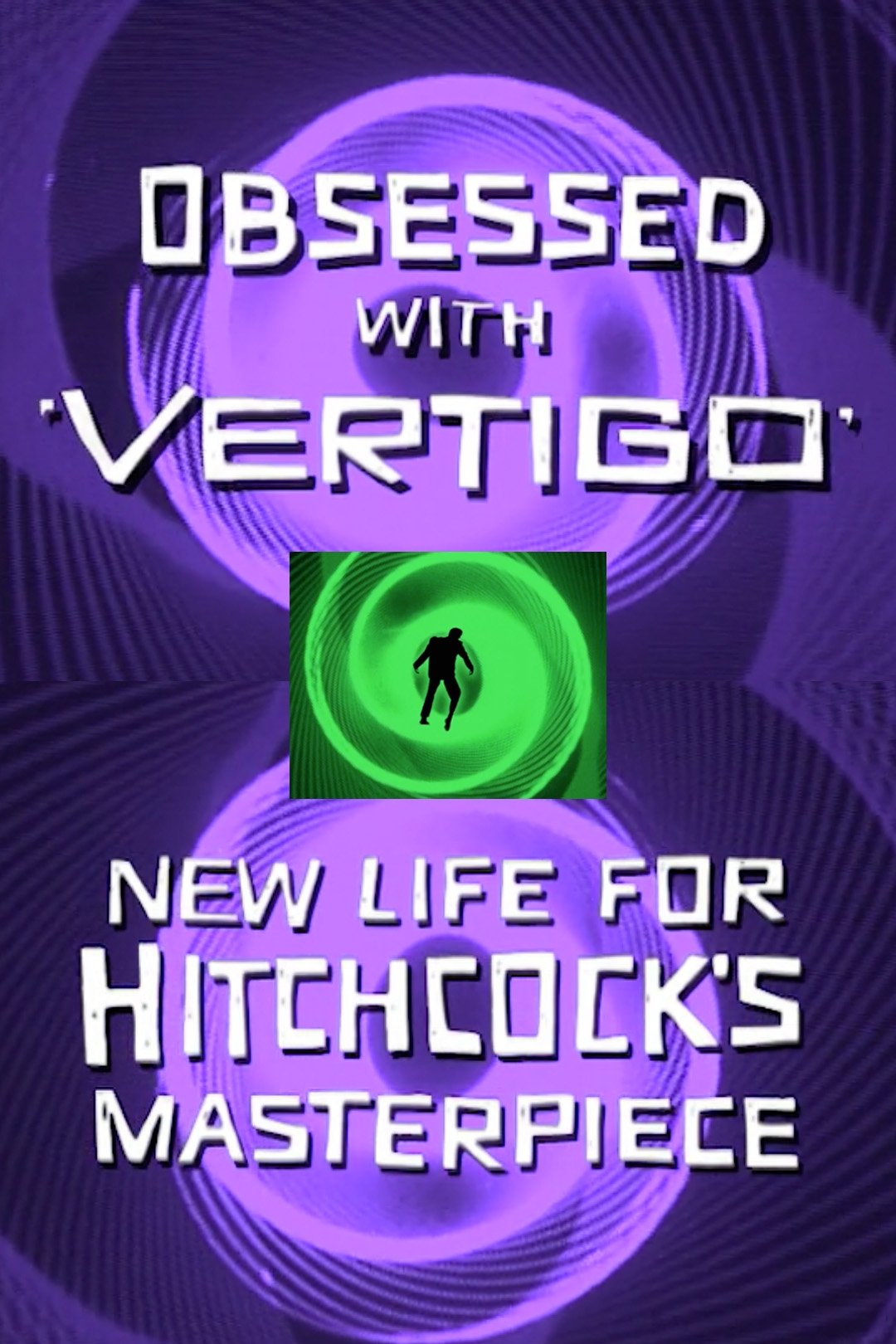
A behind-the-scenes exploration of the production, restoration, and legacy of Alfred Hitchcock's classic film.
Story Structure — 4 Plot Phases
Introduction to the Masterpiece
The documentary opens with Roddy McDowall's narration, introducing the film's historical significance. Original cast members Barbara Bel Geddes and Kim Novak are presented alongside archival materials.
Key Events
-
Documentary Opening & Narration Setup — Roddy McDowall introduces the documentary's focus on Vertigo's production.
Location: Documentary Studio
-
Cast Introductions & Background — Original cast members are introduced alongside their historical context.
Location: Interview Set
-
Behind-the-Scenes Discussions Begin — Cast and crew share initial behind-the-scenes anecdotes from the original production.
Location: Panel Discussion Room
-
Production Design & Set Construction — Production team details the construction and design of key film locations.
Location: Archival Footage Review
-
1950s Hollywood Studio System Overview — The documentary explores the broader context of 1950s Hollywood production methods.
Location: Documentary Studio
-
Restoration Process Introduction — Experts introduce the technical challenges and goals of restoring the original film.
Location: Restoration Lab
Behind the Scenes of Production
Production veterans Henry Bumstead and Peggy Robertson detail the 1950s studio workflow and set construction. The segment explores the collaborative environment and creative constraints of the era.
Key Events
-
Restoration Process Introduction — Experts introduce the technical challenges and goals of restoring the original film.
Location: Restoration Lab
-
Archival Research & Footage Analysis — Detailed breakdown of how archival materials were located and analyzed.
Location: Archive Vault
-
Directorial Vision & Creative Techniques — Scorsese analyzes the creator's unique cinematic techniques and storytelling approach.
Location: Interview Set
-
Family Perspective on the Creator — Hitchcock's daughter provides personal insights into the creator's working methods.
Location: Documentary Studio
-
Technical Challenges in Preservation — Experts discuss the technical hurdles faced during the film's digital restoration.
Location: Restoration Lab
-
Cast Reflections on Character Portrayal — Actors reflect on their character development and on-set experiences.
Location: Interview Set
The Restoration Journey
Experts Robert A. Harris and James C. Katz lead a deep dive into the technical restoration process. Archival research, digital scanning, and color correction challenges are thoroughly examined.
Key Events
-
Cast Reflections on Character Portrayal — Actors reflect on their character development and on-set experiences.
Location: Interview Set
-
Studio Workflow & Crew Collaboration — Detailed look at how cast and crew coordinated during the original shoot.
Location: Archival Footage Review
-
Fresh Perspectives on the Motion Picture — The program delivers new analytical viewpoints on the film's narrative structure.
Location: Documentary Studio
-
Archival Footage Review & Comparison — Technical team compares original footage with restored sequences.
Location: Restoration Lab
-
Historical Context of 1950s Hollywood — Discussion on how the 1950s studio environment influenced the film's creation.
Location: Documentary Studio
-
Directorial Vision vs. Studio Constraints — Analysis of how creative vision navigated studio system limitations.
Location: Interview Set
Legacy and Cinematic Impact
Martin Scorsese and Patricia Hitchcock analyze the creator's directorial vision and its lasting influence. The documentary concludes with cast reflections and a synthesis of the film's historical and artistic legacy.
Key Events
-
Directorial Vision vs. Studio Constraints — Analysis of how creative vision navigated studio system limitations.
Location: Interview Set
-
Legacy & Cinematic Impact Discussion — Participants reflect on the film's lasting influence on modern cinema.
Location: Documentary Studio
-
Restoration Completion & Final Review — Technical team presents the completed restoration for final quality checks.
Location: Restoration Lab
-
Creator's Influence on Modern Filmmaking — Scorsese connects the creator's techniques to contemporary directorial practices.
Location: Documentary Studio
-
Documentary Conclusion & Final Perspectives — Narrator and interviewees synthesize their insights for the documentary's conclusion.
Location: Documentary Studio