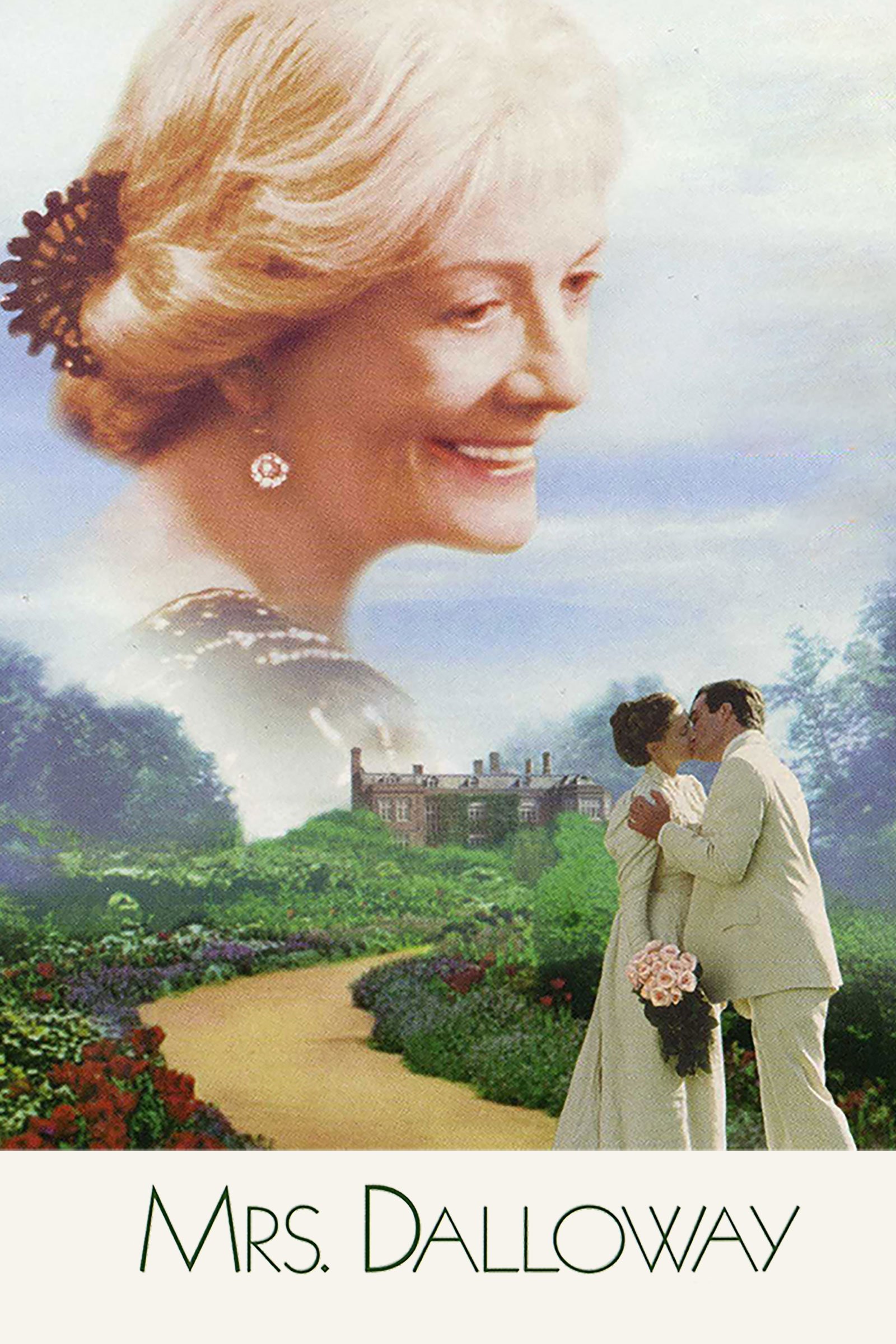
Mrs. Dalloway (1997) character relationship network mapped with AI analysis. Explore the connections, alliances, and conflicts between characters.
Characters
Mrs. Clarissa Dalloway
(played by Vanessa Redgrave) — protagonist
Central protagonist preparing for an evening party in Westminster. She reflects on her past choices, particularly valuing her dependable husband Richard over her passionate suitor Peter Walsh. Later,...
Young Clarissa
(played by Natascha McElhone) — protagonist
Peter Walsh
(played by Michael Kitchen) — supporting
A passionate former suitor who arrives at Clarissa's home, revealing personal turmoil in his career and love life. His appearance reinforces Clarissa's decision to value her stable marriage over their...
Young Peter
(played by Alan Cox) — supporting
Septimus Warren Smith
(played by Rupert Graves) — supporting
Rezia Warren Smith
(played by Amelia Bullmore) — minor
Sir William Bradshaw
(played by Robert Hardy) — minor
Young Sally
(played by Lena Headey) — supporting
Clarissa's former lesbian lover who attends the evening party. She is now married to a self-made millionaire and raises five children, representing a significant figure from Clarissa's past.
Richard Dalloway
(played by John Standing) — supporting
Clarissa's husband, characterized as unexciting but affectionate and dependable. His stability contrasts with Peter Walsh's turmoil, validating Clarissa's life choices.
Canonical Relationships
Family, romantic, and professional connections based on plot evidence.
Septimus Warren Smith → Sir William Bradshaw
(Professional Doctor And Patient) — Bradshaw's medical authority becomes a source of power and fear for Septimus, who resists being separated from Rezia.
Doctors dismiss Septimus's suffering as nerves, while Sir William Bradshaw decides that he should be sent to one of his homes.
Septimus Warren Smith → Rezia Warren Smith
(Family Spouses) — Rezia acts as Septimus's closest protector while struggling against his fear, guilt, and emotional withdrawal.
Rezia is identified as Septimus's wife and tries to comfort him, protect his writings, and accompany him if he is sent away.
Peter Walsh → Young Peter
(Temporal Earlier Self) — The younger Peter embodies the emotional intensity that still unsettles him and Clarissa in the present.
Peter's present visit is framed through memories of the passionate young man who once sought complete closeness with Clarissa.
Mrs. Clarissa Dalloway → Young Clarissa
(Temporal Earlier Self) — The film links adult Clarissa's present identity to memories of her youthful desires and decisions.
Clarissa repeatedly reflects on her youth and on the choices made by the younger woman she once was.
Young Clarissa → Young Sally
(Romantic Former Lovers) — Their past intimacy remains an important memory against which Clarissa measures her later social and marital life.
The character profile identifies Young Sally as Clarissa's former lesbian lover, and the plot recalls how Young Sally helped shape Clarissa's choices.
Young Clarissa → Young Peter
(Former Romantic Connection) — Their youthful connection forms the emotional history behind the adult Clarissa and Peter's unsettled reunion.
Clarissa remembers her youth and the relationship that shaped her choices with Peter Walsh; the younger versions represent that earlier period.
Mrs. Clarissa Dalloway → Peter Walsh
(Romantic Former Lovers) — Their reunion reopens unresolved romantic feelings and confirms how differently they understood their former relationship.
Peter visits Clarissa unexpectedly, and their conversation revives a complicated past in which he wanted complete closeness while she felt suffocated.
Mrs. Clarissa Dalloway → Richard Dalloway
(Family Spouse) — Richard represents the stable, affectionate marriage Clarissa chose instead of her more demanding past relationship with Peter.
The plot explicitly describes Clarissa thinking about her marriage to Richard Dalloway and valuing his dependable nature.
Story Dynamics
Alliances, conflicts, and narrative interactions that evolve throughout the story.
Mrs. Clarissa Dalloway → Young Sally
(Social Former Intimates) — Sally's presence connects Clarissa's public present with the intimacy and freedom associated with her youth.
The plot recalls Young Sally as a major figure from Clarissa's youth, while the character profile identifies her as Clarissa's former lover who attend...
Mrs. Clarissa Dalloway → Septimus Warren Smith
(Narrative Parallel Lives) — Septimus's fate forces Clarissa to confront the hidden costs of the society whose rituals she is hosting.
At her party, Clarissa contemplates Septimus's suicide while reflecting on the distance between public appearances and private suffering.
Story Analysis
A single London day connects Clarissa's social performance, unresolved memories, and Septimus's hidden suffering.
Plot Progression
Flowers And Former Lives
— Clarissa walks through London to buy flowers while recalling youth, Peter, Sally, and the fragility of life. Her preparations establish the contrast between private memory and public ceremony.
The Visitor From India
— Peter unexpectedly visits Clarissa after returning from India. Their conversation revives old desire, resentment, and the choices that separated them.
The Wounded Survivor
— Septimus remains haunted by war while Rezia tries to protect and comfort him. Medical authority dismisses his suffering and threatens to separate him from her.
Rituals Of The Evening
— Guests arrive at Clarissa's party, where social conversation covers government, society, and India. Peter observes the gathering as a performance rather than genuine intimacy.
Private Lives In Public
— Clarissa reflects on Septimus's suicide while maintaining the party's social rituals. The gathering continues, leaving public appearance and private suffering unresolved.
Directed by Marleen Gorris
Mrs. Dalloway (1997) · 5.7/10 · drama, romance
Content sources
Related entry on
Wikidata
(Q12126327), public domain (CC0).
Plot breakdown and analysis on this page are AI-generated from the title's synopsis and metadata.