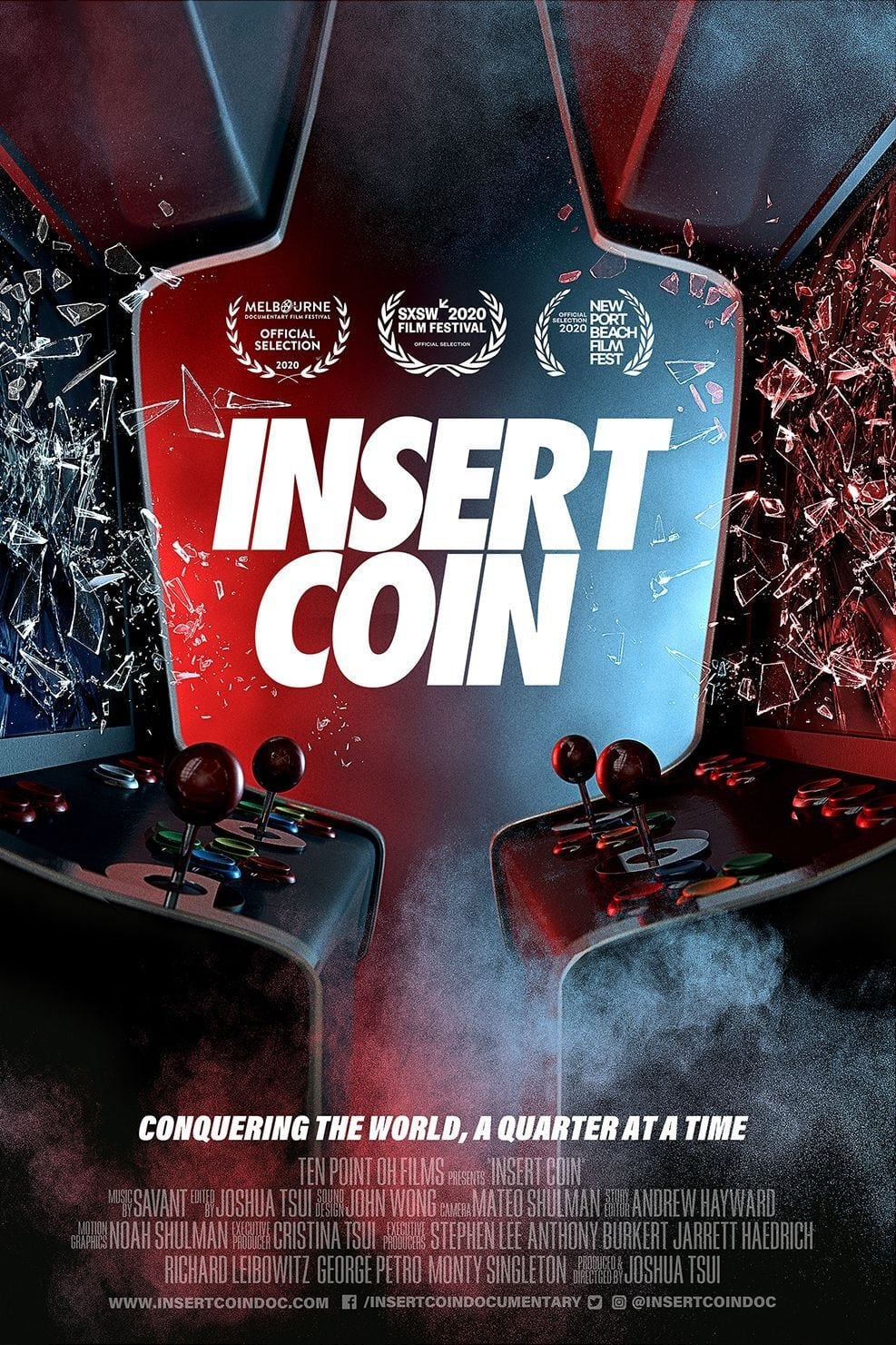
The documentary traces how arcade competition, creative risk, controversy, and reward systems shaped the rise of the video game industry.
Story Structure — 4 Plot Phases
Arcades Find Their Voice
The documentary introduces Midway's rebellious identity and the explosive early growth of arcade gaming. Defender and other major hits demonstrate the industry's rising commercial power.
Key Events
Midway as Punk Rock Gaming — The documentary presents Midway as aggressive, irreverent, and willing to challenge accepted gaming rules. Characters: SelfLocation: Midway
The Arcade Golden Age — Interviewees describe the rapid growth of the early video game industry. Characters: SelfLocation: Arcade industry
Defender Breaks Through — Defender draws long lines and generates enormous value for its company. Characters: SelfLocation: Arcades
Arcade Hits Multiply — Major arcade hits expand the commercial possibilities of video games. Characters: SelfLocation: Arcade industry
The 1984 Crash — Low-quality clones and rushed home conversions flood the market. Characters: SelfLocation: Video game market
Crash and Reconstruction
Low-quality clones and rushed home conversions trigger the 1984 video game crash. Customer frustration and collapsing sales force the industry to rebuild its standards.
Key Events
Customers Lose Trust — Customer frustration grows as sales collapse across the industry. Characters: SelfLocation: Video game market
The Industry Rebuilds — The industry begins rebuilding its standards after the crash. Characters: SelfLocation: Video game industry
Williams Factory Culture — The documentary examines Williams teams working in a rough factory environment. Characters: SelfLocation: Williams factory
Competition at Williams — Teams are encouraged to compete intensely while creating games. Characters: SelfLocation: Williams factory
Bally Midway Legacy — Bally Midway is discussed through its pinball and arcade successes. Characters: SelfLocation: Bally Midway
Competition Breeds Mortal Kombat
Williams and Bally Midway are presented through intense working cultures and contrasting design philosophies. Mortal Kombat becomes the decisive example of ambition pushed beyond accepted limits.
Key Events
Two Design Philosophies — One side emphasizes technically demanding games, while the other favors accessible and funny experiences. Characters: SelfLocation: Arcade industry
Mortal Kombat Emerges — Mortal Kombat deliberately pushes violence and taste beyond normal industry limits. Characters: SelfLocation: Mortal Kombat development
Fatalities Are Discovered — Players quickly discover hidden finishing moves and make them central to the game's identity. Characters: SelfLocation: Arcades
Violence Becomes Identity — Extra violent variations and humorous finishing moves expand the phenomenon. Characters: SelfLocation: Mortal Kombat development
Media Backlash Begins — Political and media criticism targets the game's violent content. Characters: SelfLocation: Media and political debate
Controversy Becomes Success
Political and media backlash increases Mortal Kombat's publicity. Conflicting Nintendo and Sega home versions help define the game's cultural and commercial impact.
Key Events
Controversy Drives Publicity — The criticism generates publicity and helps drive sales. Characters: SelfLocation: Video game market
Nintendo Removes Blood — Nintendo softens the home version by replacing blood with sweat. Characters: SelfLocation: Home console market
Sega Keeps the Edge — Sega preserves arcade violence through a blood code and markets itself as edgier. Characters: SelfLocation: Home console market
Mortal Kombat Reaches Film — Mortal Kombat expands into a successful feature film centered on Raiden. Characters: SelfLocation: Feature film market
Bonuses Intensify Competition — Large entrepreneurial bonuses motivate teams to keep creating ambitious games. Characters: SelfLocation: Game development companies
Story Breakdown
Midway's Rebellious Identity — Midway is introduced as a punk-rock force that challenges accepted rules in gaming.
Punk Rock Gaming — The company is characterized as aggressive and irreverent.
Early Industry Growth — The arcade business rapidly expands beyond simple games.
Arcade Golden Age — Major arcade successes demonstrate the growing cultural and commercial power of video games.
Defender's Breakthrough — Defender draws long lines and creates enormous value.
Hit Game Expansion — Space Invaders, Pac-Man, and Donkey Kong reinforce the boom.
Crash and Recovery — The 1984 crash exposes weak standards before the industry begins rebuilding.
Clone Saturation — Low-quality clones and rushed home conversions flood the market.
Standards Rebuilt — Customer frustration and falling sales force a recovery.
Williams Factory Rivalry — A rough working environment encourages intense competition among game-making teams.
Gritty Work Culture — Williams teams operate in a factory setting.
Competitive Teams — Designers are encouraged to compete intensely.
Bally Midway Contrast — The documentary compares Bally Midway's history and design approach with technically demanding competitors.
Pinball and Arcades — Bally Midway is associated with major pinball and arcade successes.
Accessible Game Design — One approach favors funny, accessible, immediately playable experiences.
Mortal Kombat Disruption — Mortal Kombat pushes violence beyond industry expectations and turns controversy into identity.
Expanded Violence — Violent variations and humorous finishing moves enlarge the phenomenon.
Political Media Backlash — Criticism of Mortal Kombat creates a public conflict that ultimately increases attention.
Public Controversy — Political and media reactions target the game's violence.
Publicity Through Criticism — The backlash helps drive sales rather than stopping the game.
Console Version Conflict — Nintendo and Sega take opposing approaches to Mortal Kombat's home adaptations.
Nintendo Softens Blood — Nintendo replaces blood with sweat in its home version.
Sega Preserves Violence — Sega uses a blood code and markets itself as edgier.
Commercial Cultural Afterlife — Mortal Kombat becomes a major business and expands successfully into film.
Feature Film Expansion — A successful film centered on Raiden surprises skeptics.
Rewarding Ambition — Large team bonuses motivate designers to pursue ambitious games.
The oral history of a team of geeks and misfits in the back of a Chicago factory creating the biggest video games of all time. Midway Games pioneered the concept of live-action gaming, kick-starting a new arcade boom and grossing billions of dollars with hits like Mortal Kombat and NBA Jam. The documentary covers much of Mortal Kombats history, including the creation of fatalities and characters such as Liu Kang, Kitana, Johnny Cage and Scorpion.