Story Structure — 4 Plot Phases
Legacy of the Dictatorship
The narrative opens with the fall of the 1976 military dictatorship and the subsequent launch of democratic reforms. Initial hope for economic liberalization sets the stage for a period of perceived stability and growth.
Key Events
-
Fall of Military Dictatorship — Transition from 1976 military rule to democratic governance
Location: Buenos Aires
-
Launch of Democratic Reforms — Initiative to transform Argentina into a liberal economy
Location: National Congress
The Illusion of Democratic Reforms
Privatization drives and debt accumulation mask underlying systemic corruption. State companies are sold below value while officials divert funds, creating a fragile economic facade.
Key Events
-
Privatization of State Companies — Sale of unprofitable companies below market value
Location: Government Offices
-
Diversion of Privatization Funds — Misappropriation of proceeds into personal pockets
Location: Private Accounts
-
Rampant Sector Corruption — Systemic graft in political and financial institutions
Location: Boardrooms
-
Exorbitant National Debt Accumulation — Sovereign debt burden cripples economic stability
Location: Treasury
-
Privatization Contracts — Signed agreements facilitating asset transfer
Location: Government Offices
Systemic Collapse and Corruption
Multinational complicity and rampant graft accelerate widespread poverty, malnutrition, and unemployment. The banking system finally collapses, wiping out citizen savings and triggering social unrest.
Key Events
-
Widespread Malnutrition Crisis — Food scarcity emerges despite traditional exports
Location: Urban Slums
-
Mass Unemployment Surge — Job losses accelerate poverty across demographics
Location: Factory Gates
-
Banking System Collapse — Final financial crash wipes out citizen savings
Location: Bank Branches
-
Multinational Complicity Exposed — Foreign entities accused of enabling economic regression
Location: Global Summits
-
December 19-20 Revolt Erupts — Mass uprising against statism and corruption
Location: City Streets
-
Buenos Aires Streets — Primary site of the December 2001 uprising
Location: City Streets
December Revolt and Cinematic Truth
Mass protests erupt in December 2001 as citizens reject statism and corruption. The documentary shifts focus to expose the catastrophe's mechanisms while celebrating the enduring dignity of the Argentine people.
Key Events
-
December 19-20 Revolt Erupts — Mass uprising against statism and corruption
Location: City Streets
-
Concealment of Social Problems — Authorities mask twenty-five years of decline
Location: Media Outlets
-
Public Asset Looting — Systematic stripping of national wealth
Location: State Vaults
-
Regression into Statism — Policy shift reverses liberal economic goals
Location: Legislative Chambers
-
Documentary Filming Begins — Director captures socio-economic catastrophe
Location: Film Set
-
Mechanisms of Catastrophe Unveiled — Film exposes structural failure drivers
Location: Screen
-
Highlighting Citizen Dignity — Focus shifts to courage amid poverty
Location: Community Centers
-
Globalization Critique — Analysis of external economic pressures
Location: International Forums
-
Message of Alternative Future — Advocacy that another world is possible
Location: Audience
-
Historical Reflection Period — Retrospective on twenty-five years of decline
Location: National Archives
-
Buenos Aires Streets — Primary site of the December 2001 uprising
Location: City Streets
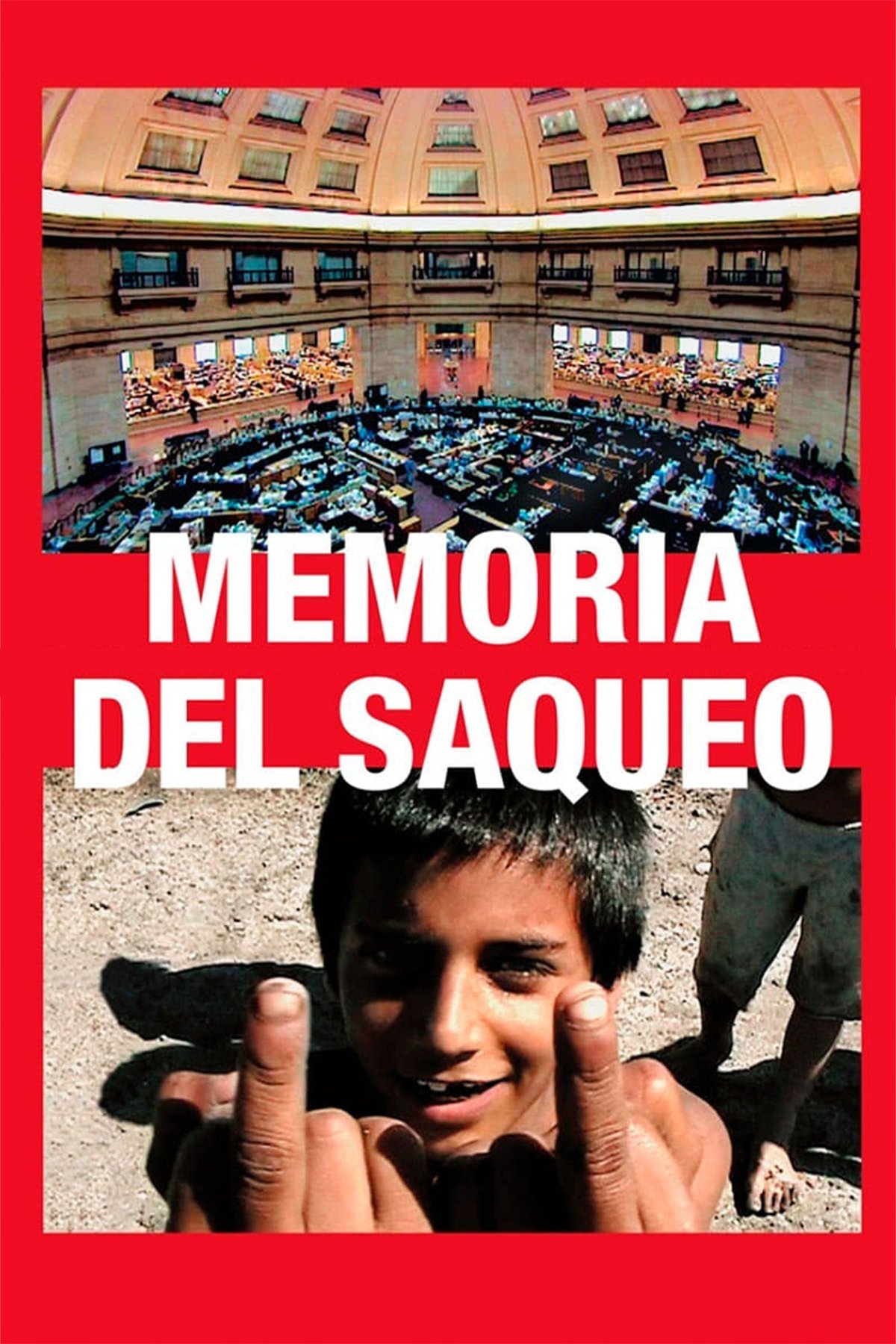
After the fall of the military dictatorship in 1983, successive democratic governments launched a series of reforms purporting to turn Argentina into the world's most liberal and prosperous economy. Less than twenty years later, the Argentinians have lost literally everything: major national companies have been sold well below value to foreign corporations; the proceeds of privatizations have been diverted into the pockets of corrupt officials; revised labour laws have taken away all rights from employees; in a country that is traditionally an important exporter of foodstuffs, malnutrition is widespread; millions of people are unemployed and sinking into poverty; and their savings have disappeared in a final banking collapse. The film highlights numerous political, financial, social and judicial aspects that mark out Argentina's road to ruin.