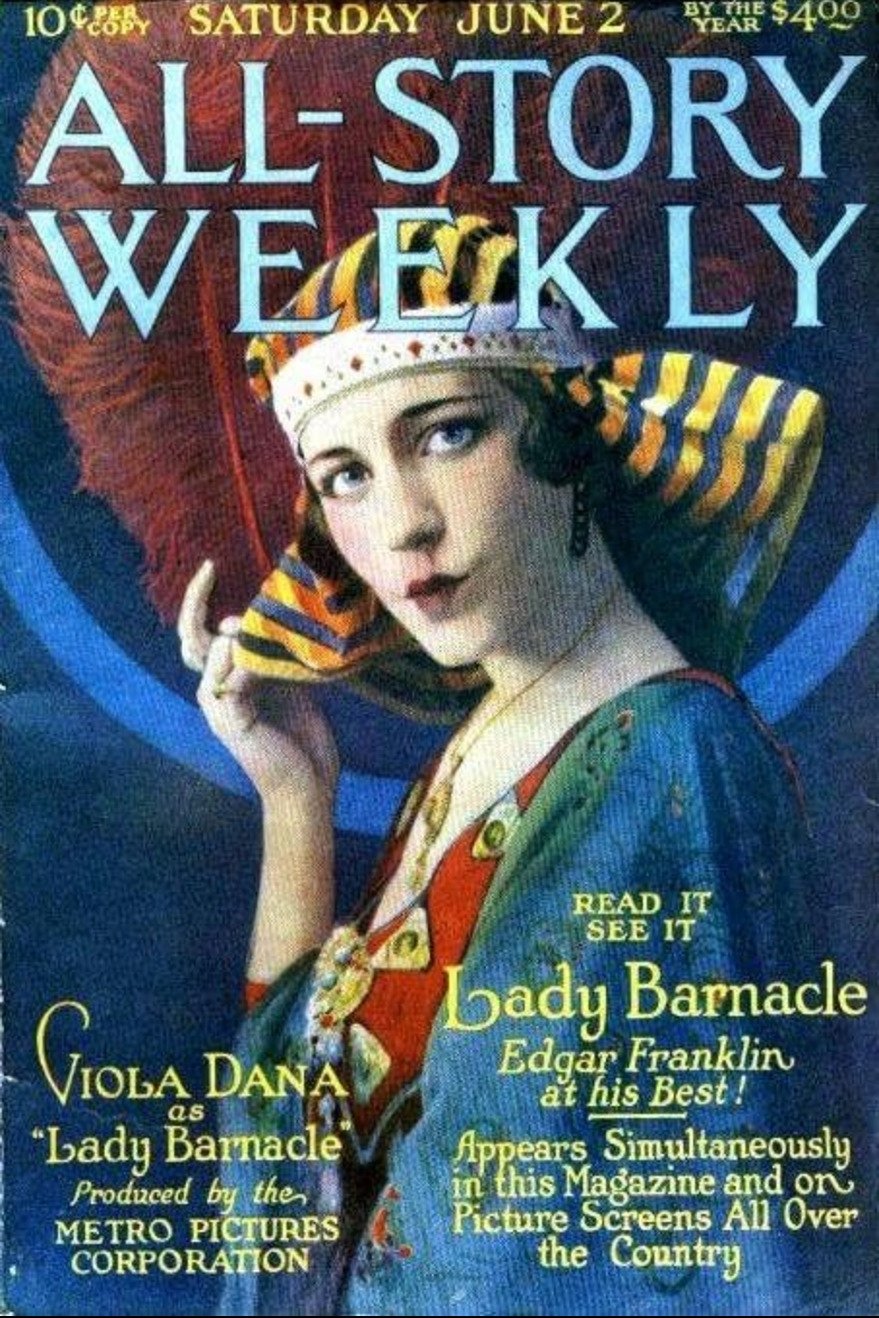
A 1917 American silent comedy centered on Lakshima and George Morling.
Story Structure — 4 Plot Phases
Production Genesis
The film enters development with director John H. Collins assigned to lead the project.
Key Events
Cast Announcement — Main cast members are announced for the film. Location: Production Studio
Director Credit — Director John H. Collins takes charge of production. Location: Studio
Cast Assembly
Principal and supporting actors are finalized, establishing the core ensemble.
Key Events
Supporting Cast Integration — Supporting actors join the principal cast. Characters: Krishna Dhwaj, Nizam of Bandorporia, Anne MarbleLocation: Set
Filming & Refinement
Shooting progresses with focus on comedic timing and character dynamics.
Premiere & Release
The completed silent comedy is distributed and premieres on June 4, 1917.
Key Events
Film Release — Silent comedy premieres on June 4, 1917. Characters: Lakshima, George MorlingLocation: Theaters
Final Production — Final edits complete ahead of release. Characters: Lakshima, George Morling, Maharajah Bhartari-Hari Pal SinghLocation: Editing Room
Story Breakdown
Protagonist Arc — Focuses on Lakshima and George Morling as the central leads.
Lakshima Introduction — Viola Dana portrays the titular character.
George Morling Role — Robert Walker plays the male lead counterpart.
Supporting Ensemble — Expands the narrative with key secondary characters.
Royal Figures — Maharajah and Nizam add cultural context.
Family & Friends — John Morling and Mary Fanning provide relational depth.
Director Vision — John H. Collins shapes the comedic tone and pacing.
Silent Comedy Style — Relies on visual gags and physical humor.
Pacing Structure — Balances dialogue scenes with action beats.
Production Context — Tracks the filmmaking process from start to finish.
Studio Development — Initial planning and script preparation.
Filming Execution — Principal photography and scene shooting.
Release Strategy — Manages distribution and audience reception.
Premiere Date — Scheduled for June 4, 1917.
Theatrical Run — Wide distribution across cinema circuits.
Historical Placement — Sits within the early American silent film era.
Genre Evolution — Reflects 1910s comedy trends.
Archival Status — Preserved in TCM and AFI catalogs.
Krishna Dhwaj, the son of the Maharajah of Rhamput, is in love with Lakshima, the daughter of the Maharajah of Bhartari, but their fathers will not allow them to marry. Krishna is then sent to Harvard to get an American education. Lakshima, determined to kill herself when her father orders her to marry an old man, jumps into the ocean. She does not drown, however, but is rescued by George Morling, a Bostonian, who smuggles her on board his ship dressed in boy's clothing. George, the son of a minister, is engaged to a proper Bostonian woman. Although he has not behaved improperly, George fears that his fiancé and her father will not understand the situation, and so he hides Lakshima in a trunk. Once back in Boston, George's fiancé discovers Lakshima and is horrified, but after several misunderstandings, George and his fiancé are reconciled, and Lakshima is able to find and marry her Indian sweetheart Krishna.