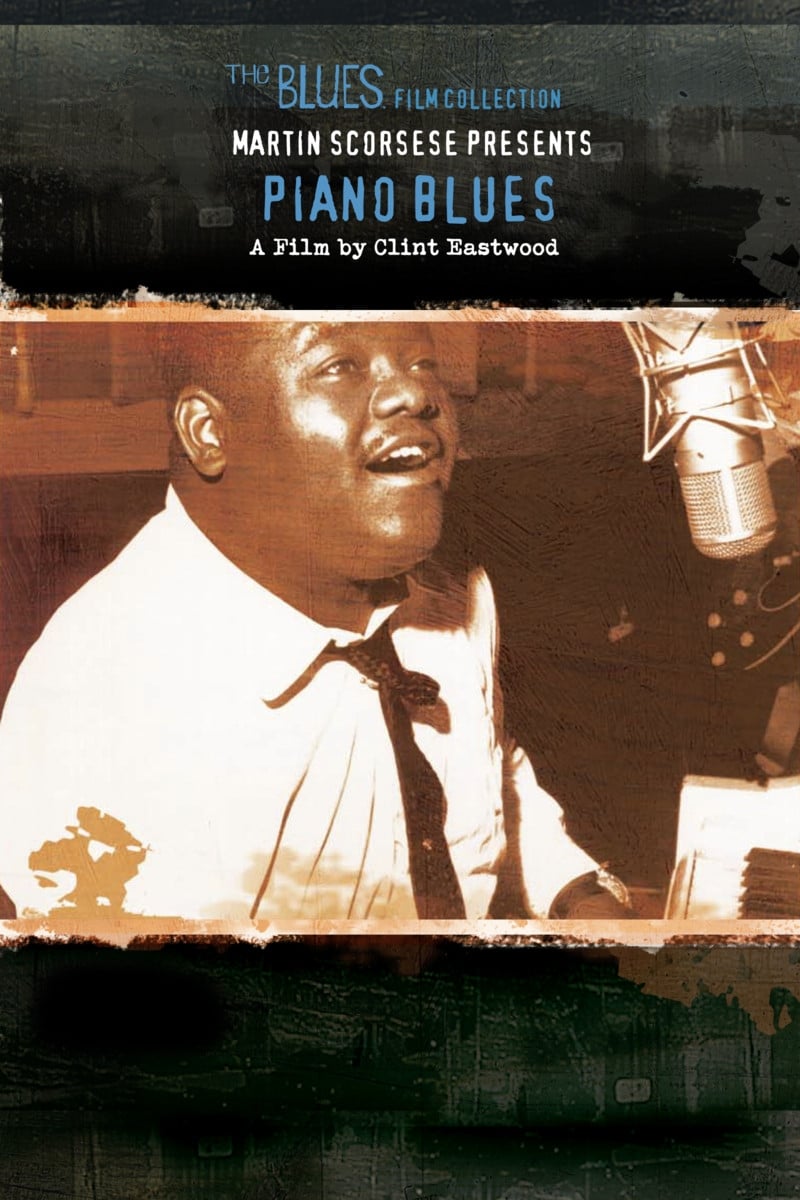
Plot Analysis Summary
Clint Eastwood's documentary explores piano blues and jazz through interviews, live performances, archival footage, and personal reflection.
Story Structure — 5 Plot Phases
A Personal Love of Piano
Eastwood introduces his lifelong passion for piano blues and jazz. The documentary uses interviews and performances to explore the music and its artists.
Key Events
-
Eastwood Introduces His Passion — Eastwood frames the documentary through his lifelong passion for piano blues and jazz.
Location: Not specified
-
The Roots of Piano Blues — The film explores piano blues through interviews and performances by featured musicians.
Location: Not specified
-
Ray Charles Interview and Performance — Ray Charles appears in an interview and live performance.
Location: Not specified
-
Dave Brubeck Interview and Performance — Dave Brubeck appears in an interview and live performance.
Location: Not specified
Voices of Piano Blues
Interviews and live performances feature Ray Charles, Dave Brubeck, Dr. John, Marcia Ball, Pinetop Perkins, Jay McShann, and Henry Gray. Their appearances present a range of perspectives on piano music.
Key Events
-
Dave Brubeck Interview and Performance — Dave Brubeck appears in an interview and live performance.
Location: Not specified
-
Dr. John Interview and Performance — Dr. John appears in an interview and live performance.
Location: Not specified
-
Marcia Ball Interview and Performance — Marcia Ball appears in an interview and live performance.
Location: Not specified
-
Pinetop Perkins Discusses Piano Blues — Pinetop Perkins is among the musicians interviewed about piano blues.
Location: Not specified
-
Jay McShann Shares His Perspective — Jay McShann appears among the interviewed musicians and archival performers.
Location: Not specified
-
Henry Gray Interview — Henry Gray is interviewed as part of the documentary's exploration of piano blues.
Location: Not specified
Archival Blues Performances
Archival footage presents piano players and performers from earlier eras. The Chess Records house band footage is highlighted, including Otis Spann and Willie Dixon.
Key Events
-
Henry Gray Interview — Henry Gray is interviewed as part of the documentary's exploration of piano blues.
Location: Not specified
-
Chess Records House Band Footage — Archival performances show the Chess Records house band with Otis Spann and Willie Dixon.
Location: Not specified
-
Pete Jolly Improvises — Pete Jolly is interviewed and performs as an improvising musician.
Location: Not specified
-
Phineas Newborn Introduction — Pete Jolly introduces Phineas Newborn in the documentary.
Location: Not specified
Jazz Improvisation and Legacy
Pete Jolly performs and introduces Phineas Newborn. Performances by Oscar Peterson and Thelonious Monk broaden the documentary's focus on jazz piano.
Key Events
-
Phineas Newborn Introduction — Pete Jolly introduces Phineas Newborn in the documentary.
Location: Not specified
-
Oscar Peterson Performances — The film includes several performances by Oscar Peterson.
Location: Not specified
-
Thelonious Monk Performances — The film includes several performances by Thelonious Monk.
Location: Not specified
-
Eastwood Recalls Fats Waller Records — Eastwood recalls his mother bringing home Fats Waller records and praising the piano playing.
Location: Not specified
A Personal and Cultural Conclusion
Eastwood recalls his mother's Fats Waller records as an early influence on his love of piano playing. He concludes by affirming the cultural importance of jazz and blues.
Key Events
-
Eastwood Recalls Fats Waller Records — Eastwood recalls his mother bringing home Fats Waller records and praising the piano playing.
Location: Not specified
-
Jazz and Blues as American Art — Eastwood describes jazz and blues as true American art forms, perhaps the only original ones.
Location: Not specified