Story Structure — 5 Plot Phases
Thematic Foundation
The documentary opens with Jessica Yu establishing the core thesis that human life mirrors Euripidean dramatic structure. Puppet performances introduce the visual and narrative framework that will guide the film.
Key Events
-
Documentary Opening — Director introduces the core thesis linking life to Greek drama.
Location: Studio
-
Puppet Scene 1 — Puppets enact a scene to mirror human life parallels.
Location: Stage
-
Klein Interview — Klein discusses his past and life choices.
Location: Interview Room
-
Opening Thesis Statement — Narrator establishes the Euripidean parallel concept.
Location: Studio
Subject Introductions
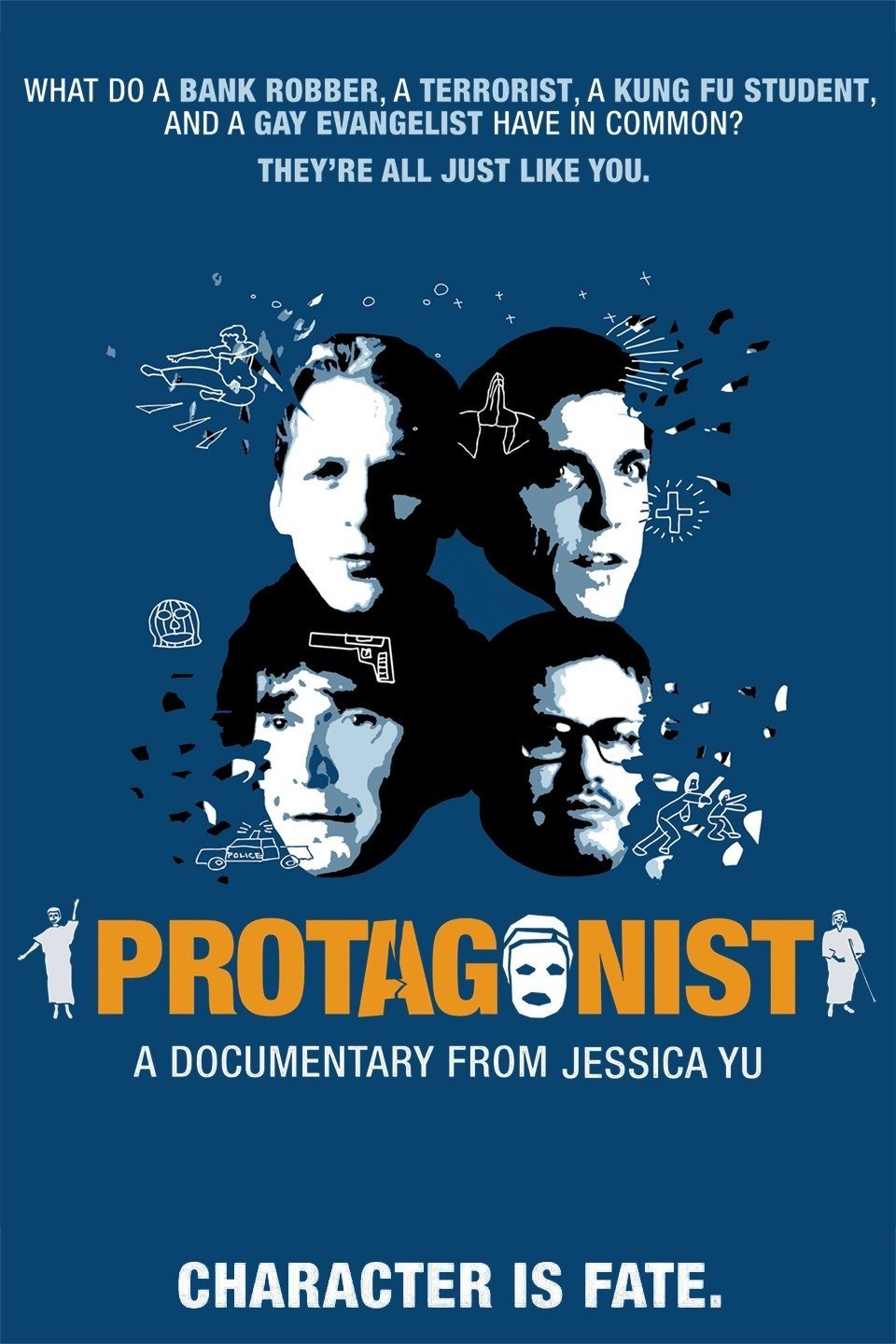
Extended interview segments delve into the personal histories of Hans-Joachim Klein, Mark Pierpont, Joe Loya, and Mark Salzman. Each subject reflects on their unique life path and pivotal decisions.
Key Events
-
Pierpont Interview — Pierpont reflects on his religious journey and transformation.
Location: Interview Room
-
Loya Interview — Loya shares his criminal history and motivations.
Location: Interview Room
-
Salzman Interview — Salzman discusses discipline and personal philosophy.
Location: Interview Room
-
Klein Origin Story — Klein describes his formative years.
Location: Interview Room
-
Pierpont Faith Journey — Pierpont details his evangelical background.
Location: Interview Room
-
Loya Heist Reflection — Loya recounts his criminal career.
Location: Interview Room
-
Puppet Interlude 1 — Puppets illustrate the concept of destiny.
Location: Stage
-
Puppet Interlude 2 — Puppets depict internal and external struggle.
Location: Stage
Dramatic Interludes
Puppet scenes escalate in complexity, directly mirroring the internal conflicts and external struggles revealed in the interviews. The narration deepens the connection between classical drama and modern life.
Key Events
-
Puppet Scene 2 — Puppets depict internal and external struggle.
Location: Stage
-
Puppet Scene 3 — Puppets show themes of forgiveness and redemption.
Location: Stage
-
Thematic Convergence — The film intercuts interviews to highlight shared dramatic structures.
Location: Montage
-
Salzman Discipline — Salzman explains his training philosophy.
Location: Interview Room
-
Puppet Interlude 3 — Puppets show themes of forgiveness.
Location: Stage
Converging Arcs
The film cross-cuts between all four subjects, highlighting shared patterns of fate, choice, and transformation. The Euripidean structure becomes unmistakably clear as their stories intersect.
Key Events
-
Thematic Convergence — The film intercuts interviews to highlight shared dramatic structures.
Location: Montage
-
Director Reflection — The director ties the interviews back to the Euripidean framework.
Location: Studio
-
Final Puppet Scene — Puppets conclude the performance, mirroring life's resolution.
Location: Stage
-
Cross-Interview Montage — Rapid cuts compare the four life paths.
Location: Montage
Euripidean Resolution
A final puppet performance concludes the dramatic cycle, while Jessica Yu frames the overarching thematic synthesis. The documentary closes by inviting viewers to recognize their own life arcs.
Key Events
-
Final Puppet Scene — Puppets conclude the performance, mirroring life's resolution.
Location: Stage
-
Director Closing Note — The director summarizes the Euripidean connection.
Location: Studio
-
Final Puppet Resolution — Puppets enact the final act of the drama.
Location: Stage
-
Audience Reflection — The film leaves space for personal interpretation.
Location: Screen
Jessica Yu's documentary explores the relationship between human life and Euripidean dramatic structure by weaving together the stories of four men: German terrorist, a bank robber, an "ex-gay" evangelist, and a martial arts student.