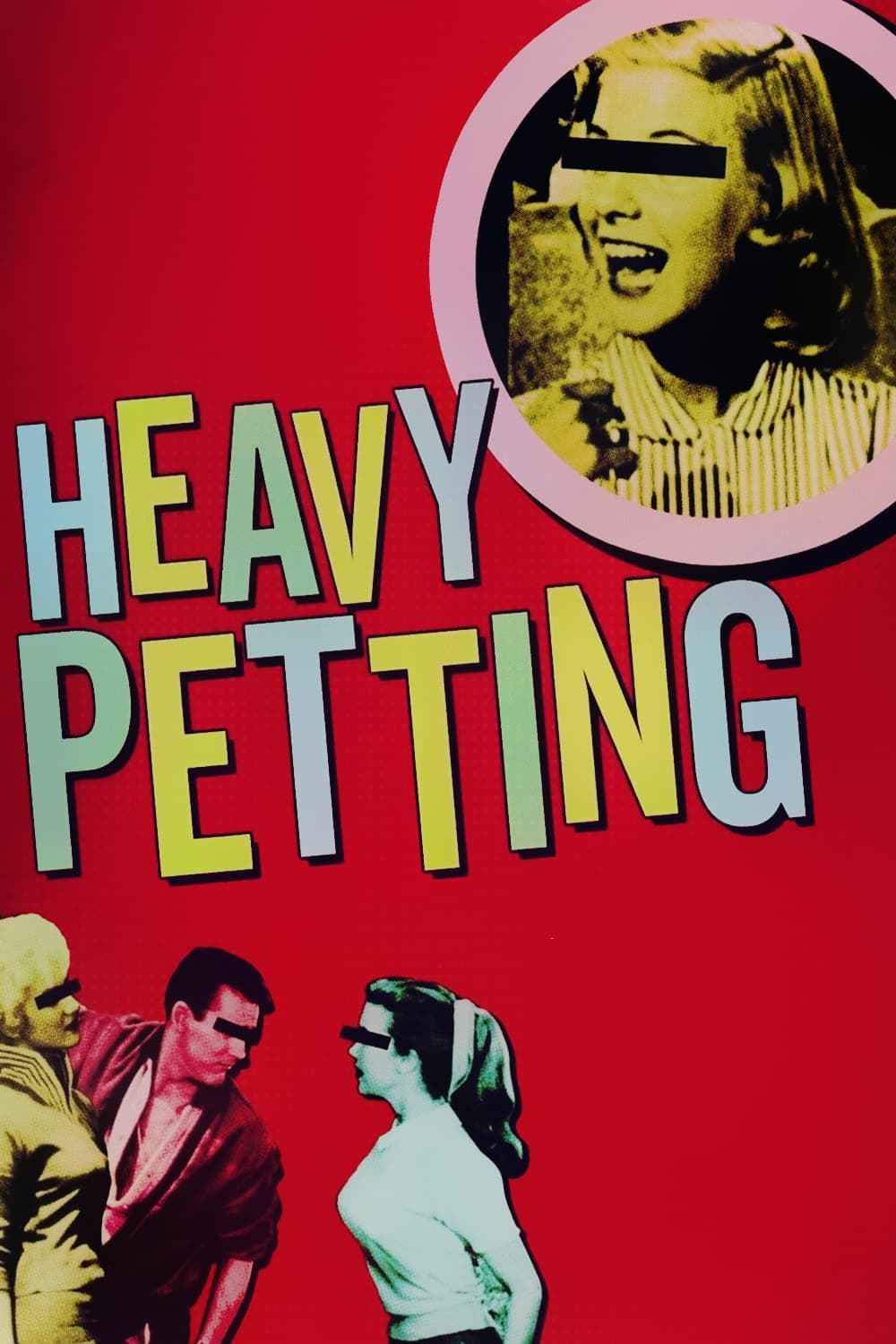
A documentary exploring 1950s American youth culture, sexual awareness, and media influence through archival footage and interviews.
Story Structure — 4 Plot Phases
Historical Foundations
The documentary opens with archival newsreels establishing the 1950s American backdrop. It introduces youth culture and initial curiosity about the opposite sex through period footage.
Key Events
Opening Historical Context — Introduces 1950s American youth culture and social backdrop
Location: Archival Footage
Newsreel Screening — Period news footage establishes the era's visual tone
Location: Historical Settings
Youth Interest Exploration — Examines early romantic curiosity among teenagers
Location: Documentary Set
Sexual Awareness Discussion — Initial interviews address changing attitudes toward intimacy
Location: Interview Studio
Media Influence Analysis — Explores how mass media shaped public sexual views
Location: Archival Footage
Actor Interview Segment — Early celebrities share personal perspectives on the era
Location: Interview Studio
Evolving Perspectives
Interview segments begin as early actors and future celebrities share personal reflections. The narrative shifts toward analyzing how media and peer groups shaped sexual awareness.
Key Events
Actor Interview Segment — Early celebrities share personal perspectives on the era
Location: Interview Studio
Transition to Later Decades — Shifts focus to evolving social norms over time
Location: Documentary Set
Peer Interaction Footage — Shows social dynamics and group behaviors of the era
Location: Historical Settings
Directorial Style Introduction — Highlights the documentary's unique filming techniques
Location: Documentary Set
Cultural Shift Revelation — Marks the midpoint thematic pivot in societal attitudes
Location: Archival Footage
Future Star Interviews — Prominent figures reflect on their past experiences
Location: Interview Studio
Cultural Confrontation
The film intensifies by highlighting generational clashes and shifting social norms. Visual comparisons and deeper thematic explorations push the documentary toward its emotional peak.
Key Events
Future Star Interviews — Prominent figures reflect on their past experiences
Location: Interview Studio
Social Norm Confrontation — Highlights generational clashes over changing values
Location: Historical Settings
Visual Style Comparison — Draws parallels to later cinematic works
Location: Documentary Set
Deepening Thematic Exploration — Explores complex and nuanced views on intimacy
Location: Interview Studio
Production Insight Segment — Discusses specific filmmaking and editing choices
Location: Documentary Set
Climax of Historical Reflection — Reaches peak emotional and thematic intensity
Location: Archival Footage
Legacy and Resolution
Directorial commentary and societal impact assessments wrap up the historical narrative. The documentary concludes by reflecting on the long term cultural legacy of the era.
Key Events
Climax of Historical Reflection — Reaches peak emotional and thematic intensity
Location: Archival Footage
Directorial Commentary Peak — Directors explain the core vision and message
Location: Documentary Set
Societal Impact Assessment — Evaluates long term cultural effects of the era
Location: Historical Settings
Narrative Resolution — Wraps up the historical narrative and themes
Location: Documentary Set
Final Documentary Credits — Concludes with closing remarks and acknowledgments
Location: Documentary Set
Story Breakdown
Historical Context — Establishes the 1950s American backdrop and introduces youth culture through period footage.
1950s Youth Culture — Examines social norms and daily life of teenagers in the era.
Archival Newsreel Usage — Utilizes period news footage to ground the narrative in reality.
Visual Methodology — Details the documentary's unique filming techniques and stylistic choices.
Documentary Filming Style — Employs a hybrid approach blending interviews with archival material.
Cinematic Comparisons — Draws parallels to later films to highlight stylistic evolution.
Interview Subjects — Features reflections from individuals who lived through or observed the era.
Early Actor Perspectives — Provides firsthand accounts from performers active in the 1950s.
Future Celebrity Insights — Offers retrospective commentary from figures who gained prominence later.
Thematic Exploration — Delves into the core subjects of sexual awareness and media impact.
Sexual Awareness Evolution — Tracks changing attitudes toward intimacy and relationships over time.
Media Influence Analysis — Investigates how mass media shaped public perceptions and behaviors.
Production Details — Covers the creative and technical decisions behind the documentary.
Directorial Vision — Explains the filmmakers' intent to document cultural shifts authentically.
Editing and Structure — Details how archival clips and interviews are woven together.
Cultural Impact — Assesses the documentary's relevance and the era's lasting legacy.
Societal Norm Shifts — Highlights how generational clashes transformed public discourse.
Long Term Legacy — Evaluates the enduring influence of 1950s youth culture on modern media.
Celebrities and creatives -- including musician David Byrne, performance artist Spalding Gray, comedian Sandra Bernhard, radical activist Abbie Hoffman, and poet Allen Ginsberg-- recall their earliest sexual experiences.