Plot Analysis Summary
A semi-documentary exploration blending creator interviews, historical events, and animated franchise clips.
Story Structure — 4 Plot Phases
Documentary Premiere & Format
The film opens with its 1976 Paris cinema premiere, establishing a semi-documentary hybrid style. It immediately introduces the structural framework blending interviews, historical footage, and animation.
Key Events
-
Paris Cinema Premiere — Film debuts as feature presentation in 1976.
Location: Paris Cinema
-
Semi-documentary Format — Establishes hybrid documentary and animation style.
Location: Studio
-
Hergé Interview Setup — Introduces interviews with Tintin creator Hergé.
Location: Interview Room
-
Historical Context Blend — Merges creator interviews with real historical events.
Location: Archival Space
-
News Stories Integration — Incorporates contemporary news stories into narrative.
Location: Newsroom
-
Animated Clips Introduction — Transitions to animated Adventures of Tintin clips.
Location: Animation Studio
Creator Insights & Historical Context
Interviews with creator Hergé are interwoven with real historical events and news stories. This segment grounds the fictional universe in tangible historical reality.
Key Events
-
Animated Clips Introduction — Transitions to animated Adventures of Tintin clips.
Location: Animation Studio
-
Tintin Adventures Showcase — Showcases classic animated Tintin adventure segments.
Location: Screen
-
Narration Framework — Establishes continuous narration structure.
Location: Voiceover Booth
-
Valet Correspondent Role — Belgian news correspondent Gérard Valet provides narration.
Location: Broadcast Studio
-
Belvision Studios Credit — Highlights Belvision Studios as primary producer.
Location: Production Office
-
Pierre Films Collaboration — Details partnership with Pierre Films for production.
Location: Co-production Hub
Animation Showcase & Narration
Animated Adventures of Tintin clips are presented alongside continuous narration by correspondent Gérard Valet. The pacing balances archival footage with dynamic visual sequences.
Key Events
-
Pierre Films Collaboration — Details partnership with Pierre Films for production.
Location: Co-production Hub
-
Ministry of Culture Support — Secures backing from Franco-Belgian Ministry of Culture.
Location: Government Office
-
Franco-Belgian Alliance — Emphasizes international cultural cooperation framework.
Location: Cultural Institution
-
Archival Footage Editing — Processes historical and news footage for integration.
Location: Editing Suite
-
Visual Style Transitions — Blends live-action interviews with animated sequences.
Location: Post-production Lab
-
Narrative Pacing Structure — Adjusts pacing to balance documentary and animation.
Location: Director's Desk
Production Legacy & Cultural Impact
The final phase details the collaborative production by Belvision Studios and Pierre Films, backed by the Franco-Belgian Ministry of Culture. It concludes with the film's archival preservation and cultural significance.
Key Events
-
Narrative Pacing Structure — Adjusts pacing to balance documentary and animation.
Location: Director's Desk
-
Cross-Media Storytelling — Demonstrates innovative cross-media narrative techniques.
Location: Media Archive
-
Final Presentation Assembly — Compiles all segments into cohesive feature presentation.
Location: Mastering Room
-
Audience Reception Context — Documents initial audience and critical response.
Location: Cinema Hall
-
Cultural Legacy Preservation — Secures film as enduring cultural and historical artifact.
Location: Film Archive
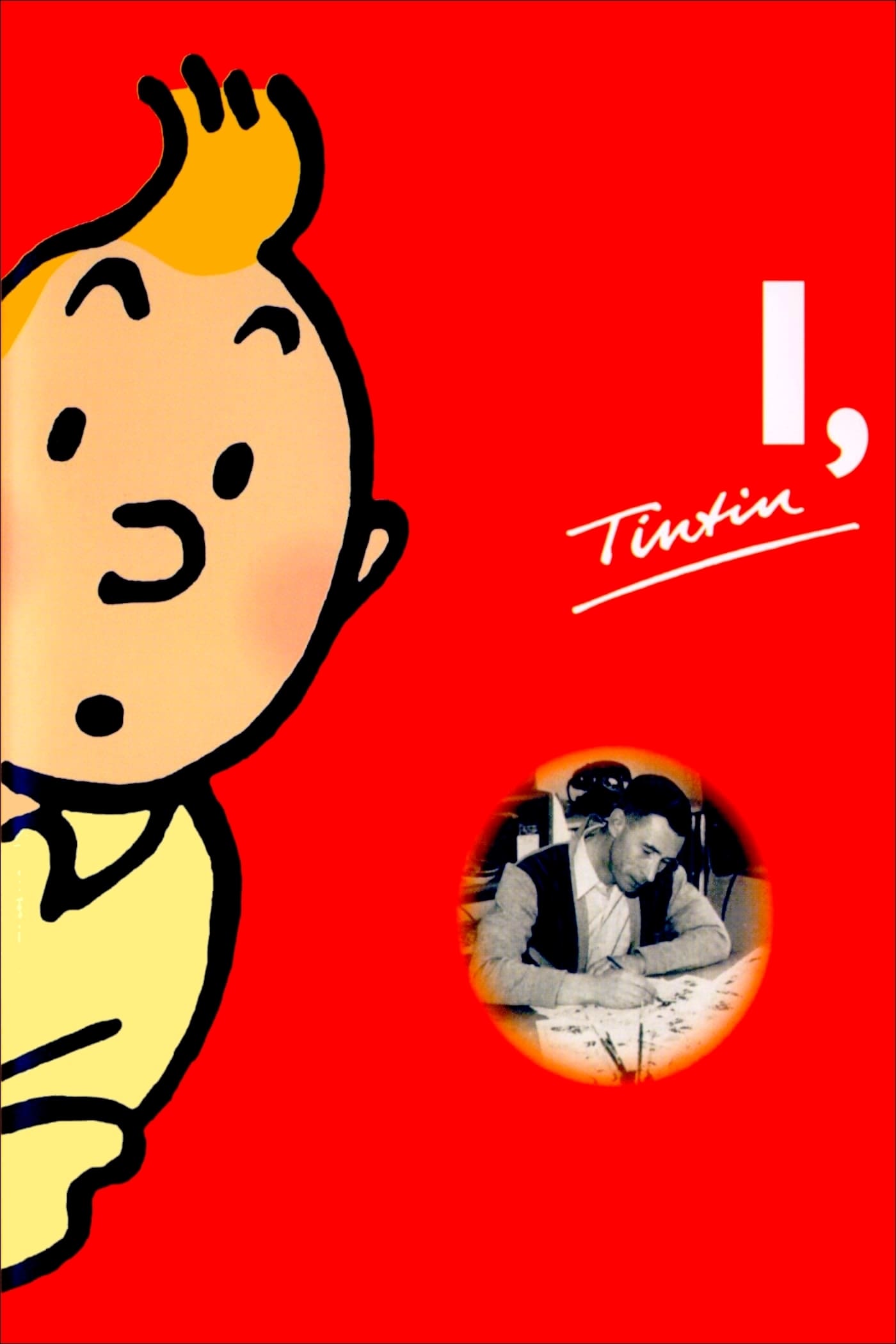
The adventures of Hergé, or how Georges Remi created The Adventures of Tintin. Interviews, archive footage and animation clips tell the story of Tintin, which is the history of the 20th century.