Story Structure — 5 Plot Phases
Discovering the Power of MAD
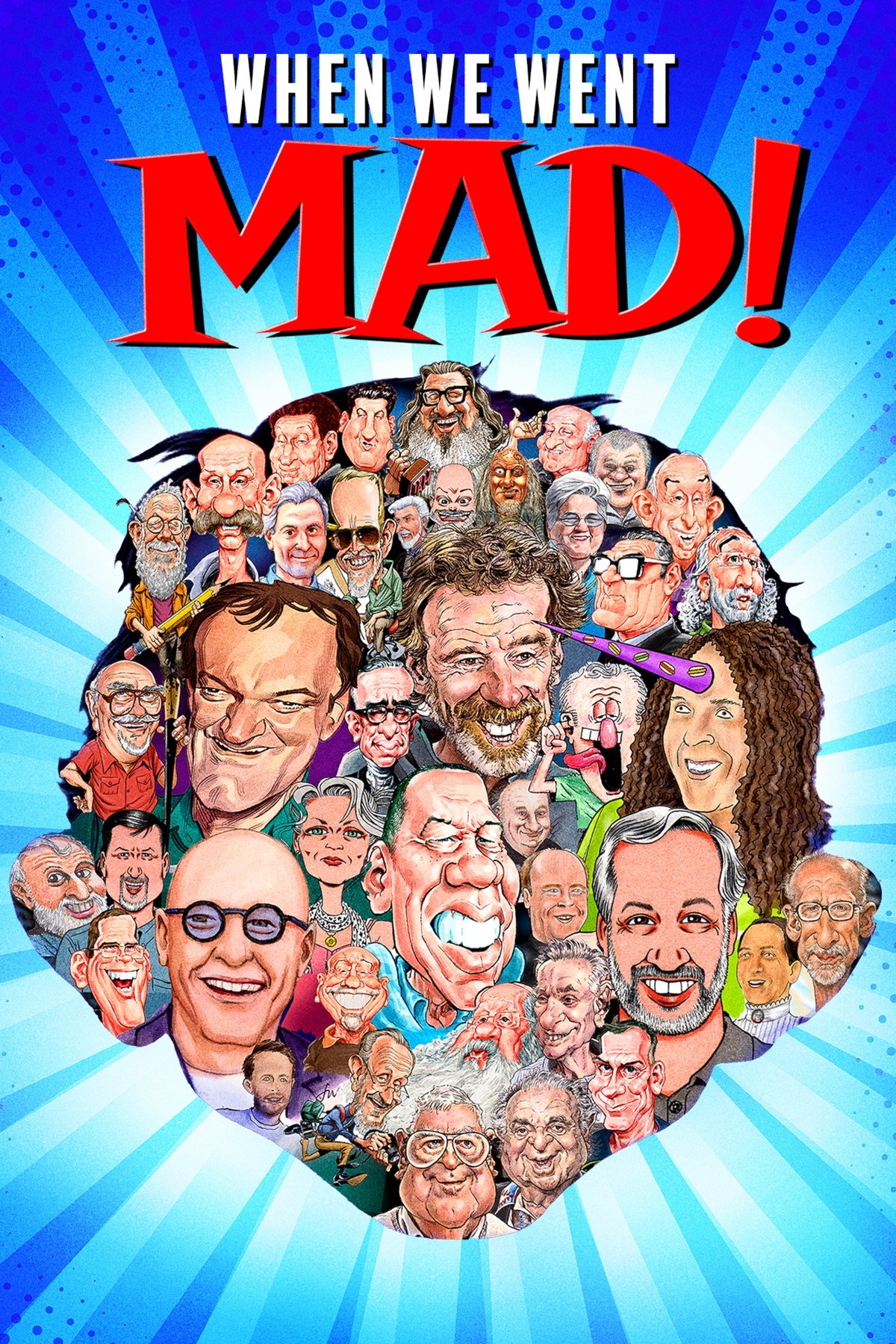
The documentary introduces MAD and explores why its irreverent humor mattered to readers. Some young readers hid issues from parents, while contributors regarded its rebelliousness as part of its purpose.
Key Events
-
The Film Asks Why MAD Mattered — The documentary introduces MAD and asks why the magazine mattered.
Location: Documentary presentation
-
Readers Discover Irreverent Humor — Readers describe encountering a kind of comedy they had not found elsewhere.
Location: Documentary interviews
-
Young Readers Hide Issues — Some young readers hid their issues from parents who considered the magazine a bad influence.
Location: Readers' homes
-
Satire Challenges Authority — The film presents MAD's irreverence toward authority as a defining part of its purpose.
Location: Documentary interviews and archival material
Satire Against the Culture
The film traces MAD's parodies of entertainment, advertising, and politics. It also describes jokes about social issues and the way satire encouraged readers to question public claims.
Key Events
-
Popular Culture Becomes Satire — MAD's parodies of television, movies, and advertising are shown as part of its influence.
Location: Documentary presentation
-
Political Jokes Target Every Side — The magazine's writers and artists aimed jokes across political lines and at public figures.
Location: Documentary presentation
-
Social Problems Enter the Satire — The film describes humor addressing war, poverty, pollution, and gender roles.
Location: Documentary presentation
-
Readers Question Public Claims — Interviewees recall that MAD encouraged young readers to question news, government, and society.
Location: Documentary interviews
Influence and Acceptance
The documentary connects MAD's place in American satire to later comedy. As the magazine becomes more accepted, interviewees consider how its relationship with parents and teachers has changed.
Key Events
-
Readers Question Public Claims — Interviewees recall that MAD encouraged young readers to question news, government, and society.
Location: Documentary interviews
-
MAD's Influence Spreads — The film connects MAD's place in American satire with later comedy.
Location: Documentary presentation
-
Adult Approval Changes the Rebellion — The magazine's rebellious relationship with parents and teachers changes as it gains acceptance.
Location: Documentary interviews
-
Contributors Question Its Edge — Some contributors worry that adult approval softened MAD's subversive edge.
Location: Documentary interviews
Debating the Magazine's Future
Contributors discuss concerns that approval may have softened MAD's edge and reflect on its limits and newer competition. The film also examines disagreements about how the publication should change and be managed.
Key Events
-
Contributors Question Its Edge — Some contributors worry that adult approval softened MAD's subversive edge.
Location: Documentary interviews
-
New Publications Raise Competition — Interviewees reflect on MAD's limits and competition with newer, edgier publications.
Location: Documentary interviews
-
Debate Over Change and Management — The documentary examines tensions about how the magazine should change and be run.
Location: Documentary interviews
A Change in Editorial Leadership
The longtime editor steps aside, and two co-editors with different strengths and working styles take over. The documentary ends with the question of how MAD can adapt while preserving its distinctive voice.
Key Events
-
Longtime Editor Steps Aside — The longtime editor steps aside, setting up a change in editorial leadership.
Location: Documentary presentation
-
Two Co-Editors Take Over — Two co-editors with different strengths and working styles take over as the film closes on MAD's future.
Location: Documentary presentation