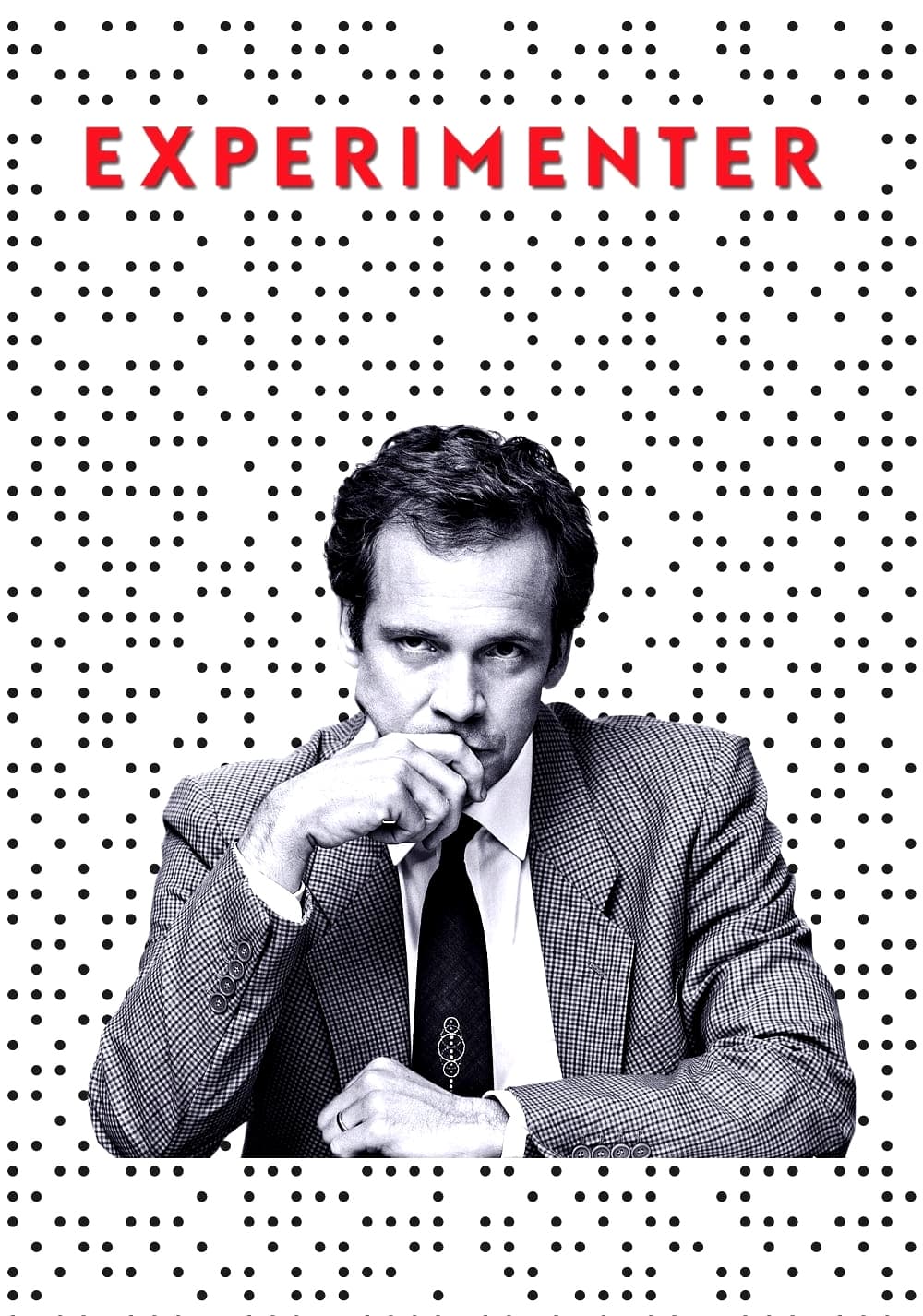
Plot Analysis Summary
Stanley Milgram's career examines obedience, social pressure, ethical controversy, and the persistence of research after his death.
Story Structure — 5 Plot Phases
Obedience Under Pressure
Stanley Milgram conducts radical obedience experiments at Yale University. Test subjects repeatedly administer shocks to a stranger despite pleas to stop.
Key Events
-
Milgram Introduced — The film introduces Milgram and his social psychology research. Characters: Stanley Milgram
Location: Yale University
-
Authority Experiment Begins — Milgram begins testing obedience to an authority figure. Characters: Stanley Milgram
Location: Yale University
-
Shock Procedure Explained — The experiment requires subjects to administer electric shocks. Characters: Stanley Milgram
Location: Yale University
-
Subjects Obey Authority — Nearly every test subject continues despite a stranger's pleas. Characters: Stanley Milgram
Location: Yale University
-
Distress Behind Experiment — The experiment exposes the disturbing pressure of authority. Characters: Stanley Milgram
Location: Yale University
Love Between Experiments
Between the experiments, Stanley meets Alexandra, known as Sasha. Their relationship develops into marriage and family life.
Key Events
-
Stanley Meets Sasha — Stanley meets Sasha between the experiments. Characters: Stanley Milgram, Alexandra "Sasha" Milgram
Location: New York City
-
Marriage and Family — Sasha becomes Stanley's wife and mother of two children. Characters: Stanley Milgram, Alexandra "Sasha" Milgram
Location: New York City
The Ethics Debate
Public outcry challenges the ethics of Milgram's experiments. He advances professionally and becomes a professor in New York City.
Key Events
-
Public Outcry Emerges — The ethics of the obedience experiments provoke public criticism. Characters: Stanley Milgram
Location: New York City
-
Career Moves Forward — Milgram's career advances as he becomes a professor in New York City. Characters: Stanley Milgram
Location: New York City
-
Small World Study — Milgram continues studying social interaction through the small-world experiment. Characters: Stanley Milgram
Location: New York City
Social Life In The City
Milgram studies social interaction through small-world, lost-letter, street-corner, and familiar-stranger experiments. He also has students conduct research.
Key Events
-
Lost Letter Study — The lost-letter experiment examines social behavior outside the laboratory. Characters: Stanley Milgram
Location: New York City
-
Street Corner Experiment — Milgram studies how people respond to collective looking in public. Characters: Stanley Milgram
Location: A New York City street corner
-
Familiar Stranger Study — Milgram investigates the social pattern of familiar strangers. Characters: Stanley Milgram
Location: New York City
-
Students Conduct Studies — Milgram has his students carry out various social experiments. Characters: Stanley Milgram
Location: New York City
-
Archives Frame the Story — Recorded material repeatedly appears as footage Milgram watches or as scene backdrops. Characters: Stanley Milgram
Location: New York City
The Experiment Endures
Milgram's work continues until his death from a heart attack at age 51. A present-day street-corner repetition and archival footage extend his legacy beyond the narrative.
Key Events
-
Research Continues — Stanley's work continues while his family life remains part of the story. Characters: Stanley Milgram, Alexandra "Sasha" Milgram
Location: New York City
-
Career Reaches Final Years — Milgram continues studying social pressure until the end of his life. Characters: Stanley Milgram
Location: New York City
-
Milgram Dies — The plot states that Milgram dies of a heart attack at age 51. Characters: Stanley Milgram
Location: New York City
-
Experiment Repeated Today — The street-corner experiment is repeated in the present day with Sasha's cameo. Characters: Alexandra "Sasha" Milgram
Location: A street corner
-
Mid-Credits Archives — Additional archival footage appears during the mid-credits scene. Characters: Stanley Milgram
Location: Archive footage